
The Secrets of Ocean Exploration: How We Study the Deep Sea
From Submersibles to Sonar: Discovering the Ocean's Hidden Secrets

Did you know that the ocean covers more than 70% of our planet’s surface, yet we have explored less than 20%? The deep sea is one of the last frontiers on Earth, filled with mysteries and wonders waiting to be discovered. But how do we study these vast underwater realms? Let’s dive into the fascinating technologies and methods scientists use to explore the deep sea.
Exploring the deep sea is no easy feat. With crushing pressure, frigid temperatures, and complete darkness, it’s a harsh environment for both humans and machines. These challenges require innovative technologies and specialized equipment to ensure safe and effective exploration.

Submersibles: Our Windows to the Deep
Submersibles are specially designed vehicles that allow scientists to descend into the ocean's depths. Equipped with powerful lights and cameras, these underwater craft can capture stunning images of marine life and geological features. Notable submersibles like Alvin and Deepsea Challenger have made groundbreaking discoveries, including the Titanic wreck and unique hydrothermal vents. With their ability to operate at extreme depths, submersibles provide invaluable data about the ocean’s mysteries.

ROVs (Remotely Operated Vehicles): Eyes Underwater
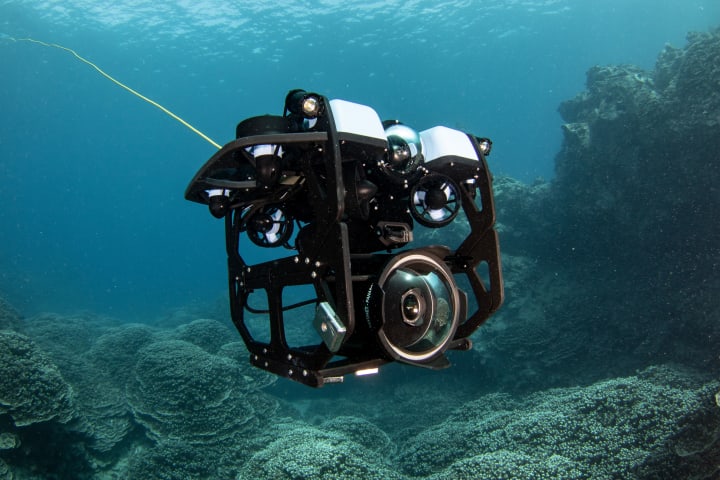
ROVs are unmanned, remotely operated vehicles controlled from a ship’s surface. They are equipped with cameras, sensors, and robotic arms, allowing scientists to conduct research without the risks associated with human presence at great depths. ROVs have explored shipwrecks, coral reefs, and underwater volcanoes, capturing detailed footage and collecting samples. Their flexibility and safety make them essential tools for oceanographers.


Sonar Mapping: Charting the Ocean Floor
Sonar (Sound Navigation and Ranging) is a key technology in ocean exploration. Scientists can create detailed maps of the ocean floor by sending sound waves into the water. This method reveals underwater features like mountains, valleys, and even shipwrecks. Multibeam sonar systems can capture high-resolution images, providing insights into habitats and geological formations that are otherwise hidden.
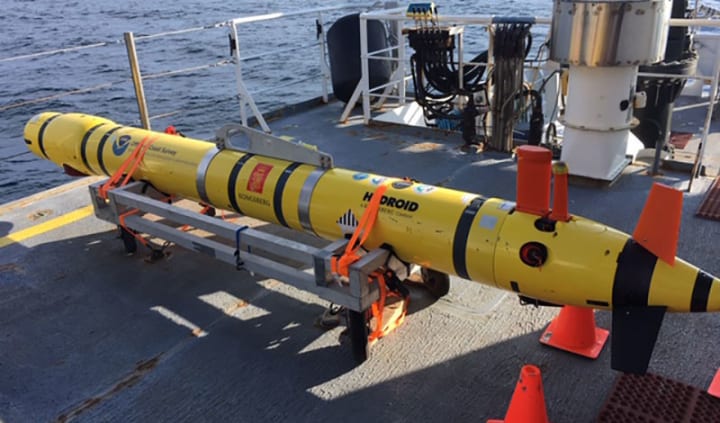
Autonomous Underwater Vehicles (AUVs): Exploring the Unknown
AUVs are uncrewed, programmable robots that can operate independently in the ocean. These vehicles are equipped with advanced sensors to gather temperature, salinity, and marine life data. AUVs can travel long distances and reach depths difficult for humans or ROVs to access. They are especially useful for mapping large areas and conducting environmental assessments.

Ocean Buoys: Gathering Data from the Surface
While much of our attention is on the depths, the ocean's surface is crucial in understanding ocean dynamics. Ocean buoys are floating devices with sensors to monitor surface temperature, wave height, and currents. These buoys collect vital data for weather forecasting, climate research, and navigation safety. Some buoys can transmit real-time data to researchers, providing a comprehensive view of oceanic conditions.
Advanced Technologies: The Future of Ocean Exploration
Innovations such as machine learning and robotics are revolutionizing ocean exploration. By analyzing analyze vast amounts of data, these technologies help scientists identify patterns and make predictions about marine ecosystems. Additionally, advancements in sensing technology enable real-time monitoring of ocean conditions, aiding in conserving marine environments.
The Path Ahead: Protecting Our Ocean's Secrets
Thanks to the incredible technologies and methods at our disposal, the secrets of the deep sea are gradually being uncovered. As we continue to explore this uncharted territory, we gain valuable insights into our planet’s health and the mysteries of marine life. From understanding the intricate relationships within underwater ecosystems to uncovering new species, every expedition brings us closer to the truth about our oceans.
Moreover, as climate change poses unprecedented challenges, studying the deep sea becomes even more crucial. It allows us to monitor the health of marine ecosystems and understand how human activity affects them. We can protect these vital habitats for future generations with continued investment in exploration technologies and scientific research. Who knows what astonishing discoveries await us in the depths of the ocean? What fascinates you most about the deep sea? Share your thoughts in the comments below.
About the Creator
Medicinal herbs of the Carpathians
According to popular beliefs, the Carpathians are considered a healing "place of power" and there is no mysticism in this. Air with a unique composition and medicinal Carpathian herbs can work real miracles. Since ancient times, the Hutsuls have used them to treat various diseases. Today, herbal medicine in the Carpathians is experiencing its revival, attracting more and more attention from both locals and tourists.
By Olaf Podolski5 days ago in Earth
Harnessing Pyrolysis for Forest Fire Mitigation
Forest ecosystems face increasing wildfire risks due to climate change, prolonged drought, and human activity. Traditional fire prevention methods, including controlled burns and mechanical thinning, have proven partially effective but carry limitations in scalability and environmental impact. Integrating pyrolysis-based strategies presents an innovative pathway to reduce combustible biomass while generating valuable by-products, aligning ecological stewardship with economic utility.
By Wayne Shen5 days ago in Earth


Comments
There are no comments for this story
Be the first to respond and start the conversation.