
The Mysterious Bermuda Triangle: Fact or Fiction?
Unveiling the Secrets of the Bermuda Triangle: Myths, Theories, and the Real Truth Behind the Mystery
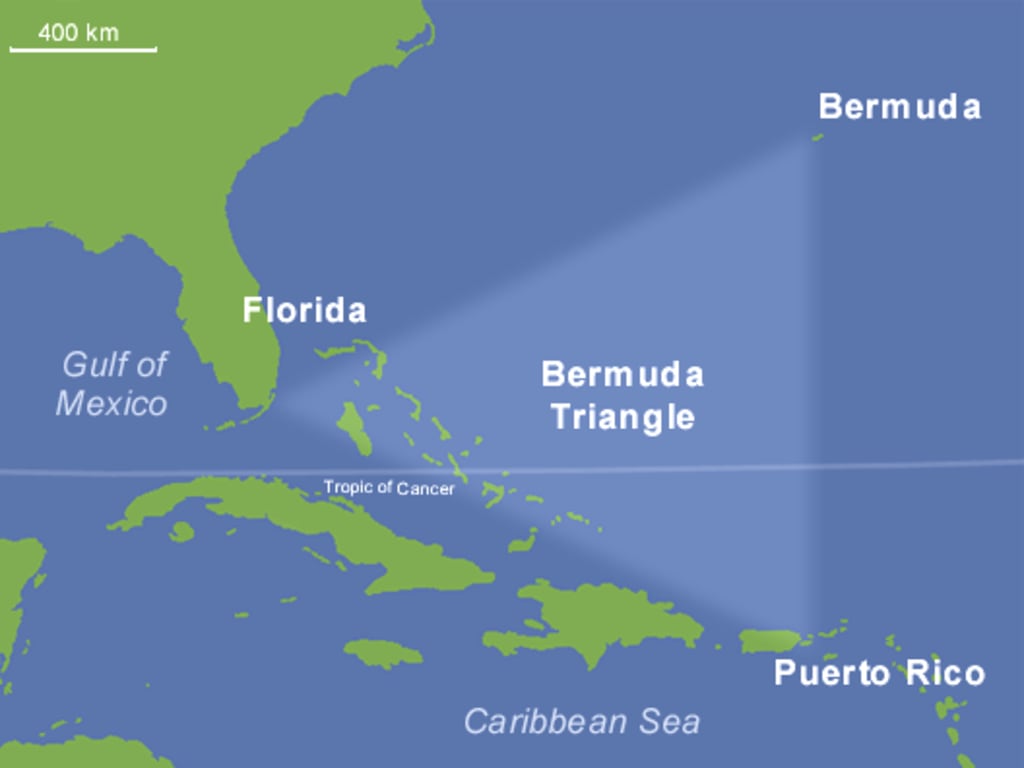
For more than a century, the Bermuda Triangle has sparked fascination, speculation, and mystery. This vast expanse of ocean, stretching between the points of Miami, Bermuda, and Puerto Rico, has captured the world's imagination with stories of mysterious disappearances of ships, planes, and crew members. It's a place where ordinary laws of nature appear to fail, where ships vanish without a trace, and where questions outnumber answers.
But is the Bermuda Triangle truly a paranormal hotspot, or is it just a myth created by sensationalized stories and the human desire to see patterns in chaos? Let's delve into the Bermuda Triangle mystery, deciphering the facts from fiction and discovering the truth behind one of the world's most enduring mysteries.
The Legends Begin
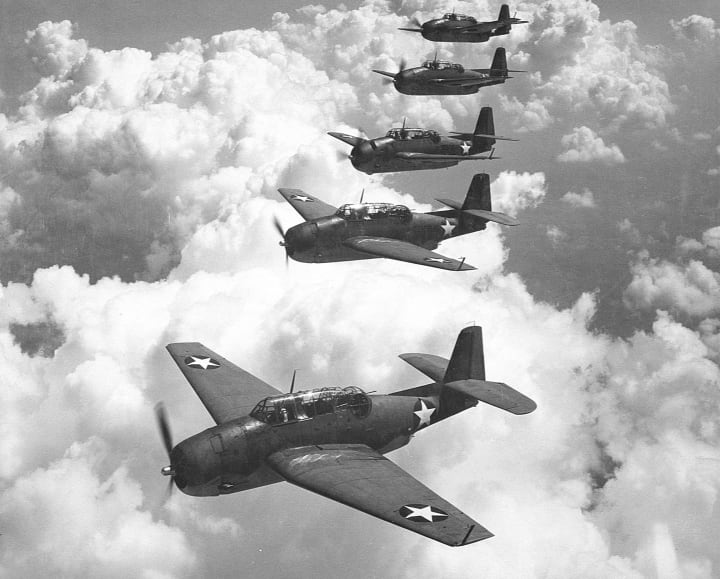
The Bermuda Triangle first became widely known in the mid-twentieth century when high-profile disappearances piqued public interest. One of the most well-known incidents involved Flight 19, a group of five United States Navy bombers that vanished during a training flight in 1945. Despite clear skies and experienced pilots, the planes and their 14 crew members went missing off the coast of Florida. The rescue plane that went to find them also vanished, adding to the mystery.
Theories circulated, and over the next few decades, writers and researchers began compiling a list of mysterious incidents within the triangle. Ships and aircraft reportedly vanished without sending distress signals, leaving no wreckage, survivors, or explanations. Books, articles, and documentaries abound, each offering their own interpretation of the strange occurrences within the triangle's confines.
Charles Berlitz's book The Bermuda Triangle, published in the 1970s, helped to popularize the legend. Berlitz speculated that supernatural forces were at work, possibly linked to the lost city of Atlantis. The public was captivated, and the Bermuda Triangle became synonymous with unsolved mysteries, fueling curiosity worldwide.
Theories and Explanations: Supernatural or Scientific?
Several theories have been proposed to explain the disappearances in the Bermuda Triangle. Some speculate on extraterrestrial involvement, claiming that UFOs may have abducted ships and planes. Others believe that time warps or portals to other dimensions could swallow vessels whole and transport them to unknown destinations.
While these theories make for exciting stories, scientists and researchers have generally dismissed such fantastic explanations. Instead, they propose more plausible—and significantly less supernatural—explanations for the Triangle's mystery.
- Human Error and Natural Phenomena: One of the most basic explanations for the Bermuda Triangle's mysteries is human error. The region is a busy shipping and air traffic lane, and accidents are common in such areas. Navigation errors, particularly in the early twentieth century before modern technology, could have easily resulted in vessels becoming lost. Furthermore, the weather in the area is notoriously unpredictable. The Bermuda Triangle is a hurricane-prone area, and unexpected, violent storms can catch even experienced mariners and pilots off guard. With strong ocean currents and shallow waters in the Caribbean Sea, ships can easily capsize or sink without leaving any trace.
- Methane Gas Explosions: One scientific theory proposes that large concentrations of methane gas exist beneath the ocean floor in the Bermuda Triangle. If these methane deposits are disturbed, massive gas bubbles may rise to the surface, reducing water density and causing ships to sink quickly. Planes flying overhead may also be affected, as methane gas explosions in the atmosphere can cause engines to stall or ignite, resulting in crashes.
- Magnetic Anomalies: Another theory suggests that magnetic anomalies in the area could interfere with navigational instruments, causing ships and planes to deviate from course. The Bermuda Triangle is near one of the Earth's magnetic poles, and compasses occasionally point to "true north" rather than "magnetic north." This phenomenon, called compass variation, can cause disorientation and navigational errors, particularly for inexperienced pilots or sailors.
- Rogue Waves: Recent research suggests that the Bermuda Triangle may be home to rogue waves—large, unpredictable waves that can reach heights of up to 100 feet. These waves can form suddenly and without warning, engulfing ships and sinking them almost immediately. Rogue waves are now recognized as a real and significant threat to vessels at sea, which could account for some of the Triangle's maritime disappearances.
Busting the Myth: The Truth About the Bermuda Triangle
While stories about missing ships and planes make for interesting reading, the reality is far less mysterious. In fact, extensive research has been conducted on the Bermuda Triangle, and the results indicate nothing particularly unusual about the region. Statistically, the number of disappearances in the Bermuda Triangle is no higher than in any other heavily trafficked area of the world's oceans.
The United States Coast Guard and the National Oceanic and Atmospheric Administration (NOAA) both say the Bermuda Triangle is not a danger zone. The United States Navy has never recognized the area as a real hazard, and many of the disappearances commonly attributed to the Triangle have been explained by natural causes or human error.
One key factor contributing to the Bermuda Triangle's mystique is the media's tendency to sensationalize incidents. In many cases, disappearances reported as unexplained were later discovered to have clear, logical explanations—though these explanations rarely receive the same level of media attention as the original reports.
For example, Flight 19, which helped popularize the Bermuda Triangle legend, most likely crashed due to navigational errors and fuel exhaustion. Despite the tragic outcome, it was not caused by supernatural forces.
The Allure of Mystery
Despite scientific explanations, the Bermuda Triangle captures the public's imagination. Something about the unknown, the notion that forces are at work beyond our comprehension, appeals to our sense of wonder. In a world where so much is explained by science, the Bermuda Triangle is one of the few places where people still believe in the fantastic.
Perhaps the true mystery of the Bermuda Triangle is not the disappearances themselves but our ongoing fascination with the unknown. Why are we drawn to stories about mystery and intrigue? What is it about the Bermuda Triangle that has kept it at the forefront of popular culture for so long?
The answers to these questions may be found not in the waters of the Triangle but in the human psyche. As long as people seek adventure and the unknown, the Bermuda Triangle will remain a place where fact and fiction collide, the imagination can run wild, and mystery reigns supreme.
Conclusion: Fact or Fiction?
Legend, rather than fact, governs the Bermuda Triangle. There have been cases of ships and planes going missing in the area, but that's true of many ocean regions around the globe. Most incidents attributed to the Triangle can be explained by natural phenomena, human error, or plain old bad luck.
Nevertheless, the Bermuda Triangle's mystique will perpetually persist due to the irresistible pull of the unknown. Regardless of its veracity, the story is captivating and reminds us that mysteries persist even in our contemporary scientific society. What do you think—fact or fiction? Share your thoughts on the Bermuda Triangle mystery in the comments below!
About the Creator
Are Banks Open on Martin Luther King Jr. Day?
Introduction Martin Luther King Jr. Day, also called MLK Day, is a national holiday in the United States. Many people enjoy a day off from work or school on this day. However, a common question people ask is: Are banks open on MLK Day?
By Farhan Sayed5 days ago in History
How Case Documents Are Maintained in Philadelphia County
Case documentation forms the backbone of judicial accountability in Philadelphia County. Every filing, order, transcript, and judgment plays a defined role in preserving procedural accuracy and historical reference. The methods used to preserve these materials reflect long-standing legal standards combined with structured administrative practice. This article explains how case documents are created, organized, stored, reviewed, and preserved within Philadelphia County, with a clear focus on factual processes rather than commentary or promotion.
By Owen Perry6 days ago in History




Comments
There are no comments for this story
Be the first to respond and start the conversation.