
The Right Plant, Right Place: The First Rule of a Thriving Garden
How many times have you fallen in love with a plant at the nursery, brought it home, and planted it in a spot you thought was perfect—only to watch it struggle, fail to bloom, or die? This common frustration usually stems from breaking the most fundamental rule in gardening: Right Plant, Right Place.

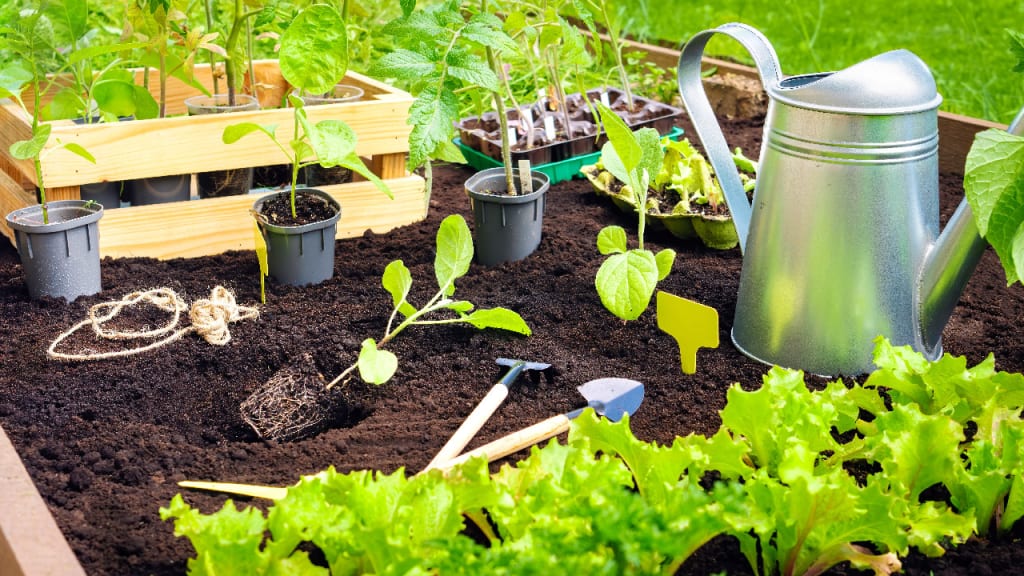
This principle is the cornerstone of sustainable, low-maintenance, and thriving gardens. It means choosing plants that are naturally adapted to the specific conditions of your garden, rather than constantly battling to change your garden to suit the plants. When you follow this rule, you work with nature, not against it, leading to a healthier ecosystem and more time enjoying your garden rather than nursing it.
The Five Pillars of "Right Place"
To implement this rule, you must become a detective in your own garden. Success depends on honestly assessing five key environmental factors.
1. Light: The Non-Negotiable Fuel
Light is the most critical factor. The terms "full sun," "part shade," and "full shade" are specific, not suggestions.
- Full Sun means at least 6-8 hours of direct, unfiltered sunlight. Most flowering perennials, vegetables, and herbs need this.
- Part Shade/Part Sun typically means 3-6 hours of direct sun, preferably morning sun which is less intense. Many plants that "burn" in hot afternoon sun thrive here.
- Full Shade means less than 3 hours of direct sun, with bright, indirect light for the rest of the day. Think hostas, ferns, and coral bells.
Action: Map your garden's light patterns throughout a full day during the growing season. Note where the sun hits and for how long.
2. Soil: The Foundation of Life
Soil is more than just dirt; it's a living ecosystem. Its texture, pH, and drainage determine what will prosper.
- Texture & Drainage: Is your soil heavy clay (retains water), sandy (drains quickly), or loamy (ideal)? Dig a hole and fill it with water. If it drains in minutes, it's sandy. If it takes hours, it's clay.
- pH (Acidity/Alkalinity): This affects nutrient availability. Simple test kits from a garden center can tell you if your soil is acidic (good for blueberries, rhododendrons), neutral, or alkaline.
Action: Get a soil test. It’s the single best investment for your garden. It tells you exactly what you’re working with and how to amend it—or better yet, which plants naturally love it.
3. Water: The Consistent Rhythm
How much natural moisture does an area receive? Group plants with similar water needs together (a concept called hydrozoning).
- Wet Areas: Low spots or downspout locations suit moisture-loving plants like astilbe or iris.
- Dry Areas: Sunny, sandy slopes are perfect for drought-tolerant natives, succulents, and Mediterranean herbs like lavender and rosemary.
Action: Observe after a rain. Where do puddles form? Where does the soil dry out first? This reveals your garden's natural hydration map.
4. Climate & Microclimate: Your Garden's Personality
Your USDA Hardiness Zone tells you which plants can survive your winter lows. But don't forget microclimates—small areas that differ from the general climate.
- A south-facing wall creates a warm, sheltered pocket (perfect for a tender plant).
- A low, north-facing corner is a cold, frost-prone area (a "frost pocket").
- A windy, exposed ridge will dry out and damage plants not suited to it.
Action: Pay attention to where frost lingers, where snow melts first, and which spots are windiest. These are your microclimates.
5. Space & Purpose: The Practical Reality
Finally, consider the plant's ultimate size and your goal for the space.
- Mature Size: That cute sapling can become a giant tree, blocking light, disrupting foundations, or crowding other plants. Always plant for the mature size.
- Function: Do you need a privacy screen, a groundcover to prevent erosion, a pollinator buffet, or a child-safe play area? Let function guide your plant choices.
Putting It Into Practice: A Zoning Guide
Use this table to analyze a spot in your garden and choose plants that match.
How to Be a "Right Plant, Right Place" Gardener
- Observe First, Buy Later. Spend a full year observing light, water flow, and microclimates in your garden before major redesigns.
- Research Relentlessly. Before buying, look up a plant's native habitat. A plant from alpine slopes needs sharp drainage; a plant from forest floors needs moist, humus-rich soil.
- Choose Native and Adapted Plants. Plants native to your region are already perfectly tuned to your climate, soil, and pests. They support local wildlife and require far less input.
- Amend the Soil Mindfully. You can modestly improve conditions (like adding compost to enrich poor soil), but it's easier to match the plant to the soil you have than to permanently change your soil's fundamental nature.
- Use Technology as a Tool. When you see an unknown plant thriving in a condition similar to yours, a quick scan with a reliable plant identification app can instantly tell you what it is and its full requirements, helping you make an informed choice for your own garden.
Embracing "Right Plant, Right Place" is liberating. It transforms gardening from a constant struggle into a harmonious collaboration with nature. You'll use less water, fewer fertilizers and pesticides, and spend less time on problematic plants. Your reward will be a resilient, vibrant garden that feels inherently right because it is.
About the Creator
Emma Wallace
Director of Research and Development at AI Plant Finder (Author)
Emma Wallace is an esteemed researcher and developer with a background in botany and data analytics.
Keep reading
More stories from Emma Wallace and writers in Earth and other communities.
The Biophilic Design Assistant: How AI Curates Plants for Specific Room Conditions
You see the stunning images of lush, plant-filled rooms and want that serene, vibrant energy in your own home. Yet, when you try to replicate it, you're met with frustration. The fiddle-leaf fig you placed in your dim bedroom drops leaves. The succulents on your humid bathroom ledge rot. The vision of a thriving indoor jungle collides with the reality of your home's specific, and sometimes challenging, conditions.
By Emma Wallacea day ago in Earth
“Train of Two Storms” Signals a Major Shift in Bay Area Weather
After weeks of relatively dry and stable conditions, the Bay Area is preparing for a noticeable change in weather. Meteorologists are tracking what they describe as a “train of two storms,” a back-to-back weather pattern that could reshape the region’s forecast over the coming days.
By Adil Ali Khan4 days ago in Earth




Comments
There are no comments for this story
Be the first to respond and start the conversation.