
The Biophilic Design Assistant: How AI Curates Plants for Specific Room Conditions
You understand the appeal of biophilic design—the art of connecting our indoor spaces with nature to boost well-being, focus, and creativity.

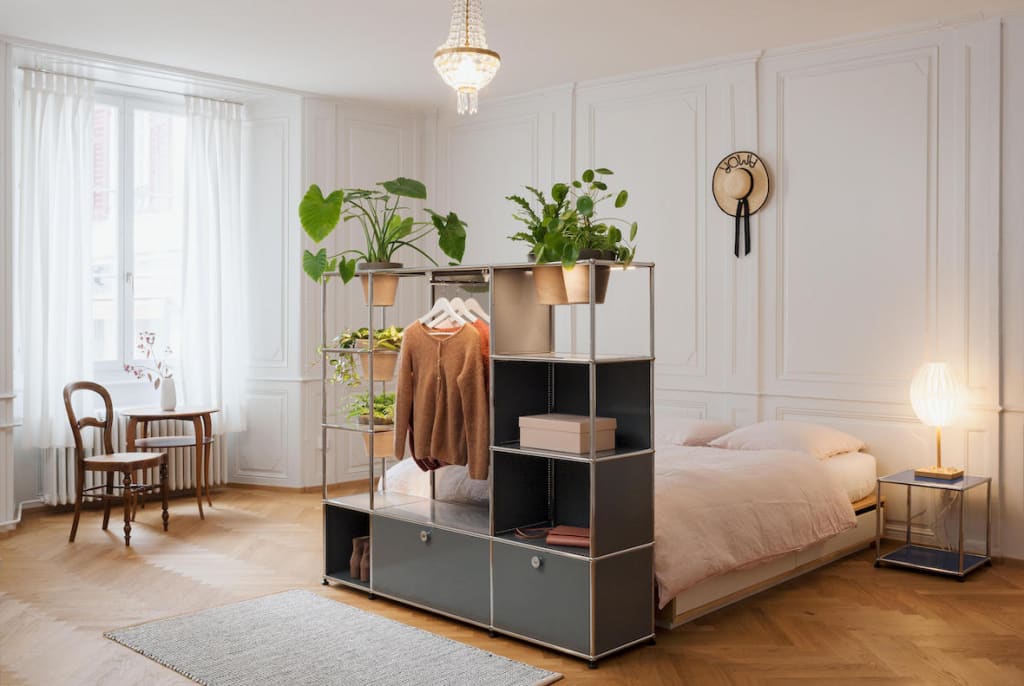
You see the stunning images of lush, plant-filled rooms and want that serene, vibrant energy in your own home. Yet, when you try to replicate it, you're met with frustration. The fiddle-leaf fig you placed in your dim bedroom drops leaves. The succulents on your humid bathroom ledge rot. The vision of a thriving indoor jungle collides with the reality of your home's specific, and sometimes challenging, conditions.
This gap between design aspiration and horticultural reality is where a new wave of technology comes in. Imagine a design assistant that doesn't just suggest pretty plants, but intelligently curates a list of species guaranteed to thrive in your living room, your kitchen, or your home office. This is the promise of AI-powered biophilic design: creating spaces that are not only beautiful but biologically successful.
Biophilic Design: More Than Just Decor
First, it's crucial to understand that biophilic design is a science-backed approach, not just an aesthetic trend. Studies consistently show that incorporating natural elements like plants into interior spaces can:
- Reduce stress and anxiety
- Improve cognitive function and creativity
- Enhance mood and overall sense of well-being
- Purify indoor air
However, for these benefits to last, the design must be sustainable. A dying or struggling plant provides the opposite effect, becoming a source of stress and failure. True biophilic design requires choosing the right natural elements for the right environment.
How AI Becomes Your Design Partner
This is where artificial intelligence moves from being a passive tool to an active design partner. An AI-powered system doesn't work from a static list of "popular plants." Instead, it functions as a dynamic matchmaker, processing a complex matrix of variables to find your perfect plant matches. Here's how it works:
- Input Your Room's "Personality": You provide key data points about the space:
- Light Intelligence: Using your phone's sensor or your manual input, it determines light intensity (low, medium, bright indirect, direct).
- Climate Context: You input or it estimates average room temperature and humidity levels (e.g., dry living room vs. steamy bathroom).
- Human Factors: Who uses the space? Is it a pet-friendly home? A child's room? Do you have allergies? What is your experience level (novice or expert)?
- Design Goals: Are you looking for air purification, a pop of color, a large statement piece, or trailing vines?
2. The Algorithmic Match: The AI cross-references this unique environmental profile against a vast, constantly updated botanical database. It filters out all plants that won't thrive (e.g., no high-light succulents for your north-facing bathroom) and ranks the remaining ones based on how perfectly they align with your conditions and goals.
3. Curated Curation & Visualization: The output isn't just a list. It's a tailored plant palette. It suggests specific species and varieties, often showing how they would look grouped together. It can provide a care schedule synced to your room's conditions and even flag potential future issues, like a plant that may outgrow the space.
Your AI-Curated Room-by-Room Plant Guide
Let's see how this plays out in real spaces. The following are examples of plant palettes an AI design assistant might generate for common room conditions.
Beyond Selection: The Long-Term Design Relationship
A smart biophilic assistant's role doesn't end after purchase. Its true value is in sustaining the design over time.
- Adaptive Care Reminders: Instead of a generic "water weekly," your assistant knows your kitchen is warmer and advises: "Your kitchen Spider Plant dries out faster; check soil today."
- Troubleshooting: Notice a yellow leaf? A quick photo scan can diagnose if it's overwatering, a draft, or a nutrient need, providing a precise fix to keep your design pristine.
- Evolving with Your Space: As your plant grows, AI Plant Finder can recommend when and how to propagate it, or suggest a new, larger statement plant as the centerpiece of your now-confident collection.
Getting started is easier than you think. Many gardening apps now incorporate elements of this matching logic. You can begin by using a reliable plant identification app not just to name unknown plants, but to access their detailed care profiles. Manually compare these needs (light, humidity, toxicity) against your room assessments. This process mirrors, on a smaller scale, what an AI design assistant does automatically.
The dream of a perfectly balanced, thriving indoor ecosystem is now within reach. By partnering with intelligent technology, you move beyond guesswork and Pinterest fails. You gain a confident, scientific approach to biophilic design, ensuring your connection to nature indoors is not just visually stunning, but vibrantly, sustainably alive.
About the Creator
Emma Wallace
Director of Research and Development at AI Plant Finder (Author)
Emma Wallace is an esteemed researcher and developer with a background in botany and data analytics.
Keep reading
More stories from Emma Wallace and writers in Earth and other communities.
The Sound of Health: Could AI One Day Diagnose Plants by Listening?
For centuries, humans have diagnosed plant health through sight and touch—yellowing leaves, wilting stems, soft spots. But what if our plants could tell us they're in trouble, not with a visual cue days too late, but with a sound at the very onset of stress? This isn't science fiction. Groundbreaking research is revealing that plants do, in fact, emit sounds, and artificial intelligence (AI) is learning to interpret these acoustic signatures. We stand at the edge of a new era where listening to our plants could become a fundamental tool for their care.
By Emma Wallacea day ago in Earth
Analyse this!
Wanna know how to improve your writing? There is a simple, quick, tried and tested method. Tried and tested by who? By me, as it happens, and I can guarantee that it will work for you. I know what I am talking about. Not always, of course, but certainly in this case.
By Raymond G. Taylor3 days ago in Writers



Comments
There are no comments for this story
Be the first to respond and start the conversation.