
The Rich History and Promising Future of Kashmiri Saffron: A Spice Worth Celebrating
Exploring the Benefits, Cultivation, and Challenges of Kashmiri Saffron and its Contribution to the Economy and Culture of the Kashmir Valley.


Kashmiri saffron, known as "Kesar," is more than just a spice; it's a symbol of Kashmir Valley's rich culture and heritage. For over 2000 years, saffron has been an integral part of the region's tradition. The unique climate and soil conditions of the valley make it an ideal place for producing high-quality saffron. The fields are situated at an altitude of 1600 meters and surrounded by the Himalayan mountain range, which protects them from harsh weather conditions.
The production of Kashmiri saffron is labor-intensive and requires skilled workers. During October, the saffron flowers bloom for a few weeks, and the harvesting process is done manually. The stigmas are separated from the petals and dried in the sun or using special heating chambers. Kashmiri saffron is famous for its unique color and aroma, which come from the chemical compound crocin.
Imagine taking a stroll through the rolling hills of the Pampore region of the Kashmir Valley in India. As you breathe in the fresh air, you notice the distinct aroma of saffron lingering in the air. This region is famous for its ideal climate and soil conditions that provide the perfect environment for the cultivation of saffron. The hardworking farmers in this area have been cultivating saffron for generations, and their passion for the crop is evident in the high quality of saffron produced. While other areas in the valley, such as Budgam, Kishtwar, and Srinagar, also produce saffron, the saffron from Pampore is considered to be the finest and most sought after in the market.
Kashmiri saffron is an essential ingredient in various cuisines worldwide, including biryanis, pulao, desserts, and beverages. It is also used for medicinal purposes, including treating asthma, cough, and fever. Saffron cultivation is a vital source of income for the farmers of the Kashmir Valley and a significant contributor to the economy of Jammu and Kashmir. However, saffron production and export face challenges such as climate change, pests, and diseases.
The Indian government has launched the "Saffron Mission" to promote saffron cultivation and increase productivity in the region. The mission aims to provide financial assistance to farmers, improve infrastructure, and promote saffron tourism. To ensure the preservation of this valuable spice for future generations, it is crucial to continue supporting sustainable saffron cultivation practices and promote the saffron industry in the Kashmir Valley.
Kashmiri saffron is a highly prized spice known for its exceptional quality and distinctive flavor. Its production and sale in the Kashmir Valley significantly contribute to the local economy and offer employment opportunities to many people. The cultivation of saffron in the region is a laborious process that involves delicate hand-picking of the flower stigmas during the short harvesting season in October. Due to its limited supply and increasing global demand, the price of Kashmiri saffron is relatively high compared to other saffron varieties. Currently, Kashmiri saffron with a GI tag is sold in the global market for approximately $1,500 to $2,000 per pound.
Saffron is a spice that has been used for medicinal purposes for centuries, and it has several potential health benefits that include:
Antioxidant properties: Saffron contains various antioxidants such as crocin, crocetin, and safranal that can help protect the body from oxidative stress caused by free radicals.
Anti-inflammatory properties: Saffron contains compounds with anti-inflammatory properties that may help reduce inflammation in the body and relieve pain.
Improved mood: Studies suggest that saffron has mood-enhancing properties that can alleviate symptoms of depression and anxiety.
Improved memory and cognitive function: Some studies suggest that saffron may help improve memory and cognitive function, particularly in older adults.
Potential cancer-fighting properties: Saffron contains compounds that have anti-cancer properties and may help inhibit the growth of cancer cells.
Improved vision: Saffron may help improve vision and protect against age-related macular degeneration, a condition that can lead to blindness.
However, it's important to note that more research is needed to fully understand the health benefits of saffron, and it should not be used as a substitute for medical treatment.
Kashmiri saffron is a unique spice with a rich history and a promising future. It is vital to address the challenges facing saffron production and support sustainable cultivation practices to ensure the preservation of this valuable spice for future generations.
About the Creator
Keep reading
More stories from SHAH JAHAN MUGHAL and writers in Earth and other communities.
"Kashmir: Paradise on Earth - A Journey Through Its Beauty, History, and Challenges"
Kashmir is a region located in the northernmost part of the Indian subcontinent. It is surrounded by the Himalayan mountain ranges and shares borders with India, Pakistan, and China. The region has a rich history dating back to ancient times when it was ruled by various dynasties and empires. It was an important center of Hinduism and Buddhism in ancient times and was known for its rich culture, arts, and crafts.
By SHAH JAHAN MUGHAL3 years ago in Earth
The Human Side of the Storm: How Weather Radar Changed the Way I See the Sky
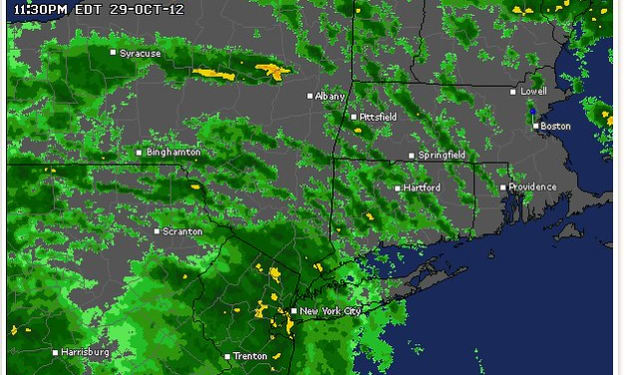
When I was a kid, watching the local meteorologist felt like watching a magician. The radar behind them—a swirl of greens, yellows, and reds—was an enchantment. They’d point, circle, and predict where the storm would move, and somehow, they were always close enough to right. I didn’t know it then, but I was watching the visible language of data before I ever knew what data was. The radar was our oracle, and every flash of color meant something invisible but immediate: wind, rain, and risk.
By Trend Vantageabout 12 hours ago in Earth
How, Too
Many people wonder how, too. You are not alone, and I am an expert. I will teach you how, too! First, you need to remit a small application fee and fill out an application describing the nature of your financial situation and how often payments will be made, as this will have great bearing on how well I teach you how, too.
By Harper Lewis8 days ago in Fiction



Comments
There are no comments for this story
Be the first to respond and start the conversation.