
The Plight of Whales.
Conservation Efforts and Threats to Their Survival.
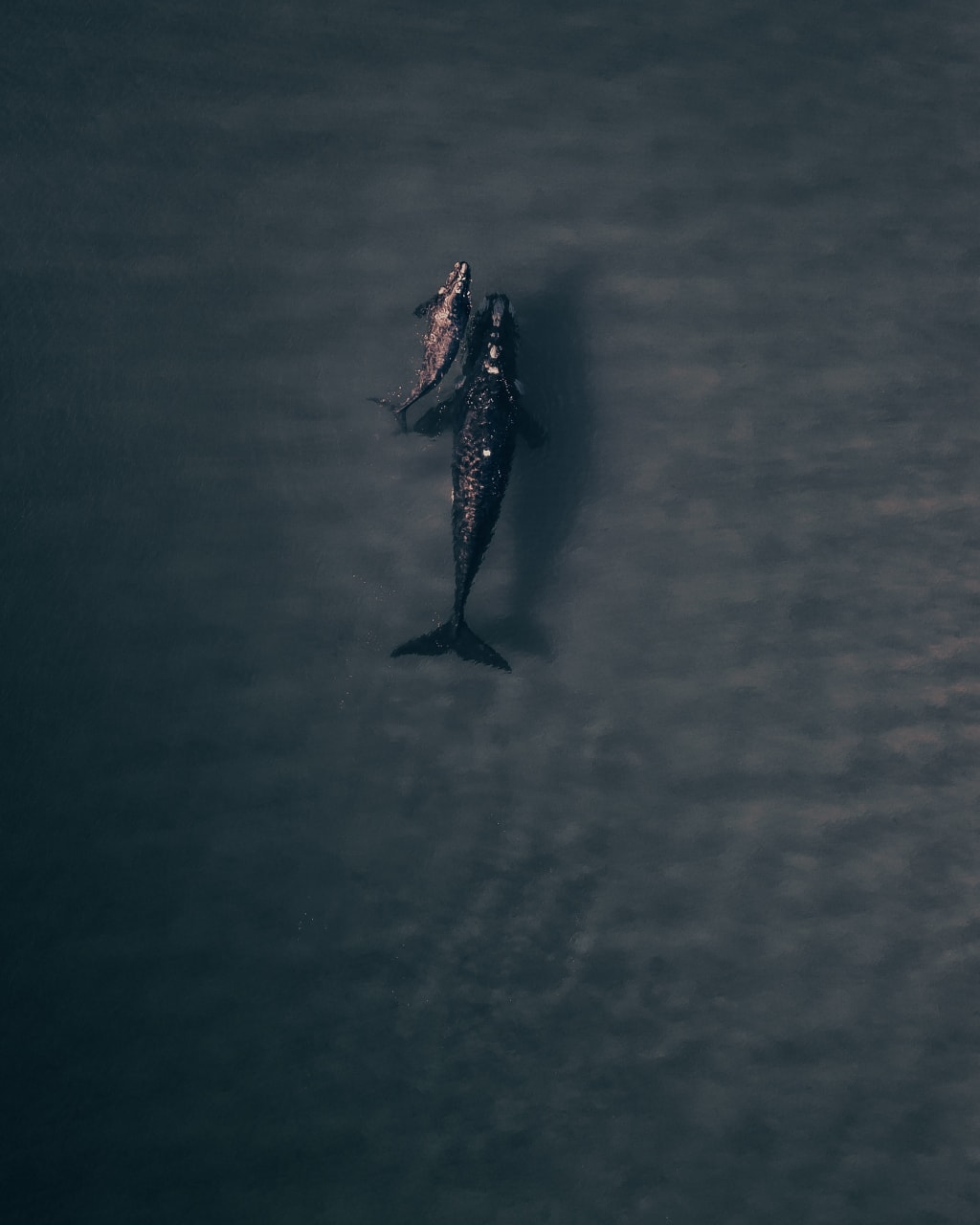
Whales are among the most magnificent creatures on Earth, known for their impressive size, intelligence, and graceful movements in ocean. Unfortunately, these amazing creatures are facing a multitude of threats, including hunting, pollution, climate change, and habitat destruction. In this article, we will explore the current state of whale populations and the conservation efforts being made to protect them.
Whaling is perhaps the most well-known threat to whales, and it has been going on for centuries. In the 20th century alone, it is estimated that over 2 million whales were killed for their meat, blubber, and other products. Although commercial whaling has been banned since 1986, some countries continue to engage in this practice under the guise of "scientific research." Japan, for example, has been criticized for its continued whaling activities in the Antarctic, which many believe are not for scientific purposes at all.
Pollution is another major threat to whales. The ocean is full of plastic waste, chemicals, and other pollutants that can be harmful to marine life. Whales can ingest these pollutants when they mistake them for food or when they consume contaminated prey. This can cause serious health problems and even death. Noise pollution is also a concern, as loud underwater noises from human activities such as shipping and oil drilling can disrupt whale communication and behavior.
Climate change is also taking a toll on whale populations. Rising ocean temperatures and changes in ocean currents are affecting the distribution and availability of food for whales. This can lead to malnutrition and starvation, particularly for species such as the blue whale, which rely on krill for their diet. Climate change can also cause more extreme weather events, such as hurricanes, which can disrupt whale habitats and cause damage to their populations.
Habitat destruction is yet another threat to whales. Coastal development, such as the construction of ports, marinas, and industrial facilities, can disrupt whale migration routes and breeding grounds. Oil spills and other environmental disasters can also cause significant harm to whale habitats and populations.
Despite these many threats, there is hope for the future of whale populations. Many conservation efforts are underway to protect these incredible creatures and their habitats. One of the most successful initiatives has been the establishment of marine protected areas (MPAs), which limit human activities in designated areas to protect marine ecosystems. Many MPAs have been established specifically to protect whale habitats and migration routes, and they have been shown to be effective in preserving marine biodiversity.
Another important conservation effort is the enforcement of the International Whaling Commission's ban on commercial whaling. Although some countries continue to engage in this practice, there has been progress in reducing the number of whales killed for commercial purposes. In addition, there are efforts to reduce other human activities that can harm whales, such as shipping and oil drilling. For example, speed limits for ships have been put in place in areas where whales are known to live, in order to reduce the risk of collisions.
Individual actions can also make a difference in protecting whales. For example, reducing the use of plastic and other pollutants can help reduce the amount of harmful materials in the ocean. Supporting eco-tourism activities that focus on whale watching can also help promote conservation efforts and generate economic benefits for local communities.
In conclusion, whales are facing a multitude of threats that are putting their survival at risk. However, there are many conservation efforts underway to protect these magnificent creatures and their habitats. By establishing marine protected areas, enforcing the ban on commercial whaling, reducing human activities that harm whales, and taking individual actions to reduce pollution and support conservation efforts, we can help ensure that whales continue to grace our oceans for generations to come.
About the Creator
Keep reading
More stories from Mr Royal Honey and writers in Earth and other communities.
The Secret Lives of Whales.
Whales are some of the most fascinating creatures on Earth. These massive mammals are found in every ocean and are known for their impressive size, unique songs, and incredible intelligence. However, there is still so much we don't know about these magnificent animals. Recent research has shed light on the secret lives of whales, including their behavior and communication in the deep blue.
By Mr Royal Honey 3 years ago in Earth
Beckhams Spotted Together in Paris After Brooklyn Row
A Family Reunion in the City of Light David and Victoria Beckham were recently spotted together in Paris, drawing attention from fans and media alike. The appearance comes shortly after reports of a disagreement between the famous couple and their eldest son, Brooklyn Beckham, who has been navigating his own professional and personal endeavors.
By Aarif Lashari2 days ago in Earth




Comments
There are no comments for this story
Be the first to respond and start the conversation.