
The Planetary Health Diet: How Eating for the Earth Can Save Both You and the Planet
Scientists say changing what’s on our plate could prevent millions of deaths and protect the planet’s future. Here’s what the “Planetary Health Diet” means — and how you can start today.

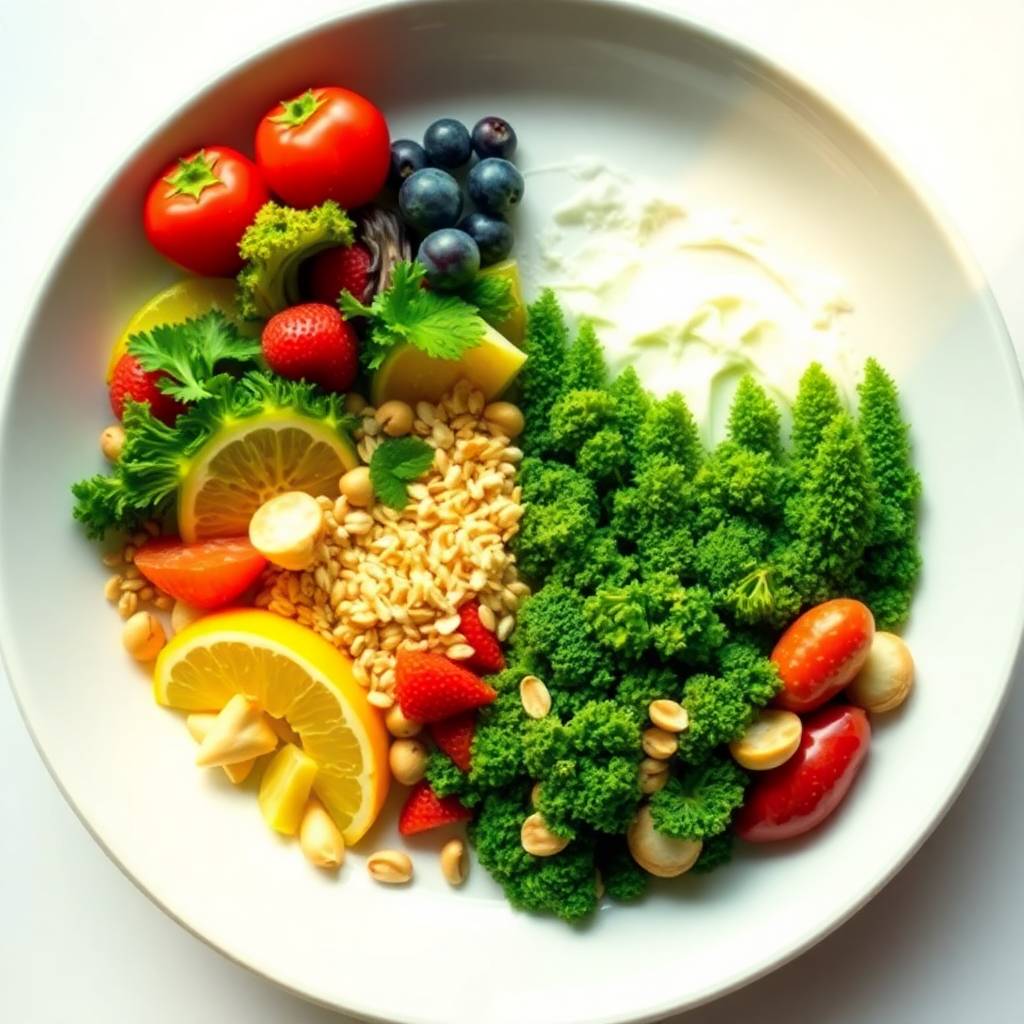
I. The Fork in the Road
Every bite we take shapes more than our health — it shapes our planet.
From the farmlands that feed us to the forests cleared for livestock, the global food system is now one of the biggest drivers of climate change, biodiversity loss, and chronic disease.
And yet, amidst all the doom and data, scientists have offered a remarkably hopeful solution:
Change what’s on our plate.
Enter the Planetary Health Diet, a blueprint for eating that nourishes both people and the planet. Created by the EAT–Lancet Commission — a team of 37 scientists from 16 countries — it’s being called “the most important diet in human history.”
II. What Is the Planetary Health Diet?
At its core, the Planetary Health Diet aims to strike a balance between human nutrition and environmental sustainability.
It’s not a strict plan or fad — it’s a flexible framework that encourages:
More plant-based foods (fruits, vegetables, legumes, nuts, seeds, whole grains)
Less red meat and added sugar
Moderate amounts of fish, poultry, and dairy
Healthy fats from unsaturated oils (like olive, rapeseed, or avocado oil)
In numbers, the ideal daily intake roughly looks like this:
Protein: mostly from beans, lentils, nuts, and a little fish or poultry
Vegetables & Fruits: half your plate
Whole Grains: about a quarter of your plate
Dairy: small portions
Red Meat: only once or twice a week
It’s a way of eating that could feed 10 billion people by 2050 — without destroying the ecosystems that sustain us.
III. Why the World Needs It Now
Right now, our diets are doing double damage.
To Our Bodies:
Over 11 million deaths every year are linked to poor diet — more than smoking or pollution.
Too much red and processed meat raises heart disease and cancer risk.
Too little fruit, fiber, and legumes increases chronic inflammation and diabetes.
To Our Planet:
The food system accounts for about one-third of global greenhouse gas emissions.
Animal agriculture uses 80% of farmland but provides less than 20% of our calories.
We lose forests, water, and soil fertility at an unsustainable rate.
The Planetary Health Diet addresses both crises at once:
Health for you — and health for Earth.
IV. The Science Behind the Diet
When the EAT–Lancet team published its first report, it caused a global stir.
Their analysis suggested that if the world adopted this diet, we could:
Prevent up to 11 million premature deaths per year.
Reduce food-related greenhouse emissions by over 50%.
Allow the planet’s natural systems — water, soil, forests — to recover.
The math adds up because plant-based foods use far fewer resources:
Growing beans requires 20x less land than raising beef.
Lentils and peas emit a fraction of the methane livestock produce.
Whole grains and vegetables improve long-term soil health.
The science is clear: what’s good for your gut is good for the globe.
V. What a Planetary Plate Looks Like
You don’t have to go vegan overnight.
The beauty of the Planetary Health Diet is flexibility — it’s about balance, not restriction.
Here’s an example of a day on the diet:
Breakfast:
Oatmeal topped with berries, flaxseeds, and almond milk.
Green tea or black coffee (unsweetened).
Lunch:
Chickpea and quinoa salad with roasted vegetables, olive oil, and lemon dressing.
A handful of mixed nuts.
Snack:
Apple slices with peanut butter or hummus with carrot sticks.
Dinner:
Grilled fish or tofu stir-fry with brown rice and steamed greens.
A glass of water with lime or herbal tea.
Dessert (optional):
A small square of dark chocolate.
This isn’t deprivation — it’s delicious, colorful, and deeply nourishing.
VI. Challenges and Controversies
No global diet comes without debate.
Critics argue that the Planetary Health Diet may be difficult to adopt in low-income or meat-dependent cultures. Others question whether global supply chains can truly shift fast enough to support this plant-forward model.
There’s also concern about nutrient deficiencies if meat and dairy are reduced too much without proper planning — especially for children, pregnant women, or the elderly.
But proponents counter that the goal isn’t perfection — it’s progress.
Even small shifts (like eating beans instead of beef once a week) can make a measurable impact.
VII. How to Get Started — Without Overwhelming Yourself
Here are simple ways to make the Planetary Health Diet part of your life:
🌾 Go 80/20: Make 80% of your meals plant-based. Keep 20% flexible.
🍎 Add Before You Subtract: Instead of cutting out meat immediately, add more fruits, vegetables, and grains. The meat will naturally decrease.
🥗 Meatless Mondays: Start with one plant-based day each week.
🌰 Snack Smart: Replace chips with nuts or seeds.
💧 Stay Hydrated: Water and herbal teas over sugary drinks.
🌍 Buy Local When Possible: Supporting local farms reduces transport emissions and keeps food fresher.
Change your plate, not your identity — that’s the heart of the movement.
VIII. The Bigger Picture
The Planetary Health Diet isn’t just about food — it’s about redefining prosperity.
A healthy planet means cleaner air, safer water, and more stable food systems for future generations.
Imagine a world where farmers are rewarded for growing soil-enriching crops.
Where schools serve plant-based meals that kids actually love.
Where “eating healthy” automatically means “helping the Earth.”
That’s the vision behind this movement — and millions are already joining.
IX. The Future of Food Is Personal
Technology is making it easier than ever to personalize the Planetary Health Diet.
Apps can now measure your carbon footprint per meal.
AI nutrition coaches can design plant-rich meal plans tailored to your health goals.
Even major food companies are investing in lab-grown meat and sustainable proteins.
The revolution won’t come from governments alone — it will come from our kitchens.
X. Final Takeaway: Eating with Purpose
The next time you sit down for a meal, remember:
Your fork is your most powerful tool for change.
Choosing a lentil soup over a steak isn’t just a diet decision — it’s a vote for clean water, thriving forests, and a livable planet.
The Planetary Health Diet is more than nutrition advice.
It’s a quiet revolution on your plate — one that could nourish a generation and heal the world at the same time.
About the Creator
Keep reading
More stories from arsalan ahmad and writers in Earth and other communities.
The Summer the Streets Melted
The first thing I remember about that July morning was the silence. Cities are rarely quiet, but the heat pressed down on every surface like a heavy blanket, smothering sound. Even the birds were missing, as though they had flown away in search of cooler skies.
By arsalan ahmad4 months ago in Earth
Biochar-Based Carbon Removal Market Outlook for 2026
Biochar carbon removal is transitioning from a niche climate intervention into a structured, investable market. By 2026, the sector is expected to exhibit accelerated growth driven by tightening climate commitments, maturation of crediting methodologies, and increasing buyer sophistication. Market dynamics are shifting from pilot-scale experimentation toward scalable deployment, with pricing, supply constraints, and verification rigor emerging as defining variables.
By Wayne Shen7 days ago in Earth
Japan Furniture Market Size and Forecast 2025–2033
Introduction Japan’s furniture industry stands at a unique intersection of tradition and innovation. Renowned worldwide for its craftsmanship, minimalist design, and functional aesthetics, Japanese furniture reflects the nation’s cultural emphasis on harmony, efficiency, and simplicity. Today, as Japan’s population becomes increasingly urban, digitally connected, and environmentally conscious, the furniture market is undergoing a quiet but significant transformation.
By Janine Root 5 days ago in Earth


Comments
There are no comments for this story
Be the first to respond and start the conversation.