
The Key to India's Recycling Success.
Importance of Segregating Plastic Waste!


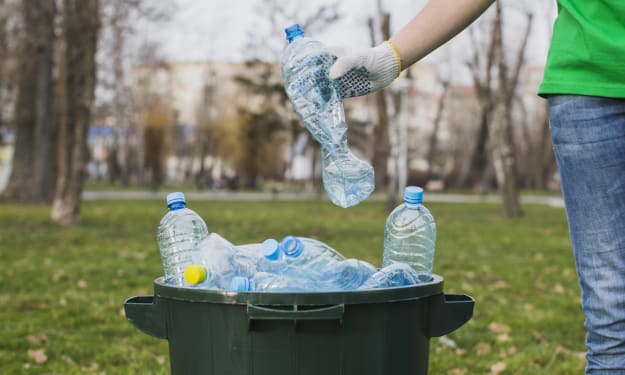
India is one of the world's largest consumers of plastic, generating approximately 3.4 million tonnes of plastic waste annually. The foremost method in addressing this issue according to many and enhancing the state of the environment is through recycling, but effective recycling cannot be achieved without proper segregation of polymer wastes according to types. However, at the core of effective recycling lies a simple yet essential practice: plastic waste segregation by type.
In this blog, we delve into why segregating plastic waste is vital for India's recycling future, the challenges faced, and actionable steps to build a greener, more sustainable nation.
The Importance of Segregating Plastic Waste
1. Decreases Recycling Expenses
It is costly and time ineffective to mix different kinds of plastics during the recycling process. As an illustration, PET bottles will require different processing procedures than PVC pipes or even HDPE containers. Sorting these types of plastic aids in the optimization of the recycling processes and, in turn, lowers the costs incurred in carrying out the operations while enhancing the end products of the recycling processes.
2. Decreases Chemical Emissions
Mixing non-compatible plastics can lead to contamination, which results in the use of inferior materials in the output or completely renders the output in vain. As a case in point, if PVC is recycled together with PET, the PVC necessitates will likely adulterate the PVC goods produced ending in more resources lost than saved. This issue is resolved by appropriate segregation and ensures a neater recycling stream.
3. Reduces Carbon Footprint
Proper sorting reduces the amount of plastic that is finally disposed of in landfills or burnt hence reducing pollution and greenhouse gases. It also reduces the proliferation of microplastics that are detrimental to aquatic creatures, animals, and human beings.
Challenges in Plastic Waste Segregation in India
The social importance of plastic waste segregation is understudied in India. Some significant barriers include:
1. Lack of Awareness
Many people do not understand why plastic waste should be segregated and hence, dispose of their wastes in households, offices, and public places in a mixed form.
2. Insufficient Infrastructure
The organized collection and segregation of waste is impossible in large parts of less developed countries like India where basic infrastructure and systems are absent.
3. Reliance on the Informal Sector
The waste recycling sector in India is dominated by ragpickers and other unregistered workers who are employed to sort and clean waste which is often not segregated in the first place.
As long as no solutions to these problems are searched for, the efforts of governments, private societies, and communities will be in vain.
Steps to Improve Plastic Waste Segregation
1. Public Awareness Campaigns
The first step towards reducing the number of plastic waste is explaining to citizens the reasons why civil plastic waste should be segregated. Education campaigns can educate individuals on how they can change their everyday lives at home and be able to segregate plastics.
2. Improved Infrastructure
On the other hand, countries where segregation is common make it easier for dwellers and businesses to do so by establishing color-coded bins, waste collection systems, and segregation centers.
3. Improving the Lives of People Working in the Informal Sector
Equipping ragpickers with knowledge and tools to scrap and segregate plastic can considerably improve recycling rates.
4. Sustaining Extended Producer Responsibility
Producers are expected to embrace EPR policies and be responsible for the disposed plastic material linked with their products. This could involve collecting the products back or sponsoring recycling programs.
Advantages of Plastic Waste Management
There are many advantages to the correct disposal of plastic materials in time, especially in the long run:
Increases Recycling Rates: Processed waste is simpler to recycle which results in effective recycled resource generation and reduced reliance on new raw materials.
Conserves Resources: Turning raw scrapped plastic into other products is effective in saving power and other resources and preventing waste of limited resources.
Enhances a Circular Economy: Efficient disposal forms allow for the plastic to be retained in production processes, hence reducing overreliance on new plastics.
Rakshitam Ecofiber: The Role Model for Plastic Waste Management
Rakshitam Ecofiber is a perfect example of plastic waste management the right way, we collect and recycle PET bottles and convert them to cotton fibers for use in sewing and textile products.
About the Creator
Rakshitam Ecofibre
We provide Recycled Polyester Staple Fibre is available in various cut lengths and deniers suitable for different industries like spinning, non-woven and technical textiles. Also we buy rPET Flakes and rPET Bottles. Visit: www.rakshitam.com
Keep reading
More stories from Rakshitam Ecofibre and writers in Earth and other communities.
The Journey of a Recycled PET Bottle: From Waste to New Product
Recycling is one of the main activities nowadays, through which the generation of waste becomes a way of saving resources, since nowadays, environmental sustainability is a burning issue. Among the long lists of recycled products is a PET bottle: an excellent example of transformation of waste into valuable products. But where does a plastic bottle go after it is put in the recycling bin? Well, let's see: the journey of transforming waste into a brand-new product-a PET bottle.
By Rakshitam Ecofibreabout a year ago in Earth
Earth’s Hidden Fires
The Black Scar of the Sahara and Other Fires That Shouldn’t Exist From high above, the Sahara Desert looks like a golden ocean—endless waves of sand broken only by scattered blue and green oases. But hidden among the dunes is something startling: a massive black region covering nearly 17,000 square miles. It’s so large it’s visible from space, yet it rarely appears in movies or documentaries. At first glance, it almost looks unnatural, as if something catastrophic happened there.
By Lexi Wilburnabout 16 hours ago in Earth
10 Times Rotten Tomatoes and I Disagreed
***Disclaimer*** I will be ranking these movies in the following manner: The greater the divide between Rotten Tomatoes and I, the higher up on the list (and I am referring to the critic's score, not the audience score). I will also show Rotten Tomatoes' score on each one in addition to my score. I am curious to know what everyone thinks, please let me know in the comments below!
By Madison "Maddy" Newton5 days ago in Geeks



Comments
There are no comments for this story
Be the first to respond and start the conversation.