
The Journey of a Recycled PET Bottle: From Waste to New Product
Recycled PET Bottle

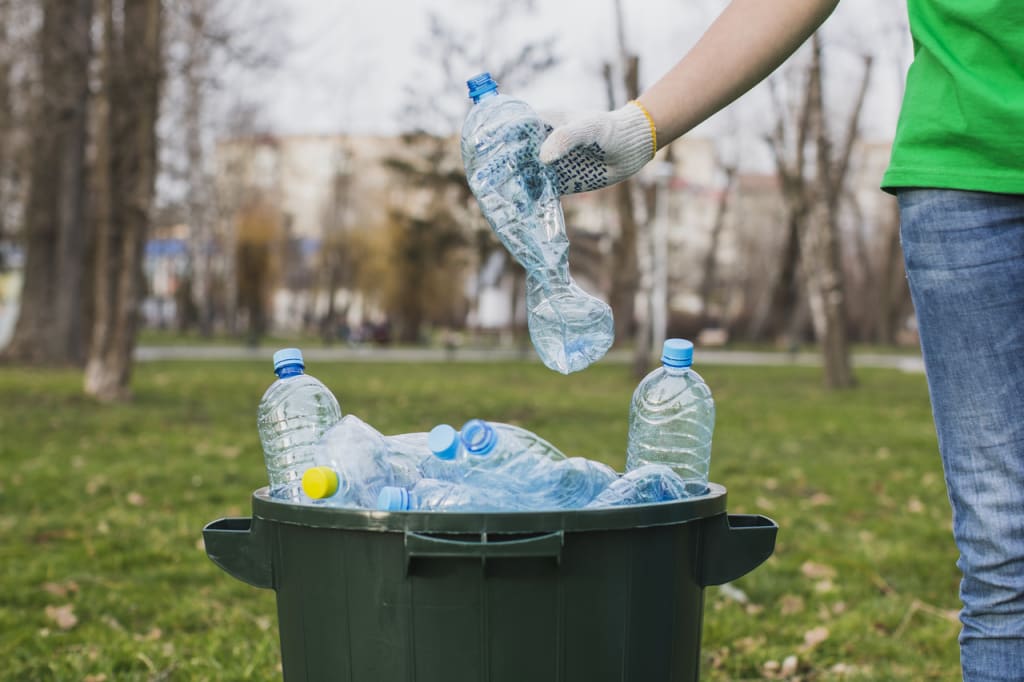
Recycling is one of the main activities nowadays, through which the generation of waste becomes a way of saving resources, since nowadays, environmental sustainability is a burning issue. Among the long lists of recycled products is a PET bottle: an excellent example of transformation of waste into valuable products. But where does a plastic bottle go after it is put in the recycling bin? Well, let's see: the journey of transforming waste into a brand-new product-a PET bottle.
Step 1: Collection and sorting
The whole process starts with you-the consumer; one responsibly disposing of your PET bottle in the right recycling bin. These bins are then collected by the waste management services and transported to a recycling facility.
This will be done at the plant for sorting: removing bottles from all other plastics, metals, and papers. Advanced sorting equipment which includes infrared scanners and air classifiers can even differentiate and sort PET bottles depending on the kinds of composition and color they come in. This careful sorting of material ensures a very pure recycling stream which is important in making high-quality recycled materials.
Step 2: Cleaning and Shredding
PET bottles are then washed, and if they carry labels, adhesives, or residual liquid, cleaned of such residue. Shredded into small pieces called "flakes," the flakes form the raw material for all recycled PET products.
Using water and certain solutions, washing washes away impurities that can degrade the material into recyclable form. In this case, it will ensure a final product which is devoid of contaminants and safe for use in new applications.
Step 3: Pelletizing
After washing, PET flakes are melted and formed into small pellets. This pellet is referred to as "rPET" (recycled PET) and could be used as raw material in the production of new applications.
The palletization step requires close temperature control and filtration to remove impurities, but on from then, the recycled contains a good amount of strength and clarity, which makes rPET incredibly versatile for many applications.
Step 4: Producing New Products
The rPET pellets will be sold to producers, which then finish processing them into a wide variety of products. It might be new bottles, polyester fibers for clothing and textiles, food containers, carpets, and even automobile parts.
For example, after recycling, the PET material is made into polyester fibers and is mainly applied to the production of clothing such as T-shirts, jackets, and sportswear. It is indeed a very good example of how something that is as seemingly mundane as a PET bottle could be turned into something in a form that is miles apart from its original form.
Step 5: Closing the Loop
That's not all; rPET products often have a life cycle. They can be recycled again for perpetual usage instead of eventual disposal. The resultant "closing the loop" reduces the use of virgin plastic and decreases the environmental footprint of plastic waste.
Implications of Recycling PET Bottles
Recycling PET bottles saves energy, avoids greenhouse-gas emissions, and keeps more of our natural resources in the ground. For example, whereas rPET uses an exponentially smaller amount of energy to produce than generating virgin plastic from oil, each of those bottles recycled is one less piece of plastic that ends up in the general pollution of our environment.
Conclusion
This stands as a great achievement in innovation-from product waste to developing new products from it-can be said. And by doing so, we are all part of the journey toward a cleaner, greener planet. Imagine that next PET bottle you toss out, coming back as a T-shirt, a carpet, or maybe another bottle. The proof that this one little act of recycling indeed made all the difference.
About the Creator
Rakshitam Ecofibre
We provide Recycled Polyester Staple Fibre is available in various cut lengths and deniers suitable for different industries like spinning, non-woven and technical textiles. Also we buy rPET Flakes and rPET Bottles. Visit: www.rakshitam.com
Keep reading
More stories from Rakshitam Ecofibre and writers in Earth and other communities.
Future Predictions: The Growth of the Pet Flakes Market in India
The movement toward sustainability has turned out to be an extremely promising path for numerous industries globally, and perhaps the most impacted is the plastic recycling industry. The significant potential for expansion exists in India. PET flakes are extensively used as raw materials in textile, packaging, and consumer goods fields. PET flakes are a material in the form of recycled plastic bottles and containers. The pet flakes market will experience vast growth in India, given the rising growth of focus on sustainability and the circular economy across the nation.
By Rakshitam Ecofibreabout a year ago in Earth
Rubio to Warn That US Is ‘Prepared to Use Force’ if Venezuela Does Not Meet Demands
The keyword “Rubio to warn that US is ‘prepared to use force’ if Venezuela does not meet demands” has once again brought international attention to the long-running crisis between the United States and Venezuela. Statements attributed to U.S. Senator Marco Rubio signal a hardline stance that reflects growing frustration in Washington over Venezuela’s political leadership, democratic backsliding, and regional security concerns.
By Aarif Lashari3 days ago in Earth
Man Shot and Killed During Minneapolis Immigration Crackdown Graduated from Preble High School
A man shot and killed during an immigration enforcement operation in Minneapolis has been identified as a graduate of Preble High School, a detail that has added a deeply personal dimension to an already controversial crackdown. As authorities continue to investigate the circumstances surrounding the fatal shooting, community members, former classmates, and civil rights advocates are demanding transparency, accountability, and a broader review of how immigration enforcement actions are being carried out.
By Salaar Jamali6 days ago in Earth



Comments
There are no comments for this story
Be the first to respond and start the conversation.