
The Impact of Climate Change on Wildlife and Ecosystems
Taking Care of Nature
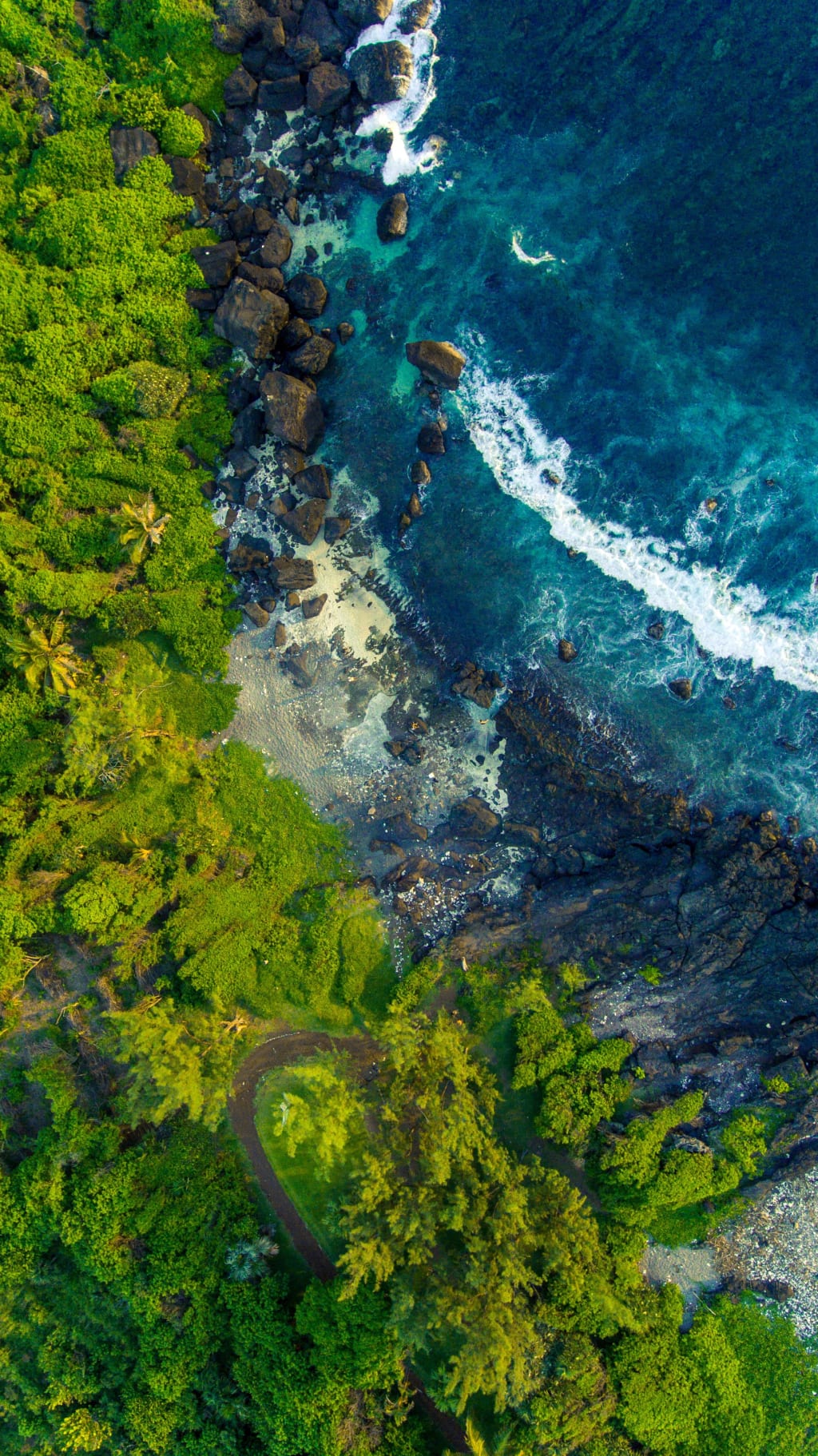
Climate change poses a significant threat to the delicate balance of ecosystems and the survival of countless species worldwide. This article delves into the profound impact of climate change on wildlife and ecosystems, shedding light on the current state of affairs and the potential future implications
1. Changing Habitats:
Rising global temperatures and shifting weather patterns are reshaping habitats across the planet. Many species, especially those adapted to specific environmental conditions, face daunting challenges. Coral reefs, for instance, suffer from increased ocean temperatures, leading to widespread bleaching events and a loss of biodiversity. Migratory patterns of birds and animals are also disrupted, affecting their feeding, breeding, and survival strategies.
2. Loss of Biodiversity:
Climate change poses a severe threat to global biodiversity. The pace of climate change often exceeds the ability of many species to adapt, resulting in reduced populations and even extinctions. Polar bears, dependent on sea ice, are losing critical hunting and mating grounds due to melting ice caps. Various plant species struggle to survive due to changes in rainfall patterns and extreme temperatures.
3. Ecological Imbalances:
Ecosystems rely on intricate webs of interconnected species, each playing a vital role in maintaining balance. Climate change disrupts these relationships, triggering ecological imbalances. For example, as warmer waters cause certain fish species to migrate or decline, predator-prey relationships are disrupted, impacting entire food chains. This ripple effect can have far-reaching consequences for the stability and resilience of ecosystems.
4. Increased Extinction Risks:
The accelerated pace of climate change has significantly amplified the risk of species extinction. Scientists estimate that the current rate of species loss is approximately 1,000 times higher than the natural extinction rate. Iconic and keystone species, such as elephants, orangutans, and bees, face an uncertain future as their habitats are destroyed or altered by climate change. The loss of these species can have cascading effects on entire ecosystems.
5. Implications for Human Society:
The impact of climate change on wildlife and ecosystems extends beyond the natural world, affecting human societies in numerous ways. Healthy ecosystems provide essential services, such as clean air, water, and food production. Disruptions to these services can have far-reaching consequences for human health, livelihoods, and economies. For instance, the decline of pollinators like bees and butterflies jeopardizes crop yields, potentially leading to food shortages and increased prices.
Coastal communities are at risk due to sea-level rise and increased intensity of storms. Indigenous peoples, whose livelihoods are intertwined with nature, face cultural, economic, and social impacts.
Climate change is primarily caused by human activities that release greenhouse gases into the atmosphere. Here are some of the major causes of climate change:
1. Burning of Fossil Fuels:
The combustion of fossil fuels like coal, oil, and natural gas for electricity generation, transportation, and industrial processes releases carbon dioxide (CO2) into the atmosphere. CO2 is a major greenhouse gas that traps heat and contributes to global warming.
2. Deforestation:
The clearing of forests for agriculture, urbanization, and logging leads to the release of CO2 stored in trees and reduces the Earth's capacity to absorb CO2 through photosynthesis. Deforestation also disrupts ecosystems and biodiversity, further contributing to climate change.
3. Agriculture:
Agricultural activities, particularly livestock production and rice cultivation, produce significant amounts of methane (CH4) and nitrous oxide (N2O), both potent greenhouse gases. Methane is emitted by livestock's digestive processes and manure management, while N2O is released through the use of nitrogen-based fertilizers.
4. Industrial Processes:
Certain industrial processes release greenhouse gases, including hydrofluorocarbons (HFCs), perfluorocarbons (PFCs), and sulfur hexafluoride (SF6). These gases, used in various industries like manufacturing, refrigeration, and electronics, have much higher global warming potentials than CO2.
5. Land Use Changes:
Land use changes, such as urbanization, conversion of forests to agriculture, and expansion of infrastructure, release stored carbon and decrease the overall carbon sink capacity of the land. These changes contribute to the increase in atmospheric CO2 levels.
6. Waste Management:
Improper waste management, particularly in landfills, leads to the release of methane as organic waste decomposes. Methane emissions from landfills are a significant contributor to greenhouse gas emissions.
7. Industrial and Residential Energy Use:
Energy-intensive industries and residential energy consumption contribute to greenhouse gas emissions. The use of fossil fuels for heating, cooling, cooking, and other energy needs releases CO2 and other pollutants.
Addressing climate change requires collective efforts from both individuals and governments. While individual actions contribute to the overall impact, governments play a crucial role in setting policies, regulations, and frameworks to drive systemic change.
About the Creator
Keep reading
More stories from writers in Earth and other communities.
Emergency declared in USA.
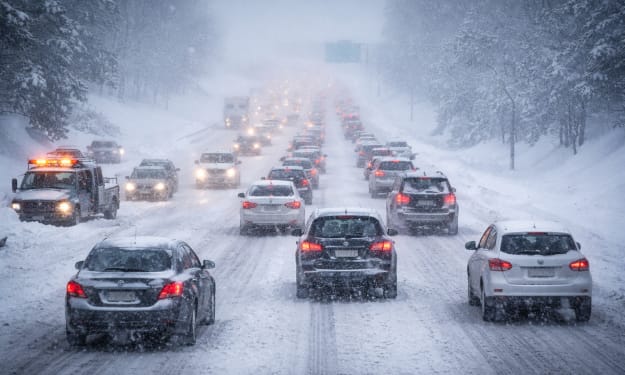
A historic winter storm known as Winter Storm Fern has unleashed devastating cold, heavy snow, and dangerous ice across a vast portion of the United States, stretching from Texas in the South to New England in the Northeast. Millions of people are affected as emergency warnings flash on phones and TV screens, roads become treacherous, and travel across the country grinds to a near halt.
By USA daily update 7 days ago in Earth
US Government Partially Shuts Down Despite Last-Minute Funding Deal
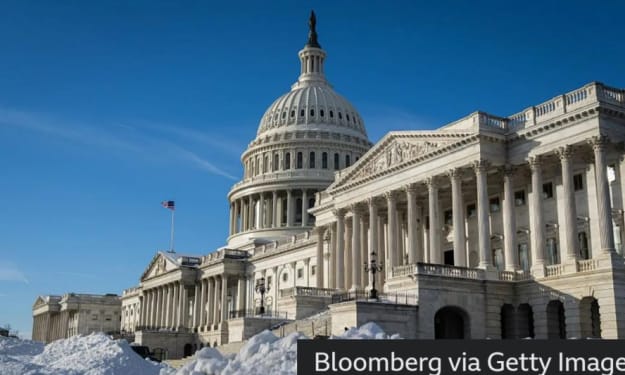
The United States government has entered a partial shutdown, even after lawmakers announced a last-minute funding deal intended to avert disruption. The development highlights persistent political gridlock in Washington and underscores how narrow margins, internal party divisions, and procedural delays can still trigger government paralysis.
By Aarif Lashariabout 4 hours ago in Earth
One Hard Thing
Stop me if you’ve heard this one before: You have the number, you know your schedule- you’ve even picked out the perfect day and time to make this appointment. Shoot, you’ve even picked out alternative days and times just in case their schedules can’t accommodate you!
By Taylor Rigsby5 days ago in Motivation
10 Times Rotten Tomatoes and I Disagreed
***Disclaimer*** I will be ranking these movies in the following manner: The greater the divide between Rotten Tomatoes and I, the higher up on the list (and I am referring to the critic's score, not the audience score). I will also show Rotten Tomatoes' score on each one in addition to my score. I am curious to know what everyone thinks, please let me know in the comments below!
By Madison "Maddy" Newton6 days ago in Geeks


Comments
There are no comments for this story
Be the first to respond and start the conversation.