
Emergency declared in USA.
Historic Winter Storm Paralyzes Much of the United States

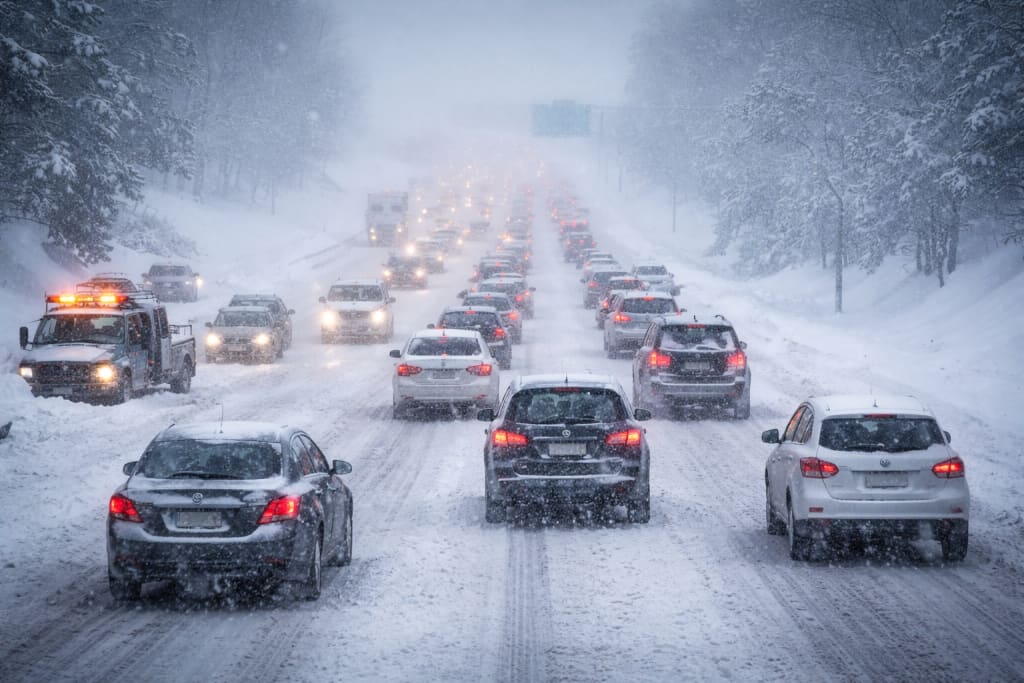
A historic winter storm known as Winter Storm Fern has unleashed devastating cold, heavy snow, and dangerous ice across a vast portion of the United States, stretching from Texas in the South to New England in the Northeast. Millions of people are affected as emergency warnings flash on phones and TV screens, roads become treacherous, and travel across the country grinds to a near halt.
For many Americans, January 2026 will be remembered as the winter when the sky fell — not in rain, but in snow, sleet, freezing rain, and bone-chilling wind chills. Meteorologists warn that this system could become one of the most widespread and impactful winter weather events in recent history, with weather alerts and emergency declarations spanning more than 40 states and covering over 230 million people.
Emergency Declarations and Safety Alerts Across the Country
As the storm advanced, governors in at least 18 states, from Texas and Alabama in the South to Pennsylvania and New York in the Northeast, declared states of emergency to mobilize resources and warn residents of the looming threat. Washington, D.C. also issued similar emergency measures as conditions worsened.
The National Weather Service has issued winter storm warnings, ice storm warnings, and extreme cold advisories across huge swaths of the nation. These alerts are not limited to traditional winter regions — cities unaccustomed to severe winter weather, including parts of Southeast Texas and the Gulf Coast, are now bracing for ice and dangerous cold that could see temperatures plunge well below freezing.
Authorities strongly urged people to stay indoors, avoid unnecessary travel, and prepare emergency supplies. Officials warned that slick, ice-coated roads could cause accidents, and falling tree branches and power lines could lead to outages.
Travel Chaos: Thousands of Flights Canceled
One of the most visible impacts of Winter Storm Fern has been on travel. Airlines across the country have canceled thousands of flights, leaving passengers stranded and scrambling to find alternate routes. Major airports — especially Dallas-Fort Worth International Airport (DFW) — saw a large percentage of departures and arrivals scrapped as weather conditions deteriorated.
By Sunday, flight-tracking services reported that more than 8,000 flights had already been canceled, with the number expected to rise as the storm continues. Airlines like Delta have expanded travel waivers, allowing travelers to change plans without penalties due to the hazardous conditions.
Many families and business travelers shared photos and videos on social media of packed terminals, frustrated passengers, and jammed hotel rooms near major airports. Drivers who attempted to travel on snowy highways described eerie scenes of abandoned cars and long delays. Airports from Atlanta to New York and throughout the Midwest and South faced major disruptions, while international carriers even canceled flights at hubs like New York and Newark in anticipation of worsening weather.
Life in the Storm: Snow, Ice, and Extreme Cold
The winter storm isn’t just ruining travel — it’s reshaping life across the country. From Texas to Ohio, schools closed early or shifted to online learning as snow and sleet made roads unsafe for buses and commuters. In parts of the Midwest and Northeast, heavy snowfall — predicted in some areas to exceed a foot — has already blanketed streets and blocked sidewalks.
In addition to snow, ice accumulation has made travel particularly hazardous. Even a thin glaze of freezing rain can turn highways into skating rinks, and in some southern cities that rarely see winter weather, this storm has brought the first significant ice in years. Utility crews have been mobilized to handle possible outages as ice-laden tree limbs threaten power lines.
Meteorologists say the storm’s cold air and moisture are colliding in a way that rarely happens — a mix of Arctic air and Gulf moisture — creating a sprawling system that could have long-lasting impacts well into the next week. Forecasters warned that wind chills in parts of the northern Plains could dip to dangerously low levels, posing a risk of frostbite within minutes if proper precautions aren’t taken.
What’s Next? Recovery and Resilience
As Winter Storm Fern moves east and weakens over the coming days, communities will be assessing the damage and beginning cleanup and recovery efforts. Even after the snow ends, treacherous ice could linger on roads and power lines, delaying travel and restoration work.
Officials are urging residents to prepare emergency kits, check on elderly neighbors, and remain patient. While winter storms are a part of life in many northern states, the sheer scale and reach of this storm make it an event many Americans will not soon forget.
About the Creator
USA daily update
News, Politics, Technology Updates
Keep reading
More stories from USA daily update and writers in Earth and other communities.
US weather forecast
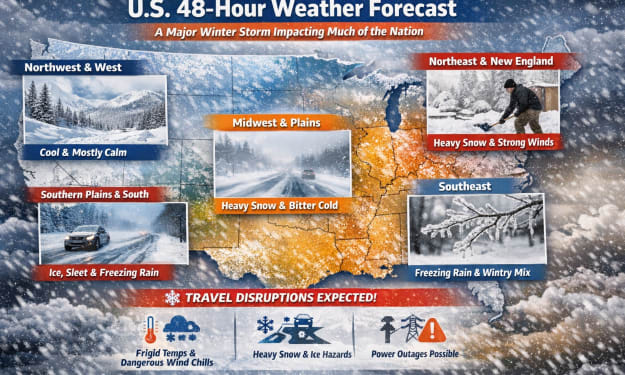
General Nationwide Pattern (Next 48 Hours) 1. Widespread Winter Storm Across Much of the U.S. A powerful winter storm is forecast to affect large swaths of the country through the next two days. It is expected to bring heavy snow, ice, freezing rain, and dangerously cold temperatures from the Southern Plains into the Midwest, East Coast, and parts of the Southeast.
By USA daily update 2 months ago in Earth
Astronomers Capture Rare Evidence of Two Planets Colliding
Astronomers have gathered rare and compelling evidence suggesting that two planets collided in a distant star system, producing a dramatic cosmic event that has fascinated scientists around the world. Planetary collisions are believed to have played a major role in shaping many solar systems, including our own, but witnessing the aftermath of such a violent event is extremely rare. The new discovery offers valuable clues about how planets grow, change, and sometimes destroy each other during the chaotic early stages of planetary formation.
By Irshad Abbasi 3 days ago in Earth



Comments
There are no comments for this story
Be the first to respond and start the conversation.