
The Hidden Perils of Avalanches
Understanding Nature’s Snowy Fury

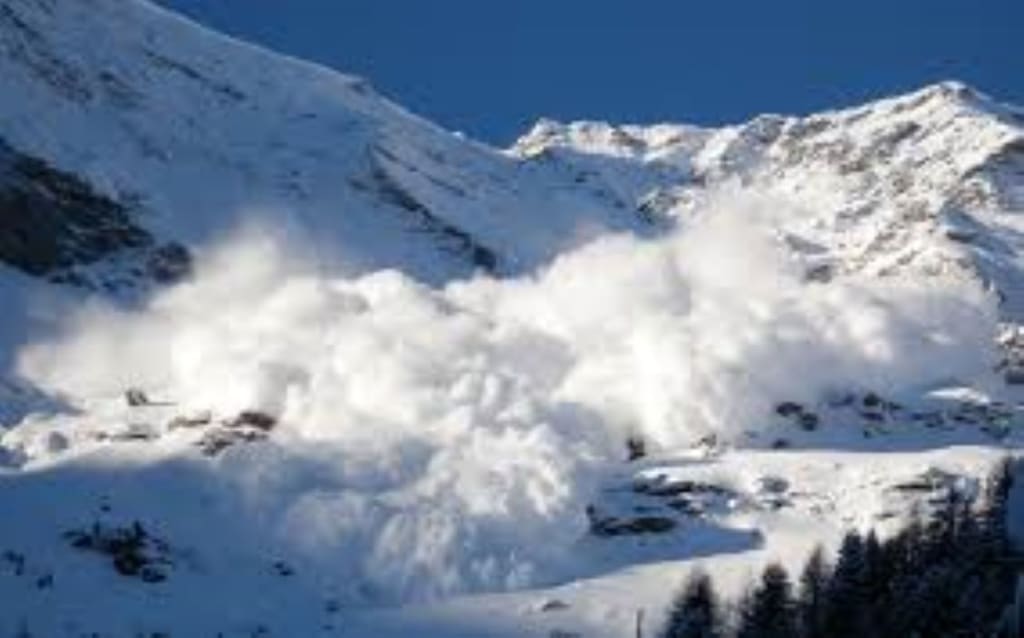
Avalanches, with their awe-inspiring power, are one of nature’s most dangerous forces, capable of wreaking havoc in mountainous regions. They can be triggered by natural events like earthquakes or human activities, and understanding them is crucial for those who venture into snowy terrains.
While the deadliest avalanche on record occurred in 1970 in Peru, killing an estimated 30,000 people after an earthquake-triggered landslide buried the town of Yungay, the most lethal snow avalanches occurred during World War I. In December 1916, the Dolomites mountain range in northern Italy became a deadly battleground. After heavy snowfall, soldiers from both sides began deliberately triggering avalanches using artillery shells, resulting in the deaths of between 2,000 and 10,000 troops.
Today, avalanches are more commonly triggered by skiers, snowboarders, and snowmobilers in backcountry areas. In the U.S., 93% of fatal avalanches are caused by the weight of the victim or someone in their party. But how can something so massive be triggered by a single human?
An avalanche occurs when the crystalline bonds between snow crystals break, and gravity pulls the snow down the slope. Avalanches are categorized by size on a scale of one to five, with level one being incapable of burying a person and level five capable of massive destruction.
Snow is not a uniform substance; it builds up in layers, each formed under different conditions. These layers can become unstable over time due to factors such as temperature changes, wind, and humidity. For example, a sunny day after a snowstorm can melt the surface snow, which then refreezes overnight, creating a weak layer beneath a new snowstorm’s deposit. This layering is key to understanding how avalanches form.
There are two main types of avalanches: loose and slab. Loose avalanches, which can be dry or wet, occur when the snow is not cohesive, causing it to fan out when it moves. While these are generally less dangerous, they can still pose risks, especially to skiers who might be dragged over cliffs.
Slab avalanches, however, are far more deadly. These occur when a cohesive layer of snow, known as a slab, breaks free from a weaker underlying layer. The most dangerous slopes for slab avalanches are those between 34 and 45 degrees, which are also the slopes most favored by skiers.
Slab avalanches can be triggered remotely, meaning that a skier could be on a relatively safe slope but trigger an avalanche on a steeper slope above. These avalanches are fast, reaching speeds of up to 120 kilometers per hour, and they can be devastating.
To prevent avalanches in ski resorts, ski patrols conduct avalanche control work by deliberately triggering small avalanches before they have a chance to become large and dangerous. This is often done using explosives, which can be thrown from helicopters or placed on the slopes by ski patrollers.
For those venturing into the backcountry, carrying the right gear is essential. This includes a beacon, a probe, and a shovel. A beacon sends out a signal that can be detected by others if the wearer is buried, while a probe is used to locate a buried person under the snow. A shovel is necessary to dig out the victim, who, if not rescued within 15 minutes, has a significantly reduced chance of survival.
Another life-saving device is the avalanche airbag. When activated, it inflates, increasing the skier's buoyancy and making it less likely for them to be buried deeply. The airbag also creates a larger air pocket if the skier is buried, giving rescuers more time to dig them out.
Ultimately, the best way to survive an avalanche is to avoid getting caught in one. Before heading out, always check the avalanche forecast and make informed decisions about where to go. Avalanches are beautiful but deadly, and understanding them can mean the difference between life and death.
About the Creator
Mariana
I'm a storyteller at heart, weaving narratives that uncover the extraordinary. I write to provoke thought, inspire and stir the soul. Join me in exploring the magic in the mundane, where creativity and passion leave a lasting impact.
Emergency declared in USA.
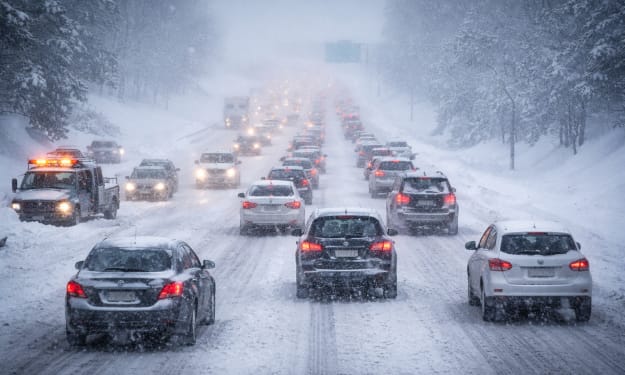
A historic winter storm known as Winter Storm Fern has unleashed devastating cold, heavy snow, and dangerous ice across a vast portion of the United States, stretching from Texas in the South to New England in the Northeast. Millions of people are affected as emergency warnings flash on phones and TV screens, roads become treacherous, and travel across the country grinds to a near halt.
By Hamd Ullahabout 9 hours ago in Earth
Top Business Leaders Issue Expletive-Laced Message on Green Backlash
In a move that has captured global attention, a coalition of top business leaders recently issued a sharp and expletive-laden statement responding to what they describe as growing “green backlash” against corporate sustainability initiatives. The statement, which circulated widely on social media and news outlets, reflects increasing tension between business interests and environmental advocacy. Executives from some of the world’s largest corporations—including energy, manufacturing, and technology sectors—warned that the backlash threatens progress on climate goals and risks undermining long-term economic and environmental stability. What the Statement Said While the exact wording contained strong language, the core message was clear: business leaders are frustrated with public criticism that, in their view, unfairly targets companies striving to reduce emissions, invest in renewable energy, and implement sustainable practices. According to excerpts released by major media outlets, the executives argued that: Sustainability efforts are essential for long-term business survival. Criticism from political groups, activists, and some consumers is often misinformed or oversimplified. Corporations cannot be held responsible for systemic environmental challenges alone. The expletive-laced tone surprised observers and sparked debates about corporate communication strategies and the limits of public discourse in environmental debates. Why Business Leaders Are Pushing Back Many companies have invested billions in green technologies, energy-efficient processes, and corporate social responsibility initiatives. Yet, they argue that despite these investments, they face increasing public scrutiny and sometimes hostile criticism: Activist campaigns often portray corporations as greenwashing, exaggerating sustainability claims. Politicians in some regions have launched legal or regulatory challenges against certain environmental strategies. Social media amplifies criticism rapidly, sometimes disproportionately. Business leaders warn that this backlash not only demoralizes corporate teams but can also slow down innovation in areas like renewable energy, sustainable packaging, and carbon-neutral logistics. The Green Backlash: What It Is The term “green backlash” refers to growing opposition to environmental initiatives, particularly when such initiatives are perceived as expensive, disruptive, or politically motivated. Analysts suggest the backlash stems from several sources: Economic concerns: Some voters fear green policies raise costs for consumers or hurt industries reliant on traditional energy. Political polarization: Environmental issues have become entangled with partisan debates in multiple countries. Misinformation: Social media often spreads misleading narratives about corporate green practices. Executives argue that a lack of understanding among the public contributes to misdirected criticism. Examples of Corporate Sustainability Initiatives The companies represented in the statement have launched a range of initiatives over the past decade: Transitioning to 100% renewable energy in certain operations. Developing electric vehicle fleets for logistics. Investing in carbon capture technologies. Promoting sustainable supply chains and sourcing practices. While these measures have tangible environmental benefits, some critics argue that companies could do more or that efforts are motivated primarily by public relations rather than genuine ecological concern. Public and Media Reaction The expletive-laden nature of the statement drew immediate attention. Responses have ranged from support to criticism: Supporters argue the message is a wake-up call, highlighting that corporations are actively addressing climate challenges despite unfair scrutiny. Critics say that the tone reflects arrogance and defensiveness, suggesting that executives may be out of touch with public concerns. Media outlets noted the unusual directness and language, emphasizing how rare it is for top executives to express frustration so bluntly. The controversy highlights the fine line companies must walk in communicating sustainability efforts while maintaining credibility and public trust. Implications for Corporate Environmental Policy Analysts suggest this incident could have lasting impacts on corporate environmental policy: Stronger Communication Strategies: Companies may invest more in explaining their initiatives clearly to the public. Policy Advocacy: Corporations could increase lobbying efforts to protect sustainability investments from backlash. Collaboration With Stakeholders: Building alliances with NGOs, governments, and communities may help mitigate criticism. Transparency and Reporting: Enhanced sustainability reporting could counter claims of greenwashing. Overall, the backlash may push companies to balance assertiveness with accountability, ensuring their green efforts are both visible and credible. Broader Context: Climate Action and Corporate Responsibility This statement comes amid a period of heightened focus on climate change and corporate responsibility. Governments around the world are implementing stricter emissions targets, and investors are increasingly prioritizing environmental, social, and governance (ESG) metrics. At the same time, some sectors are experiencing pushback from consumers, employees, or regulators who feel that certain sustainability measures are too costly or disruptive. The tension between progressive climate goals and short-term economic or political pressures is likely to persist for years. Lessons From the Backlash Several takeaways emerge from this high-profile corporate statement: Companies must communicate proactively, not just implement policies. Strong language can grab attention, but it may also polarize stakeholders. Engagement with critics, rather than public confrontation, could yield better long-term results. The green backlash reflects a broader societal debate about the pace, cost, and responsibility of environmental action. The incident illustrates how corporate leadership and public opinion intersect in the era of climate change. Conclusion: Navigating the Green Debate The expletive-laden message from top business leaders underscores the frustration felt by corporations navigating environmental challenges in a polarized climate. While the tone may have raised eyebrows, the underlying message is clear: companies are committed to sustainability but are seeking understanding and support from the public. As environmental policies, corporate initiatives, and public expectations continue to evolve, the dialogue between business and society will remain critical. This episode may serve as a reminder that communication strategy is as important as action in achieving meaningful progress on climate change.
By Muhammad Hassana day ago in Earth



Comments (1)
Thanks for sharing