
The Ground Over Yellowstone Is Rising
Is It Going to Erupt?


Yellowstone National Park is renowned for its powerful geysers and hot springs, a testament to the giant super volcano lying beneath it. This super volcano's existence is due to an enormous magma chamber below the park. In 2015, researchers from the University of Utah discovered that this chamber was much larger than previously thought. They even found an additional reservoir of magma beneath the top one. The size of these magma chambers is significant because larger chambers can contain more magma. Together, these two reservoirs hold enough magma to fill the Grand Canyon 11 times over.
One concerning aspect of these magma chambers is their tendency to push against the ground above them, causing Yellowstone's land to rise about 1 to 2 inches each year. Yellowstone is classified as an active volcano, with a volcanic explosivity index (VEI) of 8 out of 8. This rating implies that an eruption would be catastrophic. To put this into perspective, the eruption of Mount Pinatubo in the Philippines in 1991, which was the most powerful eruption in living memory, had a VEI of 6.
In March 2023, the University of Utah Seismograph Stations recorded 354 earthquakes in the Yellowstone region. While this number might seem high, the most significant event was a minor earthquake of magnitude 3.7, part of a swarm of 106 earthquakes that began on March 29 and continued until the end of the month. Earthquake swarms are not unusual for Yellowstone, and although the seismic activity is slightly higher than usual, it is not considered alarming.
Michael Poland, a geophysicist at the Yellowstone Volcano Observatory, reassures that the volcano is not expected to erupt anytime soon. For an eruption to occur, there must be sufficient magma beneath the surface and enough pressure to cause it to rise, neither of which are present today. However, Poland and his team continuously monitor various indicators of potential eruptions, such as earthquake frequency, ground deformation, changes in geyser activity, and thermal emissions.
Despite sensational media claims that Yellowstone is overdue for an eruption since the last one occurred 70,000 years ago, experts clarify that volcanoes do not operate on predictable timelines. If a super eruption were to happen, the most devastating consequence would not be the lava flows or the accompanying earthquakes, but the ashfall. Historical eruptions of Yellowstone have shown that the ash and dust released can cover vast areas and cause significant environmental and climatic effects.
The most powerful eruption in Yellowstone's history was 2,500 times more destructive than the 1980 eruption of Mount St. Helens. The most recent major eruption, the Lava Creek eruption, formed the Yellowstone Caldera and expelled an enormous amount of volcanic material into the atmosphere. Scientists have also discovered two other significant eruptions that occurred around 9 and 8.7 million years ago, with the younger one being the largest recorded event in the Snake River-Yellowstone volcanic province.
Millions of years ago, the signs of an impending eruption at Yellowstone were apparent long before the actual event. Heat from within the Earth melted rock beneath the crust, creating large magma chambers filled with pressurized molten rock, water vapor, and gases like carbon dioxide. As more magma accumulated, the land above these chambers gradually rose. Minor earthquakes became more frequent, and the ground temperature increased, causing surface lakes and groundwater to warm. Steam began to rise, and the ground around the volcano lifted, creating a dome-shaped uplift.
Narrow cracks formed along the edges of this uplift, releasing pressure from the magma chamber. This process is comparable to shaking a bottle of soda and then opening it, with the magma rising toward the surface. The roof of the magma chamber eventually gave way, leading to a massive eruption. The eruption spewed lava, ash, and volcanic gases into the air, creating a pyroclastic flow—a deadly mixture of hot lava, ash, and gases moving at hurricane speeds. The ashfall from the eruption covered vast areas, causing temperatures to drop globally due to sulfur blocking sunlight. The aftermath included a "volcanic winter," with no summer for several years, leading to widespread food and water shortages.
If such an eruption occurred today, it would devastate large regions of the United States, covering states like Colorado, Utah, and Wyoming with up to three feet of ash. The ash cloud would cause darkness, destroy crops, contaminate water supplies, and damage infrastructure. Fortunately, such a disaster is not expected to happen anytime soon, allowing us to focus on other challenges.
About the Creator
Mariana
I'm a storyteller at heart, weaving narratives that uncover the extraordinary. I write to provoke thought, inspire and stir the soul. Join me in exploring the magic in the mundane, where creativity and passion leave a lasting impact.
Reader insights
Nice work
Very well written. Keep up the good work!
Top insights
Compelling and original writing
Creative use of language & vocab
Easy to read and follow
Well-structured & engaging content
On-point and relevant
Writing reflected the title & theme
Emergency declared in USA.
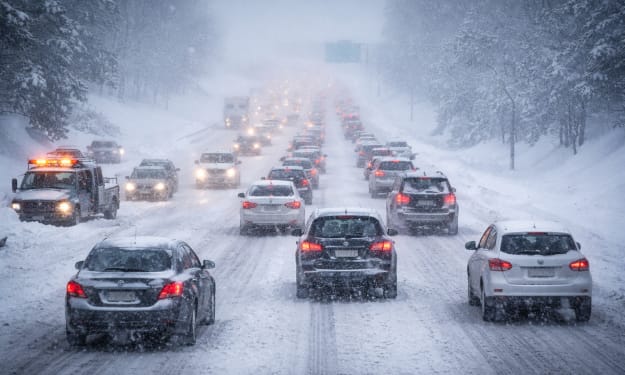
A historic winter storm known as Winter Storm Fern has unleashed devastating cold, heavy snow, and dangerous ice across a vast portion of the United States, stretching from Texas in the South to New England in the Northeast. Millions of people are affected as emergency warnings flash on phones and TV screens, roads become treacherous, and travel across the country grinds to a near halt.
By Hamd Ullahabout 11 hours ago in Earth
Top Business Leaders Issue Expletive-Laced Message on Green Backlash
In a move that has captured global attention, a coalition of top business leaders recently issued a sharp and expletive-laden statement responding to what they describe as growing “green backlash” against corporate sustainability initiatives. The statement, which circulated widely on social media and news outlets, reflects increasing tension between business interests and environmental advocacy. Executives from some of the world’s largest corporations—including energy, manufacturing, and technology sectors—warned that the backlash threatens progress on climate goals and risks undermining long-term economic and environmental stability. What the Statement Said While the exact wording contained strong language, the core message was clear: business leaders are frustrated with public criticism that, in their view, unfairly targets companies striving to reduce emissions, invest in renewable energy, and implement sustainable practices. According to excerpts released by major media outlets, the executives argued that: Sustainability efforts are essential for long-term business survival. Criticism from political groups, activists, and some consumers is often misinformed or oversimplified. Corporations cannot be held responsible for systemic environmental challenges alone. The expletive-laced tone surprised observers and sparked debates about corporate communication strategies and the limits of public discourse in environmental debates. Why Business Leaders Are Pushing Back Many companies have invested billions in green technologies, energy-efficient processes, and corporate social responsibility initiatives. Yet, they argue that despite these investments, they face increasing public scrutiny and sometimes hostile criticism: Activist campaigns often portray corporations as greenwashing, exaggerating sustainability claims. Politicians in some regions have launched legal or regulatory challenges against certain environmental strategies. Social media amplifies criticism rapidly, sometimes disproportionately. Business leaders warn that this backlash not only demoralizes corporate teams but can also slow down innovation in areas like renewable energy, sustainable packaging, and carbon-neutral logistics. The Green Backlash: What It Is The term “green backlash” refers to growing opposition to environmental initiatives, particularly when such initiatives are perceived as expensive, disruptive, or politically motivated. Analysts suggest the backlash stems from several sources: Economic concerns: Some voters fear green policies raise costs for consumers or hurt industries reliant on traditional energy. Political polarization: Environmental issues have become entangled with partisan debates in multiple countries. Misinformation: Social media often spreads misleading narratives about corporate green practices. Executives argue that a lack of understanding among the public contributes to misdirected criticism. Examples of Corporate Sustainability Initiatives The companies represented in the statement have launched a range of initiatives over the past decade: Transitioning to 100% renewable energy in certain operations. Developing electric vehicle fleets for logistics. Investing in carbon capture technologies. Promoting sustainable supply chains and sourcing practices. While these measures have tangible environmental benefits, some critics argue that companies could do more or that efforts are motivated primarily by public relations rather than genuine ecological concern. Public and Media Reaction The expletive-laden nature of the statement drew immediate attention. Responses have ranged from support to criticism: Supporters argue the message is a wake-up call, highlighting that corporations are actively addressing climate challenges despite unfair scrutiny. Critics say that the tone reflects arrogance and defensiveness, suggesting that executives may be out of touch with public concerns. Media outlets noted the unusual directness and language, emphasizing how rare it is for top executives to express frustration so bluntly. The controversy highlights the fine line companies must walk in communicating sustainability efforts while maintaining credibility and public trust. Implications for Corporate Environmental Policy Analysts suggest this incident could have lasting impacts on corporate environmental policy: Stronger Communication Strategies: Companies may invest more in explaining their initiatives clearly to the public. Policy Advocacy: Corporations could increase lobbying efforts to protect sustainability investments from backlash. Collaboration With Stakeholders: Building alliances with NGOs, governments, and communities may help mitigate criticism. Transparency and Reporting: Enhanced sustainability reporting could counter claims of greenwashing. Overall, the backlash may push companies to balance assertiveness with accountability, ensuring their green efforts are both visible and credible. Broader Context: Climate Action and Corporate Responsibility This statement comes amid a period of heightened focus on climate change and corporate responsibility. Governments around the world are implementing stricter emissions targets, and investors are increasingly prioritizing environmental, social, and governance (ESG) metrics. At the same time, some sectors are experiencing pushback from consumers, employees, or regulators who feel that certain sustainability measures are too costly or disruptive. The tension between progressive climate goals and short-term economic or political pressures is likely to persist for years. Lessons From the Backlash Several takeaways emerge from this high-profile corporate statement: Companies must communicate proactively, not just implement policies. Strong language can grab attention, but it may also polarize stakeholders. Engagement with critics, rather than public confrontation, could yield better long-term results. The green backlash reflects a broader societal debate about the pace, cost, and responsibility of environmental action. The incident illustrates how corporate leadership and public opinion intersect in the era of climate change. Conclusion: Navigating the Green Debate The expletive-laden message from top business leaders underscores the frustration felt by corporations navigating environmental challenges in a polarized climate. While the tone may have raised eyebrows, the underlying message is clear: companies are committed to sustainability but are seeking understanding and support from the public. As environmental policies, corporate initiatives, and public expectations continue to evolve, the dialogue between business and society will remain critical. This episode may serve as a reminder that communication strategy is as important as action in achieving meaningful progress on climate change.
By Muhammad Hassana day ago in Earth
How to Succeed at the Benson Directory®
Congratulations and welcome to the Benson Directory® employee #22391! As our newest call handler, you will have the privilege of speaking with dozens of unique and interesting people on a daily basis as well as the opportunity to earn bonuses for high performance. Contained within this handbook you will find a set of ease to follow instructions designed to help you settle in to your new role and begin paving the way to success.
By S. A. Crawford7 days ago in Fiction


Comments (3)
Excellent
Interesting
Oh a mind changing one.