
The Hidden Cost of Sand Mining in Africa and Beyond
Is it worth the risk?

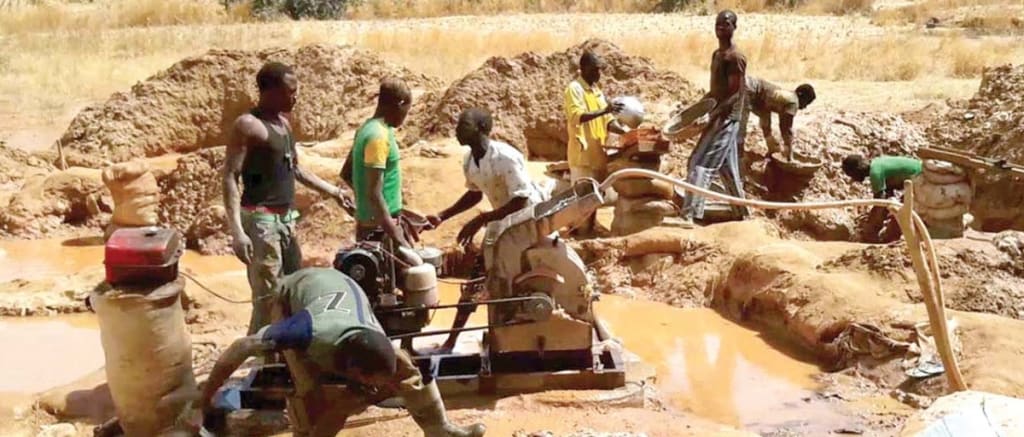
Sand is the most mined material on the planet, a critical resource in construction and manufacturing. In southwestern Cameroon, miners like Yona Elvis dive into murky waters, extracting sand that shapes their lives and homes. This high-demand material, which constitutes about 60% of the sand used in concrete globally, is primarily sourced from riverbeds like the one Elvis works in. As global demand for sand has tripled in the past two decades, the implications for the environment and communities relying on this resource are profound.
Yona Elvis’s home, constructed from the very sand he mines daily, serves as a reminder of his connection to this resource. Along with his family and pet monkey, Curtis, Elvis lives in a modest dwelling just a short walk from the river quarry. Every day, he joins his diving partner, Jumbi, to plunge into the depths of the river, scooping up sand with steel buckets that weigh up to 33 pounds. Despite the dangers of this unregulated profession, they continue their work, driven by necessity.
Elvis's technique, honed over twelve years, involves diving as deep as 23 feet while managing his breath and conserving energy. The murky water prevents visibility, making the task even more perilous. After four hours of labor, Elvis can excavate around nine tons of wet sand, which will be sold to local contractors. Though this income is more than he could earn from fishing, it barely sustains his family of four, forcing them to scrape by on three meals a day.
The river they mine is known for its biodiversity, often referred to as the "river of prawns." However, local fishermen have begun to notice a decline in fish populations, attributed to the incessant sand mining. The delicate balance of the ecosystem is being disrupted, highlighting the hidden costs of this lucrative resource.
While many miners see their work as a means of survival, others, like miner K Sim, approach it with a competitive spirit. K Sim participates in local sand mining tournaments, viewing it as a sport rather than just a job. Inspired by local heroes like Francis Ngannou, Africa’s first heavyweight UFC champion, he dedicates time to physical training, using the sport as a means of empowerment amidst poverty.
The demand for sand is not confined to Cameroon; it is a global phenomenon. Countries like China, the largest consumer of sand, rely heavily on riverbeds for this resource. Boang Lake in Jiangxi province serves as the world's largest sand mine, and satellite imagery illustrates the dramatic alterations to the lake's structure due to relentless extraction. Water levels have fallen abnormally, endangering local wildlife and altering ecosystems.
Similar challenges are observed in Cambodia, where large-scale dredging has led to riverbank collapses and disrupted the delicate balance of local environments. Fishermen like Tinu Uso, who live on the Tonle Sap and Mong rivers, are increasingly finding it challenging to make a living due to the declining fish supply. As sand extraction continues to devastate local habitats, entire communities face the threat of displacement.
In urban areas, such as Cambodia’s capital, sand is fueling a housing boom. Developers have filled in lakes with sand to create prime real estate, evicting long-time residents who depended on these waters for their livelihoods. Despite the economic benefits that sand mining brings, the social and environmental costs are becoming increasingly evident
Rapid urbanization drives the global demand for sand, particularly in developing countries like India, where millions migrate from rural areas to cities in search of better opportunities. The extraction of sand from rivers has led to pollution and habitat destruction, threatening local ecosystems. Yet, many workers pursue this dangerous profession for the potential financial rewards, as earnings can exceed the average daily wage multiple times.
To combat the unsustainable extraction of sand, some companies are beginning to manufacture sand from crushed bedrock, providing an alternative that lessens the burden on natural deposits. This manufactured sand is cleaner and more consistent, but its production can also harm local environments.
As Yona Elvis ends his exhausting workday, he finds solace in camaraderie with his fellow miners. The harsh realities of their profession weigh heavily on them, yet their shared experience and aspirations for a better life drive them to continue their labor. The ongoing global demand for sand highlights the need for sustainable practices and responsible consumption to protect the environment and the lives of those who depend on it.
In the quest for progress and development, it is crucial to consider the broader implications of our resource use and strive for solutions that benefit both people and the planet.
About the Creator
Mariana
I'm a storyteller at heart, weaving narratives that uncover the extraordinary. I write to provoke thought, inspire and stir the soul. Join me in exploring the magic in the mundane, where creativity and passion leave a lasting impact.
Thailand Fertilizer Market Size and Forecast 2025–2033
Thailand Fertilizer Market Outlook The Thailand Fertilizer Market is experiencing a steady and structural transformation as the country strengthens its agricultural base to support food security, exports, and rural livelihoods. According to Renub Research, the market is expected to grow from US$ 1,071.08 million in 2024 to US$ 1,732.51 million by 2033, expanding at a CAGR of 5.50% during 2025–2033.
By Renub Researcha day ago in Earth
Trump Promised to Cut Energy Bills in Half. One Year Later, Has He Delivered?
One year ago, former President Donald Trump made headlines with a bold promise: he would slash Americans’ energy bills by 50%. The pledge was ambitious, aiming to address the dual challenges of rising utility costs and economic strain on households. As energy prices have continued to fluctuate over the past year, the question on everyone’s mind is simple: has Trump delivered on his promise?
By Muhammad Hassan4 days ago in Earth



Comments (2)
Thanks for sharing
Nice information