
The Great African Rift: A Geological Marvel Shaping the Continent's Future
Africa is splitting into Two
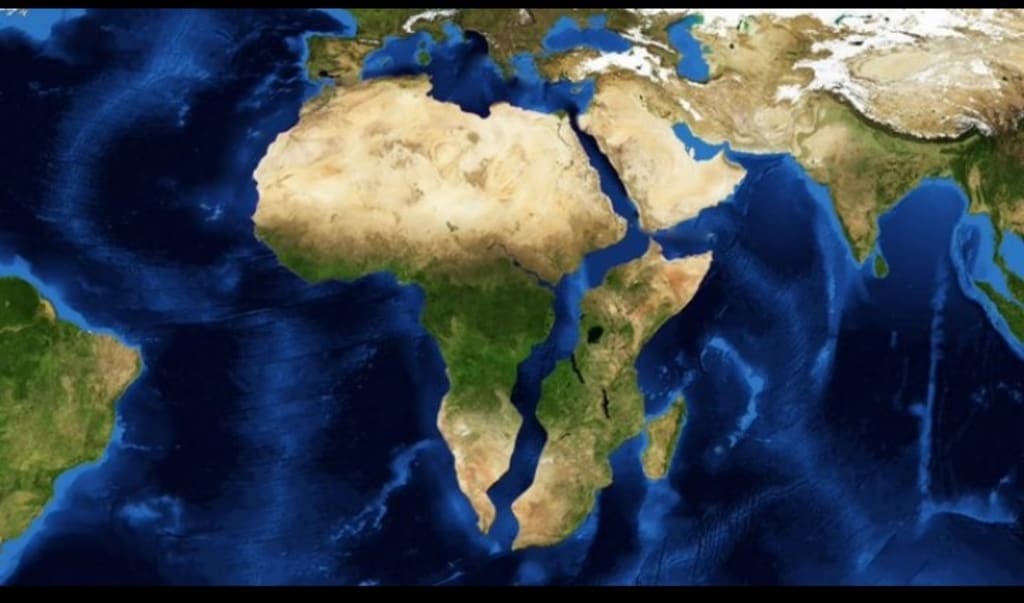
Africa, the second largest continent in the world, is currently undergoing a remarkable geological transformation that will impact all its countries. With its vast landmass, rich cultural heritage, diverse wildlife, and stunning landscapes, Africa has captivated the world for centuries. The ongoing splitting of the continent, known as the Great African Rift, spans an impressive 6,000 kilometers from the Red Sea in the North to Zimbabwe in the South. This geological phenomenon has given rise to mountains, oceans, and a series of fascinating landscapes. In this article, we explore the origins, impacts, and future implications of the Great African Rift.
The Great African Rift can be traced back to the Jurassic period, approximately 150 million years ago, when Africa and South America were part of the supercontinent Gondwana. Over time, the African plate gradually separated from the South American Plate. If you examine the west coast of Africa and the east coast of South America, you will notice how they fit together like two puzzle pieces. This separation led to the formation of the Central African Rift system, the first phase of the Great Rift. As the rift continued to develop, magma from the Earth's mantle filled the gaps, resulting in the formation of volcanoes and landmarks like Mount Kilimanjaro in Tanzania.
The Great Rift Valley consists of two main branches: the Eastern Rift Valley and the Western Rift Valley. The Eastern Rift Valley features elongated lakes, including Lake Victoria, Lake Tanganyika, and Lake Malawi, formed by the downward movement of the Earth's crust. Conversely, the Western Rift Valley is characterized by steep escarpments and deep gorges, such as the impressive Ngorongoro Crater in Tanzania.
Potential impacts of the splitting of Africa:
1. New coastlines: The rift system is creating new coastlines along the eastern edge of Africa. This will open up new opportunities for trade and development, but it will also make the region more vulnerable to natural disasters.
2. Changes in rainfall patterns: The rift system is expected to cause changes in rainfall patterns. This could have a major impact on agriculture and could lead to droughts or floods in some areas.
3. Increased volcanic activity: The rift system is causing increased volcanic activity in the region. This could pose a threat to human life and could damage infrastructure.
4. Displacement of people: The rift system is displacing people from their homes. This is a major social and economic problem that will need to be addressed.
Potential benefits of the splitting of Africa:
1. New economic opportunities: The new coastlines created by the rift system will open up new opportunities for trade and development. The creation of new coastlines offers economic potential, reducing international logistical expenses and opening opportunities for the shipping and fishing industries. Landlocked African countries like Uganda and Zambia will gain coastlines, allowing direct connections to global trade routes.This could lead to increased investment and economic growth in the region.
2. New sources of water: The rift system is creating new lakes and rivers. This could provide new sources of water for drinking, irrigation, and hydroelectric power.
3. New tourism opportunities: Spectacular Landscapes, and continental rifting can create awe-inspiring landscapes, including volcanoes, mountains, and deep valleys. Notable examples include the Grand Canyon in the United States, formed by erosion along a rift system. The emergence of new coastlines will provide Africa with new economic opportunities, including trade ports, fishing grounds, and subsea internet infrastructure, this could boost the local economy and create jobs
4. Impact on Wildlife and Biodiversity: The Great Rift Valley has significant effects on the region's wildlife. The volcanic activity associated with the rift has created nutrient-rich soils, fostering highly productive agricultural lands. The valleys and lakes formed along the rift provide vital water resources for millions of people and support diverse ecosystems with unique plant and animal species.
The Great African Rift is a fascinating geological process that continues to shape the African continent. While it poses challenges to wildlife and human populations in the short term, the long-term benefits in terms of natural resources, biodiversity, and cultural heritage are significant. The rift has played a crucial role in human evolution, provided trade routes, and influenced the continent's geography. As Africa adapts to these geological changes, it will be intriguing to witness how the region transforms and thrives amid this ongoing natural phenomenon.
About the Creator
Keep reading
More stories from Kellen Muguchu and writers in Earth and other communities.
THE PRICEY PRICE OF ROYAL JELLY
Royal jelly is a substance produced by honeybees to feed their larvae. It is a thick, white liquid that is rich in nutrients, including proteins, vitamins, and minerals. Royal jelly has been used for centuries in traditional medicine for its purported health benefits, including boosting the immune system, improving sleep, and reducing stress.
By Kellen Muguchu3 years ago in Earth
“Painful Times in My Marriage” — Melinda French Gates Reacts to Ex-Husband in Epstein Files
Public attention has intensified after comments attributed to Melinda French Gates referenced “painful times” in her marriage while discussions surrounding documents connected to Jeffrey Epstein continue to surface in public discourse. The situation has reignited conversations about accountability, public image, and the long-lasting impact of associations with controversial figures.
By Aarif Lashariabout 8 hours ago in Earth
Beyond the Basic Green: AI's Picks for the Most Stunning Colorful Houseplants
The secret to keeping these botanical jewels radiant isn't just guesswork. By understanding light—the non-negotiable fuel for all plants—and learning to measure it, you can stop struggling and start showcasing. This guide, informed by plant care technology and horticultural expertise, will help you select and sustain the most stunning colorful houseplants.
By Emma Wallaceabout 14 hours ago in Earth


Comments
There are no comments for this story
Be the first to respond and start the conversation.