
The Fascination of Cuteness
Exploring the Phenomenon of Cute Aggression

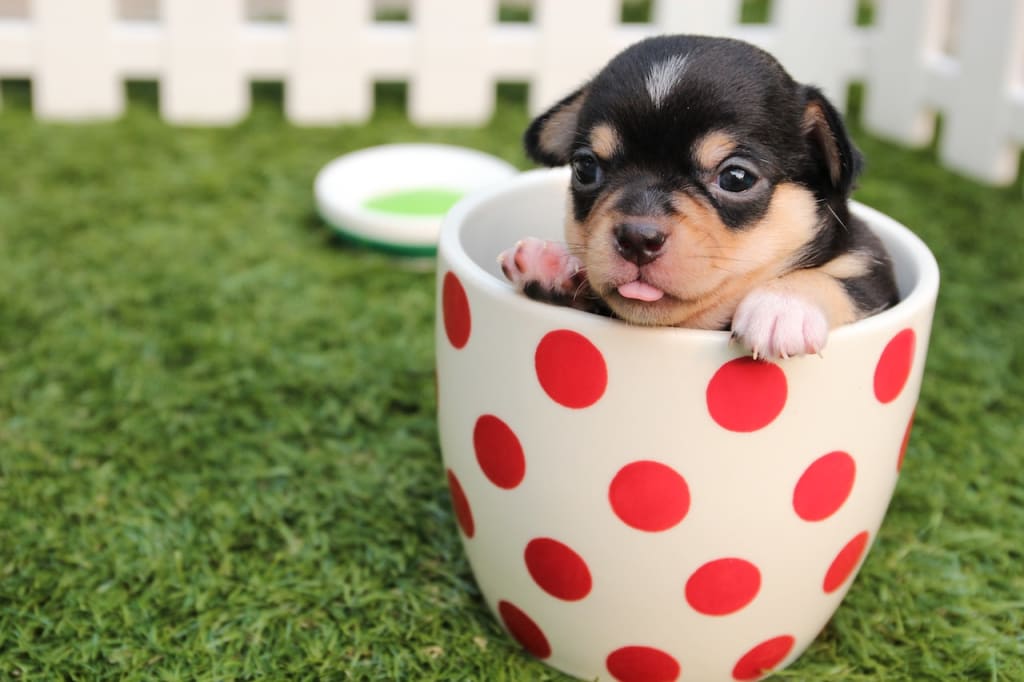
Observing a clumsy little kitten, one might be captivated by its irresistible adorableness. The desire to stroke its soft fur and shower it with kisses is overwhelming. Yet, a conflicting urge may emerge—a peculiar longing to squeeze, smush, or even place it in one's mouth. However, one refrains from acting upon such bizarre instincts and may even feel appalled by their presence. This phenomenon, known as "cute aggression," is surprisingly common, estimated to affect approximately half of all adults, according to psychologists.
To delve deeper into this peculiar behavior, let us begin by understanding the concept of cuteness. In 1943, a scientist devised a "baby schema" that identified specific features associated with cuteness, such as plump cheeks, large eyes, and short limbs. These endearing characteristics, commonly found in young animals, were contrasted with traits perceived as less cute. Extensive research since then has demonstrated that the baby schema aligns consistently with how people perceive cuteness. When participants encounter images containing a higher number of features identified by the baby schema as cute, they tend to gaze at them longer and more frequently. Furthermore, these photos stimulate brain regions associated with emotions and rewards. Cuteness also influences behavior, as evidenced by a 2009 study showing that participants performed better at the game Operation—requiring precise and careful movements—when exposed to cute images beforehand. Another study revealed that people are more likely to use recycling bins adorned with cute images. Recognizing this powerful influence, authorities and advertisers leverage cuteness to manipulate our emotions.
But why does cuteness hold such sway over us? While the exact reasons remain elusive, one theory suggests that cute things instinctively evoke nurturing instincts within us. As human babies are dependent on adult care, it is hypothesized that evolution favored infants who appeared cute and elicited more care and interaction. With a heightened sensitivity to cuteness, we also notice similar features in other species. Notably, as we domesticated animals, their appearances underwent changes too. Scientists have observed a phenomenon termed "domestication syndrome," wherein certain animals gradually adopted more juvenile features as they became more docile. This could be attributed to an embryonic structure called the neural crest, which influences the differentiation and placement of cells during development. Delaying or inhibiting the arrival of these cells in specific areas can result in underdeveloped pituitary and adrenal glands, which govern fear and aggression. It can also lead to physical traits like floppy ears, shorter snouts, and smaller jaws. Hence, selecting for behavioral characteristics such as friendliness may inadvertently select for cuter, more juvenile physical traits.
In essence, as humans selectively bred and domesticated docile dogs, certain breeds began to resemble baby-like features. Some scientists even propose the intriguing idea that we may have domesticated ourselves. The theory suggests that as ancient humans formed larger and more cooperative groups, they favored friendlier individuals. This, in turn, may have influenced physical characteristics that distinguish us from our evolutionary cousins, including rounder skulls and subtler brow ridges.
However, if cuteness is linked to nurturing and decreased aggression, why would anyone experience the desire to squeeze or bite cute things? It is crucial to note that cute aggression does not reflect an actual intention to cause harm. Instead, it appears to stem from emotional overload. Scientists theorize that cute things elicit such intense positive emotions in certain individuals that it becomes overwhelming. As a regulatory mechanism, the brain generates slightly aggressive and discordant thoughts to temper these intense feelings—not to prompt individuals to devour a kitten.
Cuteness may appear trivial and innocent, but it possesses immense and consequential power. To be assertive, cuteness seems to wield a significant influence over the world.
Henrik Leandro
About the Creator
Henrik Leandro Laukholm Solli
Free thinker, traveler and humanist <3
Keep reading
More stories from Henrik Leandro Laukholm Solli and writers in Earth and other communities.
The Ingenious Builders: Unveiling the Wonders of Beaver Dams
Nestled deep within the remote forests of northern Canada lies a marvel of nature—the world's longest beaver dam. Stretching an impressive 850 meters, this castle-like structure curves around the water, leaving a lasting impression even visible from satellite imagery.
By Henrik Leandro Laukholm Solli3 years ago in Earth
A Planet the Size of Earth with an Atmosphere Like Our Own
For centuries, humans have looked up at the night sky and wondered whether Earth is the only world capable of supporting life. Advances in modern astronomy have brought us closer than ever to answering that question. Recently, astronomers announced the discovery of a planet roughly the size of Earth with an atmosphere that appears surprisingly similar to our own. This finding has sparked excitement among scientists and renewed hope that life might exist elsewhere in the universe.
By Irshad Abbasi 7 days ago in Earth



Comments
There are no comments for this story
Be the first to respond and start the conversation.