
The Ingenious Builders: Unveiling the Wonders of Beaver Dams
How Beavers Reshape the Environment and Construct Magnificent Structures


Nestled deep within the remote forests of northern Canada lies a marvel of nature—the world's longest beaver dam. Stretching an impressive 850 meters, this castle-like structure curves around the water, leaving a lasting impression even visible from satellite imagery.
The beavers responsible for constructing and maintaining this dam, along with the subsequent generations, have dramatically transformed the surrounding region. Their efforts have resulted in the creation of a vast pond, holding approximately 70,000,000 liters of water. This substantial aquatic habitat serves as a fitting abode for the industrious architects of this woodland kingdom. However, even smaller dams, just a fraction of the size, can have profound impacts on the environment. So, how exactly do beavers reshape forests, and what goes into building these awe-inspiring structures?
Let us consider a beaver residing in the northwestern United States. Standing at just under two feet tall, this beaver proudly represents the world's second-largest rodent species. While vulnerable to land predators, once he constructs a lodge, he enjoys the safety of a substantial moat. However, not every location is suitable for building a dam. Guided by the sound of running water, our beaver diligently searches through densely wooded areas to find a medium-sized stream with an ideal balance—not too steep or too deep.
After abandoning one potential construction site due to its rocky floor, our beaver discovers a stream with a soft, muddy bottom. Using a combination of vegetation, mud, and sticks, he begins creating a small bank along the stream's edge. Employing a bite force three times stronger than any other mammal of similar size, our beaver chews nearby logs into sturdy sticks. He then rolls them into the water, anchoring them firmly into the soft streambed.
Beaver dams can take various shapes, but our beaver chooses a concave design to dissipate the forceful flow of water. Additionally, he reinforces areas of high water velocity by incorporating large rocks. Depending on factors such as dam length, stream speed, and the number of beavers involved, these dedicated architects can build astonishingly fast. In some cases, when humans have attempted to remove dams, beavers have rebuilt them overnight, sometimes even larger than before. Although our beaver is working alone, his current project, spanning a couple of meters, may take several days to complete. As the structure spans the channel, his watery haven begins to fill up. With the growth of the pond, he extends the dam to block water flowing around the sides. However, some water is intentionally allowed to leak downstream, relieving pressure on the dam and regulating water levels within the pond. The size of the pond determines the extent of the beaver's territory. Capitalizing on their ability to hold their breath for up to 15 minutes, beavers can easily access food along the shoreline. Throughout the fall, our beaver diligently accumulates an impressive supply of food for the winter while also seeking a companion to share it with.
Although beavers are fiercely territorial, they bond for life. When the pond freezes over, our new beaver couple splits their time between making trips to their food cache via the lodge's private entrance and starting a family. Come summertime, the juvenile beavers assist in reinforcing and expanding the dam, gathering food, and keeping an eye on their younger siblings. After two to three years, these young beavers will disperse to find their own territories and mates. Nonetheless, their ancestral dam can last for decades, as maintenance work continues through the descendants of the original colony or new beavers that occupy the area once the reigning family departs. The abundance of neighbors is staggering, with some regions boasting as many as 40 beaver dams per kilometer of stream. This abundance is excellent news for the surrounding wildlife that heavily relies on these semi-aquatic engineers. Beavers' lodges serve as nesting sites and refuges for various species of waterfowl, while the channels they create connect bodies of water, increasing biodiversity in the transitional zones between land and water.
Humans also benefit from the beavers' construction projects. Their ponds play a crucial role in replenishing groundwater stores, in part by creating extensive surface water areas. Additionally, just like their human-made counterparts, beaver dams slow down floodwaters. Therefore, by following their natural instincts, these ecosystem engineers generate significant downstream impacts that benefit both wildlife and human communities.
Unveiling the wonders of beaver dams provides a glimpse into the ingenious abilities of these creatures. Their ability to reshape the environment and construct magnificent structures showcases the immense impact that small yet determined organisms can have on the world around them.
Henrik Leandro
About the Creator
Henrik Leandro Laukholm Solli
Free thinker, traveler and humanist <3
Keep reading
More stories from Henrik Leandro Laukholm Solli and writers in Earth and other communities.
The Gruesome World of Parasitoid Wasps
In the hidden corners of the natural world, a disturbing dance unfolds between parasitoid wasps and their unsuspecting hosts. These tiny, but formidable insects have perfected the art of manipulation, using venom and cunning tactics to turn their victims into living zombies, nurseries for their young, and battlegrounds for survival. As scientists continue to explore this macabre realm, they uncover the astonishing diversity and longevity of these master manipulators—parasitoid wasps, nature's most sinister strategists, have been honing their skills for over 247 million years to give their offspring the best chances of life. Here, we delve into the gruesome and astonishingly complex world of these nightmarish creatures.
By Henrik Leandro Laukholm Solli3 years ago in Earth
Britain in Talks With NATO to Boost Arctic Security
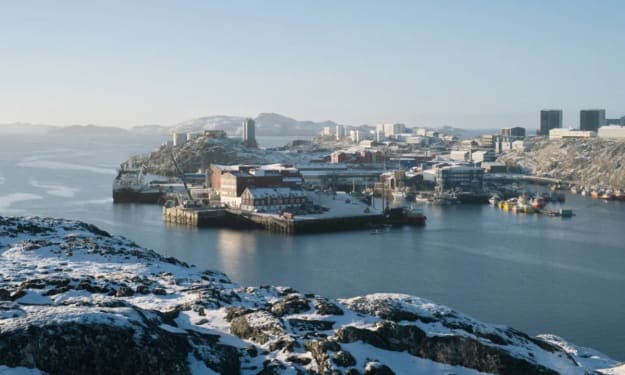
The Arctic Is No Longer a Frozen Backwater For decades, the Arctic sat quietly on the margins of global politics—remote, frozen, and largely ignored. That era is over. Britain is now in talks with NATO to strengthen Arctic security, acknowledging growing risks posed by Russia and China. In a notable shift, London’s assessment aligns closely with warnings long emphasized by Donald Trump, particularly as he continues to express strategic interest in Greenland. What once sounded like an eccentric fixation has evolved into a serious geopolitical conversation. The Arctic is rapidly becoming one of the world’s most contested regions, and Britain is positioning itself to play a larger role. Why Britain Is Paying Attention Now Although the UK is not an Arctic nation, it is an Arctic-adjacent power with significant strategic interests. British officials increasingly view the High North as critical to national and allied security. Melting ice is opening new shipping routes, exposing untapped natural resources, and making military movement easier than ever before. Britain’s talks with NATO focus on intelligence sharing, joint exercises, surveillance capabilities, and protecting undersea infrastructure such as communication cables and energy pipelines. These are not abstract concerns. Any disruption in the Arctic could have immediate consequences for European security and global trade. In short, what happens in the Arctic does not stay in the Arctic. Russia’s Expanding Arctic Footprint Russia is the dominant military power in the Arctic, and it is not slowing down. Moscow has reopened Soviet-era bases, deployed advanced missile systems, expanded its icebreaker fleet, and increased patrols across the region. The Arctic coastline represents a core part of Russia’s nuclear deterrent, making it strategically vital to the Kremlin. From NATO’s perspective, this military buildup creates both risk and uncertainty. Britain, which has long been vocal about Russian aggression—from Ukraine to cyber warfare—sees the Arctic as another front where deterrence must be strengthened before tensions spiral. The concern is not necessarily an immediate conflict, but miscalculation. In a region with harsh conditions and limited communication infrastructure, even minor incidents could escalate rapidly. China’s Quiet but Steady Arctic Ambitions While Russia’s presence is overt, China’s Arctic strategy is more subtle—and equally concerning to Western planners. Beijing calls itself a “near-Arctic state,” a label that has raised eyebrows in Europe and North America. Through investments, research stations, and partnerships, China is laying the groundwork for long-term influence. Britain shares NATO’s concern that China could use civilian projects for dual-use purposes, blending scientific research with intelligence gathering and infrastructure control. As Arctic shipping routes become commercially viable, China’s interest in controlling parts of the supply chain only grows. London’s alignment with these concerns reflects a broader shift in UK foreign policy: China is no longer viewed solely as an economic partner, but as a strategic competitor. Trump, Greenland, and Strategic Reality Donald Trump’s repeated interest in Greenland—most famously his suggestion that the United States should buy it—was widely mocked at the time. Yet behind the headlines was a strategic logic that many Western governments now openly acknowledge. Greenland sits at the heart of the Arctic, hosting vital air and naval routes between North America and Europe. It is also rich in rare earth minerals critical for modern technology and defense systems. As ice recedes, Greenland’s strategic value only increases. Britain’s current position, which aligns with Trump’s warnings about Arctic vulnerabilities, shows how quickly political perceptions can change. What once seemed unconventional now appears prescient. NATO’s Arctic Awakening NATO has traditionally focused on Eastern Europe and the North Atlantic. The Arctic, despite its importance, received less coordinated attention. That is changing. Britain’s talks with NATO reflect a broader alliance effort to integrate Arctic defense into its core strategy. This includes: Increased joint military exercises in cold-weather environments Enhanced monitoring of Russian and Chinese activity Strengthening cooperation with Arctic nations like Norway, Canada, and Denmark Protecting critical undersea and satellite infrastructure For Britain, this is also about credibility. As a leading NATO member and a key military power, the UK wants to demonstrate that it can contribute meaningfully beyond its immediate geography. Climate Change as a Security Multiplier One of the most striking aspects of Arctic security is how closely it is tied to climate change. Melting ice is not just an environmental issue—it is a strategic one. New sea lanes shorten travel between Asia and Europe, while access to oil, gas, and minerals becomes easier. This transformation increases competition and reduces natural barriers that once limited military movement. Britain’s involvement reflects recognition that climate-driven changes are reshaping the security landscape faster than traditional institutions were designed to handle. In this sense, Arctic security is a preview of future global challenges where environmental change and geopolitics collide. Domestic and Diplomatic Balancing Acts Britain’s Arctic engagement is not without challenges. Increased military involvement raises questions about defense spending, priorities, and escalation risks. Diplomatically, London must balance deterrence with dialogue, avoiding actions that could unnecessarily provoke Russia while still protecting allied interests. There is also the question of public awareness. Arctic security lacks the visibility of conflicts like Ukraine, making it harder to sustain political attention. Yet policymakers increasingly argue that prevention is cheaper—and safer—than crisis response. What This Means Going Forward Britain’s talks with NATO mark an important shift in how the Arctic is viewed: not as a distant frontier, but as a central arena in 21st-century security. Agreement with Trump-era assessments on Russia, China, and Greenland underscores how geopolitical realities can outlast political controversies. As competition intensifies, the Arctic will likely become a testing ground for cooperation, deterrence, and strategic foresight. Britain’s involvement signals that mid-sized powers are no longer content to watch from the sidelines. Final Thoughts The Arctic is warming faster than any other region on Earth—and so are the geopolitical tensions surrounding it. Britain’s move to boost Arctic security with NATO reflects a growing consensus that ignoring the High North is no longer an option. Whether driven by Russia’s militarization, China’s quiet expansion, or lessons drawn from Trump’s blunt warnings, one truth stands out: the future of global security may well be shaped at the top of the world, where ice, ambition, and power now intersect.
By Muhammad Hassan6 days ago in Earth
Australia Urea Market Size and Forecast 2025–2033
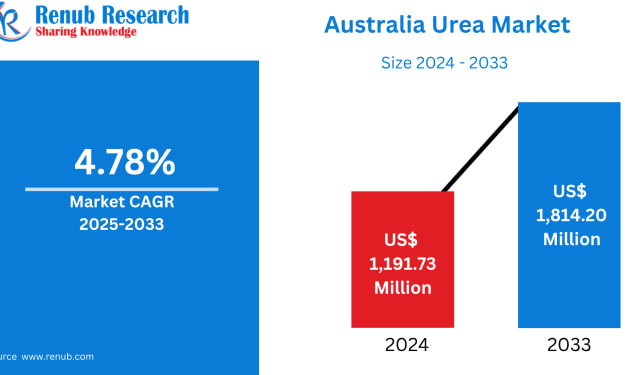
Australia Urea Market Overview The Australian Urea Market is anticipated to reach US$ 1,814.20 million in 2033, up from US$ 1,191.73 million in 2024, growing at a CAGR of 4.78% during 2025–2033, according to Renub Research. This growth is being driven by increasing demand from the agricultural sector for high-nitrogen fertilizers, expanding grain and crop cultivation, and rising government incentives for sustainable farming practices. Import substitution policies and growing interest in domestic production capabilities are also shaping market dynamics.
By Marthan Sir2 days ago in Earth
Miss Persephone's Manual to a Seemingly Ordinary Life
Miss Persephone was found at the dining table, her blue eyes swollen, her tears arriving and retreating like the tides of the ocean. Earlier that day, her family had visited her in the retirement home where she had lived for eight years. It was her eightieth birthday.
By Imola Tóth3 days ago in Fiction


Comments
There are no comments for this story
Be the first to respond and start the conversation.