
The Fascinating World of African Land Snail Eggs
A Closer Look at the African Land Snail


The African land snail, a creature both revered and reviled, is a marvel of nature with a life cycle that captivates scientists, farmers, and curious minds alike. At the heart of its reproductive prowess lies a tiny, often overlooked marvel: its eggs. These small, delicate orbs are the starting point of a journey that can reshape ecosystems, challenge agricultural systems, and spark debates about invasive species management.
Let's dive deep into the world of African land snail eggs, exploring their biology, ecological impact, cultural significance, and the challenges they pose in a globalized world.
A Closer Look at the African Land Snail
Before we delve into the eggs themselves, let’s set the stage by understanding the African land snail, scientifically known as Achatina fulica. Native to East Africa, this large terrestrial mollusk has spread across the globe, from Asia to the Americas, often hitching rides on cargo ships or through the pet trade. With its voracious appetite and rapid reproductive rate, it’s no surprise that Achatina fulica is considered one of the world’s most invasive species. A single snail can lay thousands of eggs in its lifetime, making its eggs a critical factor in its global dominance.
The snail’s ability to thrive in diverse climates, from tropical rainforests to suburban gardens, is tied to its reproductive efficiency. Its eggs, small yet resilient, are the key to its success, allowing populations to explode in new environments with alarming speed. But what exactly are these eggs, and why do they matter?
The Biology of African Land Snail Eggs
African land snail eggs are a study in simplicity and survival. Measuring about 4–5 mm in diameter, these eggs are spherical, slightly translucent, and typically white or pale yellow. Encased in a thin, calcium-rich shell, they are surprisingly durable for their size, capable of withstanding minor environmental stresses. A single clutch can contain anywhere from 20 to 200 eggs, depending on the snail’s age, size, and environmental conditions.

The eggs are laid in moist, sheltered locations—often in loose soil, under leaf litter, or beneath rocks. This preference for damp environments ensures the eggs remain hydrated, as desiccation is one of the few natural threats to their survival. The incubation period varies, typically ranging from 10 to 30 days, influenced by temperature and humidity. In warmer, wetter climates, hatching occurs faster, contributing to the snail’s rapid spread in tropical regions.
What makes these eggs particularly fascinating is their hermaphroditic origin. African land snails are simultaneous hermaphrodites, meaning each individual possesses both male and female reproductive organs. This allows a single snail to self-fertilize in the absence of a mate, producing viable eggs that can kickstart a population from just one individual. This biological quirk is a major reason why Achatina fulica has become a global pest.
The Ecological Impact of Snail Eggs
The sheer volume of eggs produced by African land snails has profound ecological consequences. In their native East African habitats, natural predators like birds, amphibians, and certain insects keep snail populations in check. However, in non-native environments, these predators are often absent, allowing snail populations to grow unchecked. Each clutch of eggs represents a potential invasion, as hatchlings mature quickly and begin reproducing within months.

The ecological ripple effects are staggering. African land snails are notorious for their indiscriminate feeding habits, consuming crops, native plants, and even stucco from buildings to fuel their calcium needs. A single successful clutch can lead to thousands of snails devouring agricultural fields, threatening food security in vulnerable regions. In places like Florida and Hawaii, where the snail has established itself, millions of dollars are spent annually on control measures, often targeting eggs to prevent population booms.
Moreover, the eggs contribute to the displacement of native mollusks. By outcompeting local species for resources, African land snails disrupt ecosystems, altering soil composition and plant communities. The eggs’ resilience means that even small, undetected clutches can survive eradication efforts, making control a Sisyphean task.
Cultural and Economic Significance
Beyond their ecological impact, African land snail eggs hold cultural and economic significance in various parts of the world. In some African communities, the snails are a traditional food source, valued for their protein content. While the eggs themselves are rarely consumed, their abundance supports snail farming, a growing industry in countries like Nigeria and Ghana. Farmers often collect eggs to expand their stock, carefully controlling conditions to maximize hatching success.

In contrast, in regions where the snail is invasive, the eggs symbolize a costly problem. Agricultural sectors in countries like India, Brazil, and Australia face significant losses due to snail infestations. The eggs’ small size and cryptic nature make them difficult to detect, complicating quarantine efforts. For example, a single infested shipment of plants can introduce thousands of eggs to a new region, triggering outbreaks that take years to control.
Interestingly, the eggs have also found a niche in the pet trade. African land snails are popular as low-maintenance pets in some countries, and enthusiasts often seek eggs to start their own colonies. However, this practice has fueled the snail’s spread, as escaped or released pets—and their eggs—establish wild populations.
Challenges in Managing Snail Eggs
Controlling African land snail eggs is a logistical nightmare. Their small size and hidden laying sites make them difficult to locate, and their calcium shells provide protection against many chemical treatments. Manual removal is labor-intensive and often ineffective, as a single missed clutch can undo months of effort. Pesticides, while sometimes used, pose risks to non-target species and can contaminate soil and water.
Biological control methods, such as introducing predatory snails or parasites, have shown mixed results. These approaches risk creating new ecological problems, as introduced predators may target native species. Meanwhile, public awareness campaigns aim to educate communities about the dangers of transporting snails or their eggs, but changing human behavior is a slow process.
One promising avenue is the use of egg-specific traps or baits that target laying sites. Researchers are also exploring environmental manipulations, such as altering soil moisture to discourage egg-laying. However, these methods are still in their infancy, and the battle against African land snail eggs remains ongoing.
Final Thought: The story of African land snail eggs
The story of African land snail eggs is a testament to nature’s complexity and resilience. These tiny, unassuming orbs hold the power to spark ecological upheaval, challenge agricultural systems, and reshape landscapes. Their ability to survive and proliferate underscores the delicate balance of ecosystems and the unintended consequences of human activity. As we confront the challenges of invasive species in a globalized world, the African land snail egg serves as a poignant reminder: even the smallest elements can have profound impacts. By understanding and managing these eggs, we can protect our environment and embrace the intricate wonders of the natural world.
About the Creator
Arjun
Aquarium hobbyist sharing simple, real-world fixes for snail, shrimp, and plant problems. Clear guides, no fluff just practical tips to keep your tank healthy and thriving.
Trump’s Housing Plan Casts Wall Street as the Villain — But He’s Targeting the Wrong Culprit
The American housing crisis has become one of the most emotionally charged issues in modern politics. Homeownership, once seen as a cornerstone of the American Dream, now feels out of reach for millions. Against this backdrop, Donald Trump’s latest housing proposals aim to revive affordability — and they do so by placing Wall Street squarely in the role of villain. At first glance, this message resonates. Large investment firms buying single-family homes, rising rents, and speculative real estate practices have fueled public frustration. But while Wall Street certainly plays a role, Trump’s housing plan risks oversimplifying a complex problem — and by doing so, it may miss the real drivers of America’s housing shortage. What Trump’s Housing Plan Is Trying to Do Trump’s rhetoric on housing centers on a familiar populist theme: powerful financial elites are squeezing everyday Americans out of the market. His plan suggests limiting institutional investors’ influence, loosening regulations, and promoting homeownership through market-friendly reforms. The message is clear and politically effective. By casting Wall Street as the enemy, the plan appeals to working-class voters struggling with high rents and rising mortgage rates. It also fits neatly into Trump’s broader narrative of standing up to elites on behalf of “ordinary Americans.” However, housing affordability is not a single-villain story. It is the result of decades of policy choices, local governance failures, and economic pressures that go far beyond investment firms. Wall Street’s Role Is Real — But Limited There is no denying that large financial institutions have entered the housing market aggressively, especially after the 2008 financial crisis. With access to cheap capital, institutional investors bought distressed homes in bulk, converting many into rental properties. This practice reduced housing supply for individual buyers in certain markets and pushed prices higher in some regions. In cities like Atlanta, Phoenix, and parts of Texas, Wall Street-backed landlords now own a noticeable share of single-family rentals. Yet nationally, institutional investors still own a relatively small percentage of total housing stock. Their presence may amplify affordability problems in specific areas, but they are not the primary cause of the nationwide housing shortage. The Real Crisis: America Doesn’t Build Enough Homes The core problem in U.S. housing is painfully simple: supply has failed to keep up with demand. For decades, America has underbuilt housing. Local zoning laws restrict multi-family construction, height limits constrain density, and lengthy approval processes delay or kill new developments. In many cities, it is illegal to build anything other than single-family homes across vast residential areas. These restrictions are enforced not by Wall Street, but by local governments responding to political pressure from homeowners who oppose new development. This phenomenon, often called “NIMBYism” (Not In My Back Yard), has quietly become one of the biggest barriers to affordable housing. Without addressing zoning and land-use reform, no housing plan — conservative or progressive — can meaningfully lower prices. Interest Rates and Inflation Matter More Than Investors Another factor Trump’s plan largely sidesteps is the role of interest rates. Mortgage rates surged in recent years as the Federal Reserve raised rates to fight inflation. Higher rates dramatically reduce purchasing power, locking many buyers out of the market even when home prices stabilize. Inflation also raises construction costs, from labor to materials, making new housing more expensive to build. Developers, facing tighter margins, often choose luxury projects over affordable units. Blaming Wall Street may be politically convenient, but it does nothing to address these macroeconomic realities that shape housing affordability nationwide. Why Scapegoating Wall Street Misses the Mark Casting Wall Street as the primary villain risks leading policy in the wrong direction. Restricting institutional investors without expanding supply could actually worsen the crisis by discouraging investment in new housing construction. Moreover, focusing on financial elites allows politicians to avoid tougher conversations about local zoning reform, environmental review processes, and community resistance to development — issues that cut across party lines and anger powerful local constituencies. Housing is one of the rare policy areas where both left- and right-leaning economists broadly agree: more supply is essential. Without it, prices will remain high no matter who owns existing homes. A More Effective Housing Strategy If the goal is genuine affordability, a successful housing plan must prioritize: Zoning reform to allow duplexes, apartments, and mixed-use development Faster permitting processes to reduce construction delays Incentives for affordable housing development, not just luxury units Support for first-time homebuyers that does not inflate prices further Infrastructure investment to expand livable areas beyond major cities None of these solutions are politically easy. They require cooperation between federal, state, and local governments — and they lack the simplicity of blaming a single villain. Politics vs. Policy in the Housing Debate Trump’s housing rhetoric reflects a broader trend in American politics: emotionally satisfying narratives often outperform nuanced policy discussions. Wall Street makes for a compelling antagonist, especially in an era of economic anxiety and distrust of large institutions. But housing affordability is not a morality play. It is a structural problem rooted in decades of underbuilding, restrictive local policies, and economic shifts. Solving it requires uncomfortable reforms, not just powerful speeches. Conclusion: The Wrong Villain Won’t Fix the Right Problem Trump’s housing plan taps into real frustration, and it is not wrong to question the growing influence of large investors in residential real estate. However, by framing Wall Street as the central cause of the housing crisis, the plan risks distracting from deeper, more entrenched issues. America’s housing problem will not be solved by targeting a single group. It will only be solved by building more homes, reforming outdated policies, and confronting the political resistance that has long blocked meaningful change. Until then, the American Dream of homeownership will remain just that — a dream — for millions who are still waiting for leaders to address the real problem.
By Muhammad Hassanabout 10 hours ago in Earth
Homes in North Scotland Without Power as Arctic Weather Sweeps the UK
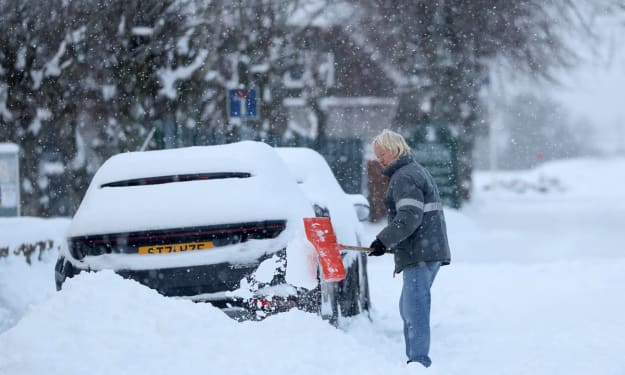
As Arctic air sweeps across the United Kingdom, communities in northern Scotland are bearing the brunt of one of the harshest winter spells in recent years. Sub-zero temperatures, heavy snowfall, and powerful winds have combined to knock out power supplies to thousands of homes, leaving residents facing prolonged outages amid dangerously cold conditions. The extreme weather has once again highlighted the vulnerability of infrastructure in remote regions and raised urgent questions about preparedness in an era of increasingly volatile winters. A Deep Freeze Grips the North The latest cold snap has been driven by an Arctic air mass plunging southwards, bringing temperatures well below freezing across much of the UK. In parts of the Highlands, temperatures have dropped to levels not seen for several winters, with wind chill making conditions feel even more severe. Heavy snow and ice have blanketed roads, while gusts strong enough to down power lines have created widespread disruption. Northern Scotland, known for its rugged terrain and dispersed communities, has been particularly affected. Rural villages and isolated households are often connected by long stretches of overhead power lines, which are highly susceptible to damage from ice buildup and falling trees. As snow accumulated and winds intensified, multiple faults occurred across the network, leaving homes without electricity for hours—and in some cases, days. Power Outages and Daily Life For residents, the loss of power during Arctic conditions is more than an inconvenience. Electricity is essential not only for lighting and communication but also for heating, cooking, and water supply in many modern homes. Without it, indoor temperatures can drop rapidly, posing serious risks to vulnerable groups such as the elderly, young children, and those with health conditions. Many households have had to rely on alternative heat sources such as fireplaces or portable gas heaters, while others sought refuge with relatives or in community shelters. Local authorities and volunteer groups have stepped in to provide support, distributing hot meals, blankets, and updates to those affected. However, the scale of the outages has stretched resources, particularly in remote areas where access is limited by snow-covered roads. Strain on Infrastructure The Arctic blast has once again exposed the fragility of power infrastructure in extreme weather. Much of Scotland’s electricity network, especially in rural areas, still relies on overhead lines rather than underground cables. While overhead systems are cheaper to install and maintain, they are far more vulnerable to storms, heavy snow, and ice. Energy companies have deployed repair crews around the clock, often working in treacherous conditions to restore supplies. Engineers have faced blocked roads, poor visibility, and freezing temperatures, slowing repair efforts. Despite these challenges, utility providers have emphasized that safety must come first, as repairing live lines in severe weather carries significant risks. Travel and Wider Disruption Power outages are only one part of the broader disruption caused by the Arctic weather. Snow and ice have forced road closures across the Highlands and islands, while rail services have been reduced or suspended in some areas. Schools have closed as a precaution, and health services have urged people to avoid non-essential travel. Airports in northern regions have also experienced delays and cancellations, as icy runways and poor visibility complicate operations. For businesses, particularly small enterprises in tourism and agriculture, the weather has delivered another economic blow during what is already a challenging winter period. Climate Change and Colder Extremes While cold snaps are a natural part of the UK’s climate, scientists warn that climate change may be making winter weather more unpredictable and extreme. A warming Arctic can disrupt atmospheric patterns, increasing the likelihood of sudden cold outbreaks like the one currently affecting Scotland. This paradox—where global warming can lead to more intense cold spells—adds complexity to planning and resilience efforts. The current outages have reignited debate about the need to modernize infrastructure to cope with these extremes. Calls are growing for greater investment in underground cabling, improved grid resilience, and community-level backup systems, particularly in regions that are repeatedly affected by severe weather. Community Resilience and the Road Ahead Despite the challenges, stories of resilience and solidarity have emerged from affected communities. Neighbors have checked on one another, shared generators, and opened their homes to those without heat. Local councils and charities have coordinated relief efforts, demonstrating the importance of community networks during crises. Looking ahead, experts argue that lessons must be learned from each severe weather event. Improving early warning systems, strengthening infrastructure, and ensuring clear communication between authorities and residents are all critical steps. For northern Scotland, where extreme weather is a fact of life, building resilience is not optional—it is essential. Conclusion The Arctic weather sweeping across the UK has left homes in northern Scotland without power, disrupting daily life and underscoring the challenges of maintaining essential services during extreme conditions. While emergency responses have helped mitigate the immediate impact, the situation highlights a broader issue: the need for long-term investment and adaptation in the face of a changing climate. As temperatures slowly recover and power supplies are restored, the experience serves as a stark reminder that winter extremes remain a serious threat. For policymakers, energy providers, and communities alike, the message is clear—preparing for harsher, more unpredictable winters must be a priority, not an afterthought.
By Fiazahmedbrohi 4 days ago in Earth



Comments
There are no comments for this story
Be the first to respond and start the conversation.