
Homes in North Scotland Without Power as Arctic Weather Sweeps the UK
Frigid temperatures and heavy snow leave thousands without electricity and disrupt daily life across northern Scotland.”
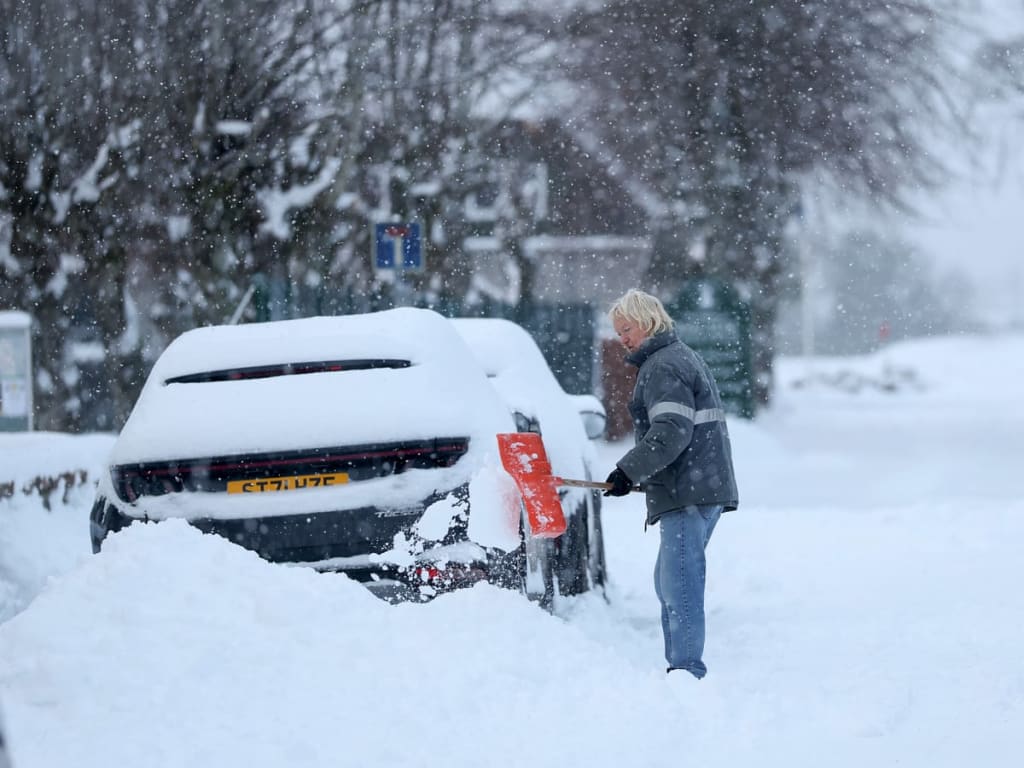
As Arctic air sweeps across the United Kingdom, communities in northern Scotland are bearing the brunt of one of the harshest winter spells in recent years. Sub-zero temperatures, heavy snowfall, and powerful winds have combined to knock out power supplies to thousands of homes, leaving residents facing prolonged outages amid dangerously cold conditions. The extreme weather has once again highlighted the vulnerability of infrastructure in remote regions and raised urgent questions about preparedness in an era of increasingly volatile winters.
A Deep Freeze Grips the North
The latest cold snap has been driven by an Arctic air mass plunging southwards, bringing temperatures well below freezing across much of the UK. In parts of the Highlands, temperatures have dropped to levels not seen for several winters, with wind chill making conditions feel even more severe. Heavy snow and ice have blanketed roads, while gusts strong enough to down power lines have created widespread disruption.
Northern Scotland, known for its rugged terrain and dispersed communities, has been particularly affected. Rural villages and isolated households are often connected by long stretches of overhead power lines, which are highly susceptible to damage from ice buildup and falling trees. As snow accumulated and winds intensified, multiple faults occurred across the network, leaving homes without electricity for hours—and in some cases, days.
Power Outages and Daily Life
For residents, the loss of power during Arctic conditions is more than an inconvenience. Electricity is essential not only for lighting and communication but also for heating, cooking, and water supply in many modern homes. Without it, indoor temperatures can drop rapidly, posing serious risks to vulnerable groups such as the elderly, young children, and those with health conditions.
Many households have had to rely on alternative heat sources such as fireplaces or portable gas heaters, while others sought refuge with relatives or in community shelters. Local authorities and volunteer groups have stepped in to provide support, distributing hot meals, blankets, and updates to those affected. However, the scale of the outages has stretched resources, particularly in remote areas where access is limited by snow-covered roads.
Strain on Infrastructure
The Arctic blast has once again exposed the fragility of power infrastructure in extreme weather. Much of Scotland’s electricity network, especially in rural areas, still relies on overhead lines rather than underground cables. While overhead systems are cheaper to install and maintain, they are far more vulnerable to storms, heavy snow, and ice.
Energy companies have deployed repair crews around the clock, often working in treacherous conditions to restore supplies. Engineers have faced blocked roads, poor visibility, and freezing temperatures, slowing repair efforts. Despite these challenges, utility providers have emphasized that safety must come first, as repairing live lines in severe weather carries significant risks.
Travel and Wider Disruption
Power outages are only one part of the broader disruption caused by the Arctic weather. Snow and ice have forced road closures across the Highlands and islands, while rail services have been reduced or suspended in some areas. Schools have closed as a precaution, and health services have urged people to avoid non-essential travel.
Airports in northern regions have also experienced delays and cancellations, as icy runways and poor visibility complicate operations. For businesses, particularly small enterprises in tourism and agriculture, the weather has delivered another economic blow during what is already a challenging winter period.
Climate Change and Colder Extremes
While cold snaps are a natural part of the UK’s climate, scientists warn that climate change may be making winter weather more unpredictable and extreme. A warming Arctic can disrupt atmospheric patterns, increasing the likelihood of sudden cold outbreaks like the one currently affecting Scotland. This paradox—where global warming can lead to more intense cold spells—adds complexity to planning and resilience efforts.
The current outages have reignited debate about the need to modernize infrastructure to cope with these extremes. Calls are growing for greater investment in underground cabling, improved grid resilience, and community-level backup systems, particularly in regions that are repeatedly affected by severe weather.
Community Resilience and the Road Ahead
Despite the challenges, stories of resilience and solidarity have emerged from affected communities. Neighbors have checked on one another, shared generators, and opened their homes to those without heat. Local councils and charities have coordinated relief efforts, demonstrating the importance of community networks during crises.
Looking ahead, experts argue that lessons must be learned from each severe weather event. Improving early warning systems, strengthening infrastructure, and ensuring clear communication between authorities and residents are all critical steps. For northern Scotland, where extreme weather is a fact of life, building resilience is not optional—it is essential.
Conclusion
The Arctic weather sweeping across the UK has left homes in northern Scotland without power, disrupting daily life and underscoring the challenges of maintaining essential services during extreme conditions. While emergency responses have helped mitigate the immediate impact, the situation highlights a broader issue: the need for long-term investment and adaptation in the face of a changing climate.
As temperatures slowly recover and power supplies are restored, the experience serves as a stark reminder that winter extremes remain a serious threat. For policymakers, energy providers, and communities alike, the message is clear—preparing for harsher, more unpredictable winters must be a priority, not an afterthought.
About the Creator
Keep reading
More stories from Fiazahmedbrohi and writers in Earth and other communities.
UK Weather Live: Ice Warnings Issued Across Country as Britain Braces for Storm Goretti to Bring Heavy Snow
Britain is preparing for a significant weather event as Storm Goretti approaches, bringing forecasts of heavy snow, freezing temperatures, and widespread ice warnings. The UK Met Office has issued alerts across much of the country, urging residents to take precautions and prepare for potentially disruptive conditions over the coming days. From schools to transport networks, authorities are bracing for the impact of the storm, which is expected to hit both urban and rural areas with equal intensity. Storm Goretti: What We Know Meteorologists describe Storm Goretti as a winter system with strong winds and the potential for significant snow accumulation. The storm is forecast to sweep across the UK, starting in the northern regions before moving southwards, leaving a trail of icy roads and hazardous conditions. Snowfall could reach several inches in higher altitudes, while temperatures are expected to drop below freezing in many parts of the country. The Met Office has issued severe weather warnings, including amber alerts for ice, highlighting the risks to both drivers and pedestrians. “We are expecting treacherous conditions on roads and pavements, with black ice forming in the early hours and throughout the day,” warned a spokesperson. “Residents should avoid unnecessary travel where possible and take extra care if venturing outside.” Impact on Travel and Transport Transport services are already feeling the effects of the impending storm. Rail operators have warned of potential delays and cancellations, particularly in northern England and Scotland, where snow is expected first. Airports across the UK are on high alert, with staff preparing to de-ice aircraft and manage potential flight disruptions. Road networks are particularly vulnerable, with authorities advising motorists to plan ahead, drive cautiously, and carry essential winter supplies. Gritting teams have been deployed across the country, but with widespread ice warnings, officials emphasize that caution is still paramount. Emergency services have also increased staffing in anticipation of weather-related accidents and incidents. Public transport users are urged to check service updates regularly, as bus routes and train lines may be altered or suspended depending on local conditions. For commuters, remote working arrangements are recommended where feasible, and schools are considering closures or delayed openings to ensure student safety. Preparing for Storm Goretti Experts recommend that residents take proactive measures to prepare for the storm. This includes checking heating systems, ensuring adequate food and water supplies, and keeping mobile devices charged in case of power outages. Walking and driving in icy conditions can be dangerous, so wearing appropriate footwear, using handrails, and avoiding unnecessary journeys is strongly advised. Local councils and community groups are also mobilizing to support vulnerable populations, including the elderly and those with mobility issues. Volunteers are being organized to deliver essential supplies and check on residents who may be isolated due to snow or ice. The Broader Context: UK Winter Patterns Storm Goretti is part of a pattern of increasingly erratic winter weather affecting the UK in recent years. While Britain typically experiences snow and frost in winter, the intensity and unpredictability of storms have grown, challenging emergency services and infrastructure alike. Climate experts suggest that shifting weather patterns, influenced by global climate change, are contributing to more extreme and sudden weather events across Europe. The combination of heavy snow, ice, and cold temperatures poses risks not only to travel but also to public health. Hypothermia, slips, and falls become more likely, and hospitals often report higher numbers of winter-related injuries during periods of severe weather. Health authorities are therefore reminding the public to stay warm, stay safe, and seek medical attention if needed. Looking Ahead: What to Expect Forecasts indicate that Storm Goretti will continue to affect the UK for several days, with snow accumulation and ice risks persisting into the weekend. The Met Office will continue to issue live updates, with warnings potentially upgraded or extended as conditions evolve. Authorities stress that public vigilance is crucial. Staying informed, taking precautionary measures, and avoiding unnecessary risks are essential to minimizing the storm’s impact. Residents are encouraged to follow official guidance, heed transport updates, and check in on vulnerable neighbors or family members during the storm. In conclusion, Storm Goretti serves as a stark reminder of the challenges that winter weather can bring to Britain. With heavy snow, freezing temperatures, and widespread ice warnings, preparation and caution are key. By staying informed and following official advice, Britons can navigate the storm safely, protecting themselves and their communities as the country weathers yet another severe winter event.
By Fiazahmedbrohi 4 days ago in Earth
Water Scarcity Crisis in a Mountainous Region
The mountains had once been generous. Old villagers used to say that streams sang through the valleys and the soil never cracked under the sun. But seasons changed, and so did the land. Now the mountains stood quiet and dry, their rocky faces watching over a village that struggled to survive.
By Bilal Mohammadi5 days ago in Earth
“Greenland Belongs to Its People”: European Leaders Unite Over Trump’s Threats to Annex Territory
When former U.S. President Donald Trump once again floated the idea of the United States taking control of Greenland, the reaction from Europe was swift, unified, and unmistakably firm. European leaders rallied around a simple but powerful message: Greenland belongs to its people. What might sound like a provocative comment or political theater has instead evolved into a serious international debate about sovereignty, international law, and the future of Arctic geopolitics. This moment has revealed not only Europe’s commitment to defending territorial integrity but also the growing strategic importance of Greenland in a rapidly changing world. A Familiar Idea That Refuses to Disappear Trump’s interest in Greenland is not new. In 2019, he publicly suggested that the United States could purchase the island from Denmark, a proposal that was widely ridiculed and swiftly rejected. Yet years later, similar rhetoric has resurfaced, with Trump arguing that U.S. control of Greenland is essential for national and global security. This renewed discussion came at a sensitive time, amid rising global tensions and growing competition in the Arctic. While Trump has framed the issue as a strategic necessity, European leaders interpreted his remarks as a troubling challenge to long-standing principles of sovereignty and self-determination. Europe’s United Front: An Uncommon Consensus One of the most striking aspects of this episode has been Europe’s collective response. Leaders from major European nations — including France, Germany, Italy, Spain, Poland, the United Kingdom, and Denmark — publicly closed ranks to support Greenland’s autonomy. Their message was unambiguous: borders cannot be changed by pressure, threats, or unilateral ambition. The joint stance emphasized that Greenland’s future is a matter for Greenland and Denmark alone, not external powers. This rare display of unity reflects broader European concerns about preserving the rules-based international order at a time when it feels increasingly fragile. For many European governments, allowing even the suggestion of territorial acquisition to go unchallenged would set a dangerous precedent. Denmark’s Position: Firm, Calm, and Clear Denmark, which governs Greenland as an autonomous territory within the Kingdom of Denmark, responded with particular clarity. Danish officials reiterated that Greenland is not for sale and never has been. Denmark’s leadership stressed that Greenland already enjoys extensive self-governance and that any future decisions — including full independence — belong to the Greenlandic people. From Copenhagen’s perspective, the U.S. already benefits from strategic cooperation in the region through NATO and existing defense agreements, making the idea of annexation both unnecessary and inappropriate. The Most Important Voice: Greenland Itself While global powers debated Greenland’s strategic value, Greenlandic leaders were quick to assert their own agency. Greenland’s government firmly rejected Trump’s remarks, describing them as unacceptable and dismissive of the island’s democratic rights. Greenland’s population, numbering just under 60,000, has long navigated the complexities of autonomy, identity, and post-colonial history. Although there is internal debate about eventual independence from Denmark, there is little appetite for becoming part of another foreign power. For Greenlanders, the issue is not just about geopolitics — it is about dignity, self-determination, and respect. Why Greenland Matters More Than Ever Greenland’s rising prominence on the world stage is not accidental. As climate change accelerates Arctic ice melt, the region is becoming more accessible and economically attractive. Greenland is believed to hold vast reserves of rare earth minerals, oil, and gas — resources critical for modern technology and the global energy transition. Strategically, Greenland occupies a vital position between North America and Europe. It plays a key role in missile defense systems, Arctic surveillance, and emerging shipping routes. As competition intensifies between the United States, Russia, and China in the Arctic, Greenland has become a focal point of strategic calculations. Yet European leaders argue that strategic value does not override international norms. In their view, security cooperation must be based on partnership, not ownership. A Test for NATO and Western Alliances Trump’s comments have also sparked uncomfortable conversations within NATO. Denmark and the United States are long-standing allies, and Greenland already hosts important U.S. military facilities. The idea that one NATO member could publicly entertain annexing territory associated with another ally has raised questions about trust and cohesion within the alliance. For Europe, defending Denmark and Greenland is not only about geography — it is about ensuring that alliances are built on respect rather than coercion. What This Moment Really Represents At its core, the Greenland controversy is about more than one island. It reflects the broader struggle between power politics and principles. Europe’s response signals that, despite internal differences, it remains committed to defending sovereignty, democratic choice, and international law. In a world increasingly shaped by competition over resources and strategic positions, this episode serves as a reminder that smaller nations and territories cannot be treated as bargaining chips. Final Thoughts By standing firm and declaring that “Greenland belongs to its people,” European leaders have sent a message that resonates far beyond the Arctic. It is a statement about values, about history, and about the kind of global order Europe wants to defend. As geopolitical tensions continue to rise, the Greenland debate may prove to be a defining moment — one that shows whether the principles of sovereignty and self-determination still hold weight in an era of strategic rivalry. For now, Europe’s answer is clear: Greenland’s future will be decided in Greenland, not Washington.
By Muhammad Hassan5 days ago in Earth


Comments
There are no comments for this story
Be the first to respond and start the conversation.