
The Elephant Family
Discovering the Complexities of Their Social Structure.

The Elephant Family: Discovering the Complexities of Their Social Structure
Elephants, with their massive size and gentle demeanor, have long captured the fascination and admiration of people around the world. These intelligent creatures possess a remarkable social structure that is both intricate and fascinating. Within the elephant family, a complex web of relationships and hierarchies exists, shaping their interactions and behavior.
At the heart of the elephant social structure is the family unit, consisting of a matriarch, her daughters, and their offspring. Female elephants, known as cows, typically spend their entire lives within their natal family, forming strong bonds with their female relatives. These family groups can consist of as few as three elephants or as many as 20, creating a tightly knit network of individuals.
The matriarch, usually the oldest and most experienced female, assumes a crucial leadership role within the family. She possesses an extensive knowledge of the landscape, water sources, and migration routes, which she shares with her offspring. The matriarch's wisdom is vital for the survival of the group, as she guides them in times of scarcity or danger.
Beneath the matriarch, a hierarchy exists among the female elephants, with the eldest daughters often holding prominent positions. This hierarchical structure is based on dominance and is maintained through physical displays of power and vocal communication. However, it's important to note that the hierarchy is not rigid and can change over time, depending on factors such as age, experience, and reproductive status.
While the female elephants form the core of the social unit, male elephants, or bulls, have a different social dynamic. Bulls typically leave their natal group during adolescence and venture off on their own or join a loosely structured bachelor herd consisting of other males. These bachelor herds provide a supportive environment for young males to socialize, learn essential skills, and develop their strength.
However, the bachelor stage is not permanent for all males. Some eventually become solitary bulls, wandering alone across vast territories in search of mates. During the mating season, known as musth, bulls experience a surge in testosterone, which brings about heightened aggression and an intense desire to mate. Musth bulls engage in fierce competition for access to receptive females, leading to dramatic displays of dominance and power.
The elephant social structure extends beyond the family and bachelor groups. These majestic creatures also engage in social interactions with neighboring herds. When different families cross paths, they engage in greeting rituals, which involve touching, smelling, and vocalizing. These interactions allow elephants to exchange information about resources, reproductive opportunities, and potential threats, fostering a sense of community within the broader elephant society.
The complexities of the elephant social structure are further highlighted by their intricate communication system. Elephants possess a wide range of vocalizations, including rumbling, trumpeting, and roaring, which convey different messages to other members of their group. They also communicate through visual signals, such as ear movements, trunk gestures, and body postures, enabling them to convey emotions, intentions, and warnings effectively.
Understanding the social structure of elephants is crucial for conservation efforts and the well-being of these magnificent creatures. Disruptions to their social dynamics, such as poaching or habitat loss, can have profound effects on their behavior and overall welfare. By recognizing the importance of preserving their social networks, we can better protect and ensure the survival of these iconic animals.
In conclusion, the social structure of elephants is a marvel of complexity and cooperation. From the strong bonds between female relatives to the dynamic relationships among males, elephants exhibit a profound sense of community. By delving deeper into their social intricacies, we gain a greater appreciation for these gentle giants and their role in maintaining the delicate balance of the natural world.
About the Creator
Ayaanahamed
Blogs Writer......
Keep reading
More stories from Ayaanahamed and writers in Earth and other communities.
The Fascinating World of Elephants
The Fascinating World of Elephants: Facts and Insights Elephants are majestic creatures that have captivated human fascination for centuries. With their massive size, gentle demeanor, and intricate social structures, they hold a special place in both our natural world and cultural heritage. Let us delve into the intriguing world of elephants and explore some fascinating facts and insights about these incredible animals.
By Ayaanahamed3 years ago in Earth
Global Markets on Alert as Europe Suspends Approval of US Trade Deal
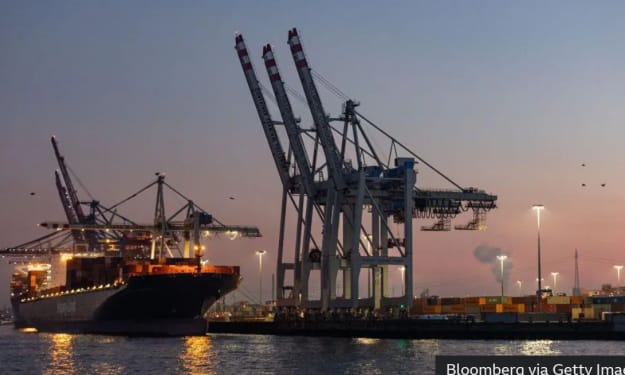
Global financial markets are on high alert following Europe’s announcement that it will suspend approval of a major US trade deal, a decision that has sent shockwaves across stock exchanges, currency markets, and investment forums worldwide. The move comes amid growing concerns over trade imbalances, regulatory disputes, and geopolitical tensions between the United States and European Union. Economists warn that the suspension could create ripple effects across global supply chains, impacting everything from manufacturing and energy to technology and agriculture. The Trade Deal in Question The US-EU trade agreement, intended to streamline tariffs, boost investment, and harmonize regulations between the two economic powerhouses, had been widely anticipated as a game-changer for transatlantic commerce. Negotiations had taken years, with both sides seeking to protect sensitive industries while opening markets for goods and services. However, Europe’s decision to halt the deal reflects mounting concerns over the potential impact on domestic industries and regulatory standards. EU officials cited the need for further review of compliance with environmental, labor, and consumer protection regulations before giving the agreement a green light. While not a full cancellation, the suspension introduces uncertainty and highlights the fragility of international trade negotiations in the current geopolitical climate. Immediate Market Reactions Financial markets reacted swiftly. Stock indices in Europe, the US, and Asia experienced volatility as investors recalibrated expectations for corporate earnings, trade flows, and economic growth. Commodity markets, particularly oil and agricultural products, also saw price fluctuations as supply chain uncertainties increased. The US dollar strengthened slightly against major currencies, reflecting investor demand for perceived “safe-haven” assets amid uncertainty. Meanwhile, European stock markets experienced moderate declines, particularly in sectors most dependent on transatlantic trade, such as automotive, aerospace, and industrial machinery. Investment analysts caution that this volatility may persist as both sides negotiate next steps. Market participants are monitoring political statements, regulatory filings, and industry responses closely to gauge the potential timing and scope of any eventual agreement. Broader Economic Implications Beyond immediate market movements, the suspension of the trade deal could have broader consequences for global economic growth. Reduced trade flows between the US and EU may affect multinational companies that rely on predictable tariffs and harmonized regulations. Sectors such as technology, pharmaceuticals, and energy could face delays in approvals, increased costs, or regulatory conflicts. Emerging markets may also feel the impact indirectly. Many countries are linked to transatlantic supply chains, exporting components, raw materials, or services to Europe or the United States. Any slowdown in EU-US trade could ripple through global production networks, affecting economic growth and employment in distant regions. Political Dimensions The suspension is not purely economic; it also has significant political implications. EU leaders are facing domestic pressures to safeguard industries, protect workers, and maintain environmental and safety standards. At the same time, US officials are emphasizing the strategic benefits of transatlantic cooperation and the risks of prolonged uncertainty. This tension underscores the broader challenge of balancing national interests with the benefits of globalization. Trade agreements are rarely purely transactional; they carry social, political, and environmental stakes. Europe’s decision to pause approval reflects a cautious approach in a time of global volatility, including ongoing geopolitical conflicts, energy security concerns, and fluctuating financial markets. Expert Analysis Economists and trade experts suggest that while the suspension introduces short-term uncertainty, it does not necessarily mean the collapse of the US-EU trade agreement. “This is a temporary pause,” says Dr. Elena Fischer, an international trade analyst. “Europe wants to ensure that the deal aligns with regulatory and sustainability standards. Once concerns are addressed, there is a strong likelihood that negotiations will resume and the agreement will eventually move forward.” Others, however, warn that delays could embolden protectionist tendencies and encourage other nations to reconsider or renegotiate trade agreements. The current global environment—marked by rising inflation, energy price volatility, and ongoing geopolitical tensions—makes international cooperation more complex than ever. Industry Responses Businesses on both sides of the Atlantic are closely watching the developments. Large multinational corporations have expressed concern about the potential for regulatory divergence, increased compliance costs, and disrupted supply chains. Some industries, such as automotive manufacturers and tech companies, rely heavily on synchronized regulations and predictable tariffs to maintain profitability. Trade associations are urging governments to provide clarity and timelines to prevent prolonged uncertainty. Investors, meanwhile, are adjusting portfolios to hedge against potential volatility, emphasizing sectors that may be less affected by transatlantic trade fluctuations. Potential Next Steps The path forward likely involves further negotiation, regulatory review, and stakeholder consultations. European officials have indicated that they are committed to maintaining high environmental and labor standards, while US negotiators are advocating for rapid approval to support economic growth and stability. Observers expect a period of careful diplomacy, with both sides balancing domestic pressures against broader economic and strategic interests. While the market may continue to experience volatility, experts suggest that clarity will eventually emerge, either in the form of a revised deal or a timeline for approval. Conclusion The suspension of the US-EU trade deal serves as a stark reminder of the delicate balance in global economic relations. Markets respond instantly to news and sentiment, while underlying economic, political, and regulatory considerations unfold more slowly. Investors, businesses, and policymakers must navigate these uncertainties carefully, weighing risks and opportunities in an interconnected world. As Europe pauses to ensure compliance and protect domestic interests, the global community watches closely. The resolution of this trade issue will not only shape transatlantic commerce but could influence global trade norms, investor confidence, and economic growth for years to come. For now, the message is clear: in an era of complex international relationships, vigilance and strategic foresight are paramount for global markets.
By Muhammad Hassana day ago in Earth
Turning Waste into Worth: Plastic Pyrolysis in the Circular Economy
Plastic pollution has become one of the defining environmental challenges of our time. From overflowing landfills to microplastics in oceans, the traditional “take–make–dispose” model is no longer sustainable. In response, the concept of the circular economy has gained global attention, aiming to keep materials in use for as long as possible while reducing waste. Among the emerging technologies supporting this transition, plastic pyrolysis stands out as a promising solution.
By Bestonpyrolysisabout an hour ago in Earth



Comments
There are no comments for this story
Be the first to respond and start the conversation.