
The Climate Crisis: Addressing Global Warming for a Sustainable Future
Understanding the Causes, Impacts, and Solutions to One of Humanity’s Greatest Challenges
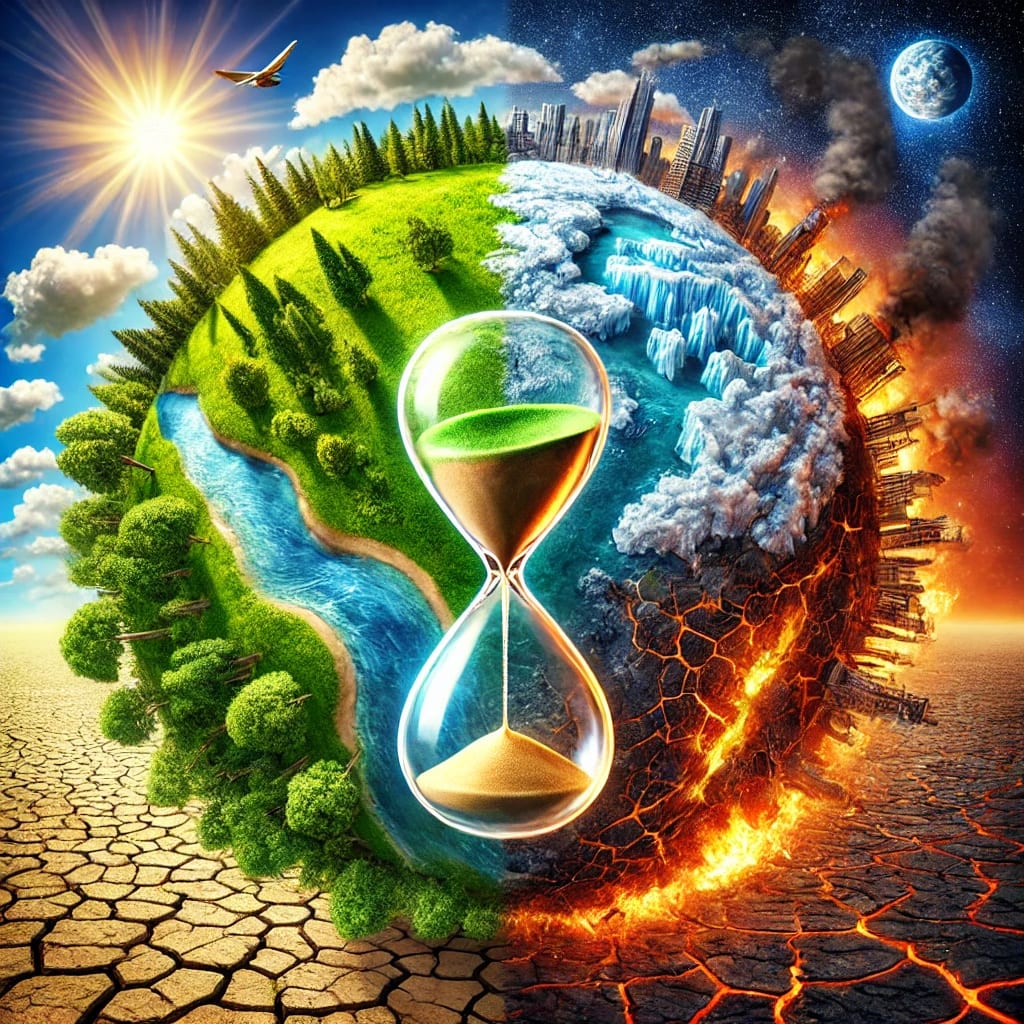
Introduction
Climate change and global warming have become two of the most pressing issues of our time, threatening ecosystems, economies, and societies worldwide. These interconnected phenomena, driven largely by human activities, have altered weather patterns, disrupted ecosystems, and jeopardized the health and well-being of millions. This article explores the science behind climate change, the tangible impacts of global warming, and the urgent need for collective action to mitigate these threats and build a sustainable future.
Understanding Climate Change and Global Warming
Climate change refers to long-term alterations in temperature, precipitation, wind patterns, and other elements of the Earth's climate system. Global warming, a significant aspect of climate change, denotes the rise in Earth's average surface temperature due to increased concentrations of greenhouse gases (GHGs) in the atmosphere.
Since the Industrial Revolution, human activities such as burning fossil fuels, deforestation, and industrial processes have released enormous quantities of carbon dioxide (CO₂), methane (CH₄), and nitrous oxide (N₂O). These gases trap heat in the atmosphere, creating a "greenhouse effect" that warms the planet.
Key statistics highlight the gravity of the issue:
- The global average temperature has risen by approximately 1.1°C since pre-industrial times.
- Atmospheric CO₂ levels have surpassed 420 parts per million, the highest in at least 800,000 years.
- Current warming trajectories suggest a temperature rise of 2.7°C by 2100 without significant intervention.
Impacts of Global Warming
The consequences of global warming are multifaceted and far-reaching, affecting natural syste, economies, and human livelihoods.
1.Rising Sea Levels
As glaciers and ice sheets melt, and oceans expand due to warming, global sea levels are rising at an unprecedented rate. Coastal communities face increased risks of flooding, storm surges, and erosion. The Maldives, Bangladesh, and small island nations are particularly vulnerable to submersion.
2. Extreme Weather Events
Global warming amplifies the frequency and intensity of extreme weather events. Prolonged heatwaves, intense hurricanes, and severe droughts disrupt agricultural productivity, damage infrastructure, and displace communities. For example, the 2023 European heatwave caused record-breaking temperatures, wildfires, and economic losses.
3.Ecosystem Disruption
Rising temperatures and shifting precipitation patterns threaten biodiversity. Coral reefs, often referred to as the "rainforests of the sea," are bleaching due to warming oceans. Terrestrial species struggle to adapt to rapidly changing habitats, leading to migration, population decline, or extinction.
4.Human Health Challenges
Global warming exacerbates health risks through heat-related illnesses, the spread of vector-borne diseases, and respiratory problems caused by air pollution. The World Health Organization estimates that climate change will result in 250,000 additional deaths annually between 2030 and 2050.
5.Economic Costs
The economic toll of climate change is staggering. Damage to infrastructure, reduced agricultural yields, and disaster recovery efforts strain national budgets. In 2021 alone, the United States experienced 20 weather-related disasters, each causing over $1 billion in damages.
The Role of Human Activity
Human activities are the primary drivers of climate change. The largest contributors include:
- Energy Production:Fossil fuels account for about 75% of global GHG emissions.
- Deforestation:Forests act as carbon sinks, absorbing CO₂. Clearing forests for agriculture or development releases stored carbon into the atmosphere.
- Agriculture:Livestock farming generates significant methane emissions, while the use of synthetic fertilizers releases nitrous oxide.
- Transportation:The burning of gasoline and diesel fuels contributes heavily to CO₂ emissions.
Efforts to reduce emissions require addressing these sectors through innovation, regulation, and behavior change.
Global Initiatives to Combat Climate Change
1.The Paris Agreement
Adopted in 2015, the Paris Agreement aims to limit global warming to below 2°C above pre-industrial levels, with efforts to restrict it to 1.5°C. Countries commit to nationally determined contributions (NDCs) outlining their emission reduction targets.
2.United Nations Sustainable Development Goals (SDGs)
Goal 13 focuses on climate action, emphasizing mitigation, adaptation, and international cooperation.
3.Renewable Energy Transition
Solar, wind, and hydropower are rapidly gaining traction as cleaner alternatives to fossil fuels. Investments in renewable energy not only reduce emissions but also create jobs and enhance energy security.
4. Reforestation and Conservation
Reforestation projects and conservation efforts help restore ecosystems, enhance biodiversity, and sequester carbon. Initiatives like the Trillion Tree Campaign aim to plant billions of trees worldwide.
5.Technological Innovations
Emerging technologies such as carbon capture and storage (CCS), electric vehicles (EVs), and energy-efficient buildings offer promising solutions to curb emissions.
Individual and Community Actions
While systemic change is essential, individuals and communities play a critical role in combating climate change.
- Reduce Carbon Footprint:Opt for public transport, carpooling, or cycling; conserve energy by using energy-efficient appliances and turning off unused electronics.
- Adopt Sustainable Lifestyles:Reduce waste, recycle, and consume locally sourced, plant-based foods.
- Support Climate Advocacy:Join organizations and movements advocating for stronger climate policies.
- Educate and Inspire:Spread awareness about climate change within your community and encourage sustainable practices.
Barriers to Progress
Despite widespread awareness, several challenges hinder meaningful action against climate change:
- Political Resistance:Climate policies often face opposition due to economic or ideological factors.
- Economic Dependencies: Many economies are heavily reliant on fossil fuels, complicating the transition to renewable energy.
- Public Perception:Misconceptions about climate science and a lack of urgency contribute to inaction.
- Global Inequality:Developing nations require financial and technological support to implement climate solutions.
The Path Forward
The window of opportunity to address climate change is narrowing, but hope remains. Scientists assert that limiting warming to 1.5°C is still achievable with ambitious, immediate action. Governments, businesses, and individuals must work collaboratively to transform energy systems, protect ecosystems, and adapt to unavoidable changes.
Key priorities include:
- Decarbonization:Phasing out fossil fuels and transitioning to renewable energy.
- Climate Adaptation:Building resilient infrastructure, safeguarding water resources, and ensuring food security.
- Equity and Justice:Supporting vulnerable communities through fair climate policies and financial assistance.
Conclusion
The fight against climate change and global warming is not just an environmental imperative but a moral obligation to future generations. The actions we take today will determine the quality of life on Earth for centuries to come. By embracing innovation, fostering cooperation, and prioritizing sustainability, humanity can overcome this crisis and build a resilient, thriving planet for all.
About the Creator
Early March 2026: 4 Goals Accomplished
It's early March and I've now accomplished my 4th writing goal for the year of 2026. Before diving into the behind-the-scenes of it... why not tell you up front what that accomplishment was? I was published in a 2nd publication for this year. Published in Helix Literary Magazine out of Central Connecticut State University. You can read it for free right now!
By Stephen Kramer Avitabile6 days ago in Writers



Comments
There are no comments for this story
Be the first to respond and start the conversation.