
The Benefits of Rainwater
Benefits of Drinking Rainwater For Your Body

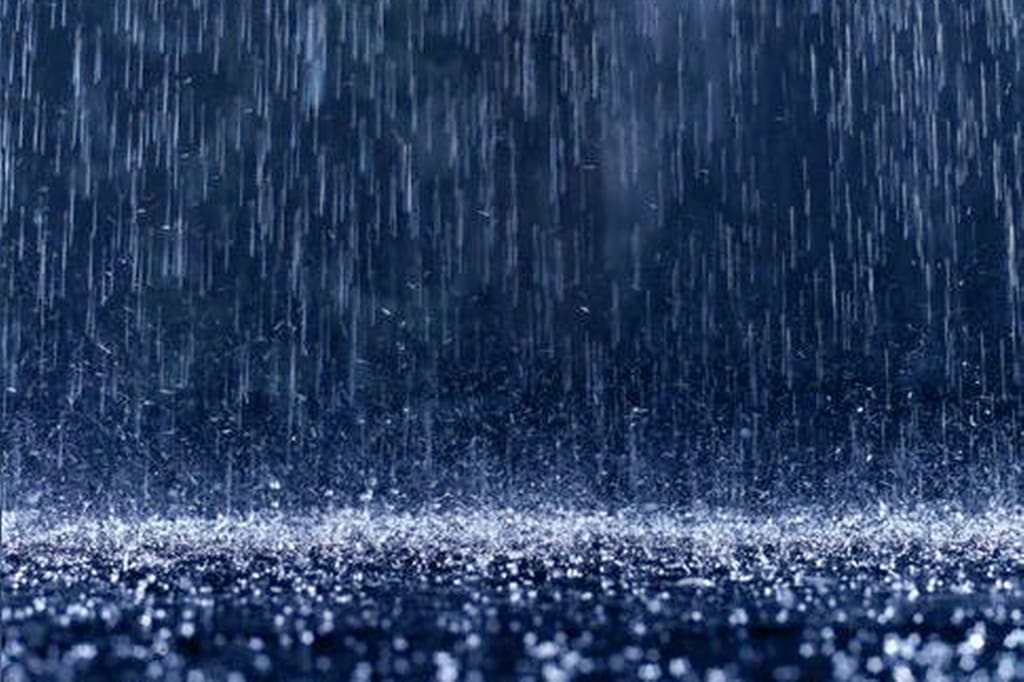
There are a number of benefits that the body gains from rainwater versus water from other sources, such as wells, springs, and municipal facilities. Firstly, as most people will notice quickly, it is soft water. This means it has a very low dissolved mineral content. In most parts of the world, municipal or city water is treated with chemicals such as chlorine or fluorine in order to kill germs, pathogens, bacteria, viruses, and so on.
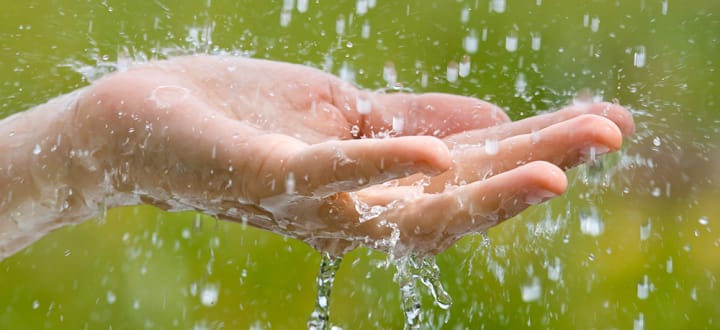
The problem with this is that when these are added to the water supply they can lead to health issues in many people. This happens in nearly any municipality or city water treatment facility. While it is extremely common and widespread, it is not entirely safe. Many people experience significant side effects from these, and other added chemicals. These problems can include gastritis, chronic headaches, and even damage to the internal organs and reproductive systems.
Rainwater avoids this problem with an incredibly low dissolved mineral salt content, close to zero. Because the water is so soft, it promotes healthy hair and skin. The low mineral content means that it is very gentle on the hair and skin and does not remove the most natural and essential oils and moisture.
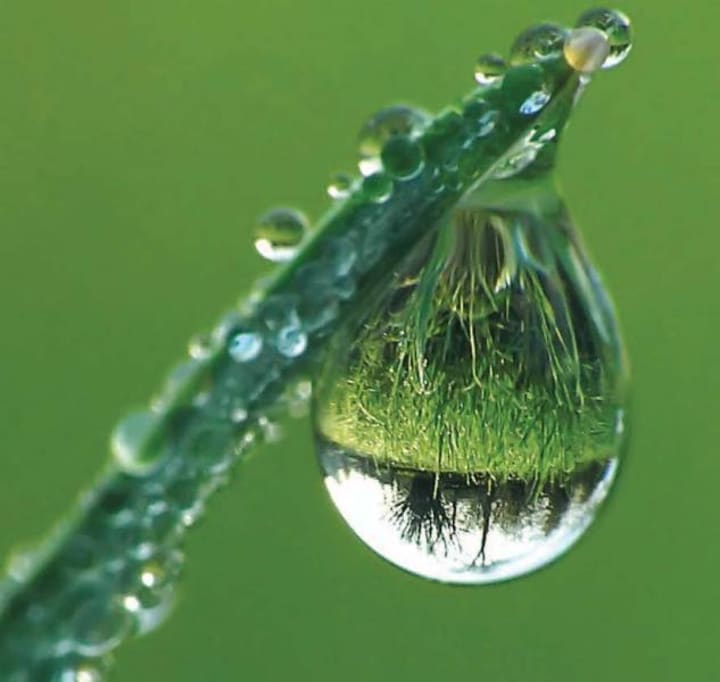
The alkaline pH of rainwater generally helps your body as it has a general detoxifying effect as well as promotes healthy digestion processes. Every day we absorb free radicals and various toxins that create acidity in our blood. This acidic blood prevents our body from functioning optimally, but by consuming rainwater, the pH of the blood becomes more alkaline. This allows many body functions to happen more efficiently.
How rainwater consumption benefits the planet?
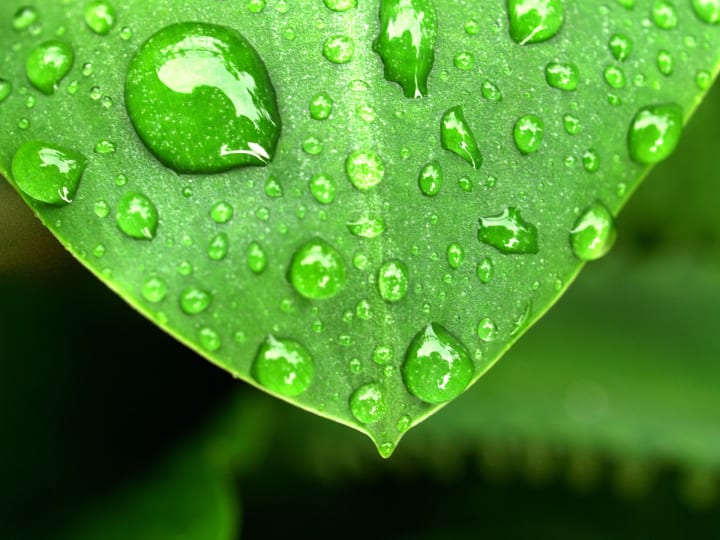
- Consuming rainwater over almost any other source of water is one of the most beneficial ways to consume water on our planet. By collecting water directly from the source, less stress is placed on the groundwater itself. Local aquifers, wells and springs remain untouched. Although on an individual scale this may not seem like much, when extrapolated to companies that produce bottled water, it can have an incredible impact.
- Companies that use municipal water for their bottled water products will often not make many changes to that water and will often only act as bottlers. This not only leads to the use of water that may contain chlorine or fluoride, but may also have many other contaminants that are allowed in different amounts by health authorities. These may include heavy metals and even pharmaceuticals that have been dumped and leached into the groundwater.
Rainwater Benefits
How Drinking Rainwater Benefits The Planet
- Drinking rainwater over just about any other source of water is one of the most beneficial ways to consume our planet’s water. By harvesting water directly from the source, less stress is placed on the water table itself. Local aquifers, wells, and springs remain untouched. While on the individual scale this may not seem like much, when it is extrapolated to companies producing bottled water, it can have an incredible impact.
- Companies that leverage municipal water for their bottled water products will not often make many changes to that water, and they will often only act as a bottler. This not only leads to water being used that may have chlorine or fluorine in it, but it may also have numerous other contaminants that are allowed in varying amounts by health authorities. These can include heavy metals and even pharmaceuticals that have been discarded and leached into the water table.
- There are also companies that exploit private springs or wells as their source of water for bottling. This creates a number of problems. Not only does the company need to construct extraction and pumping equipment to get the water out of the ground, but once that is done, the water they extract can have a devastating effect on the local water table.
- This can cripple local water features and even result in wildlife impact. If water sources for local fauna dry up then the animals must relocate, which can cause encroachment on human habitat, as well as endangering and even extinction of the animals over longer periods.
Rainwater collected
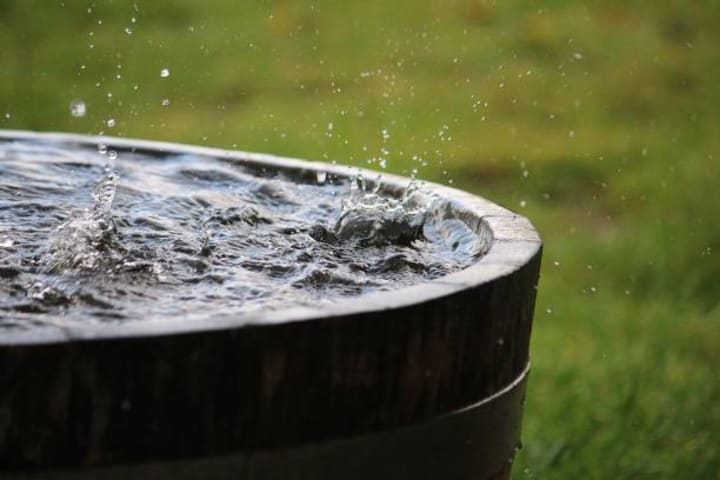
- Rainwater can also be collected wherever it rains heavily. This means that there is no need to put any pressure on locations or regions where rain may be a rarer commodity and groundwater a more delicate balance. They can be used in regions with heavy and heavy rainfall for most of the year, which means that more water can be harvested with a proportionally smaller carbon footprint.
- Rainwater harvesting can also be used in areas that suffer from too much rain. Especially in locations that may have a problem with leakage or drainage. Rainwater harvesting can be used to remove some of the water's ability to penetrate sufficiently into the ground to facilitate flooding and runoff. Although prevention is not possible, it can be reduced to the point where soil drainage is able to keep up with rainfall.
About the Creator
Chinese Planetary Engineering: The Great Green Wall and the Reclamation of Climate
There are junctures in history where a civilization no longer chooses between comfort and progress, but between adaptation and extinction. At the dawn of the new millennium, China hit one of those silent thresholds where geography ceases to be a backdrop and becomes an adversary. The desert was advancing, not as a metaphor for decay, but as a physical, methodical, and relentless force. Sand was devouring the horizon, winds grew heavy with dust, and the soil lost its fertile memory, taking with it the promise of social stability.
By Laurenceau Porte2 days ago in Earth



Comments
There are no comments for this story
Be the first to respond and start the conversation.