
The Astonishing World of the Axolotl (Ambystoma mexicanum)
Unveiling the Mysteries of the Mexican Walking Fish

Introduction
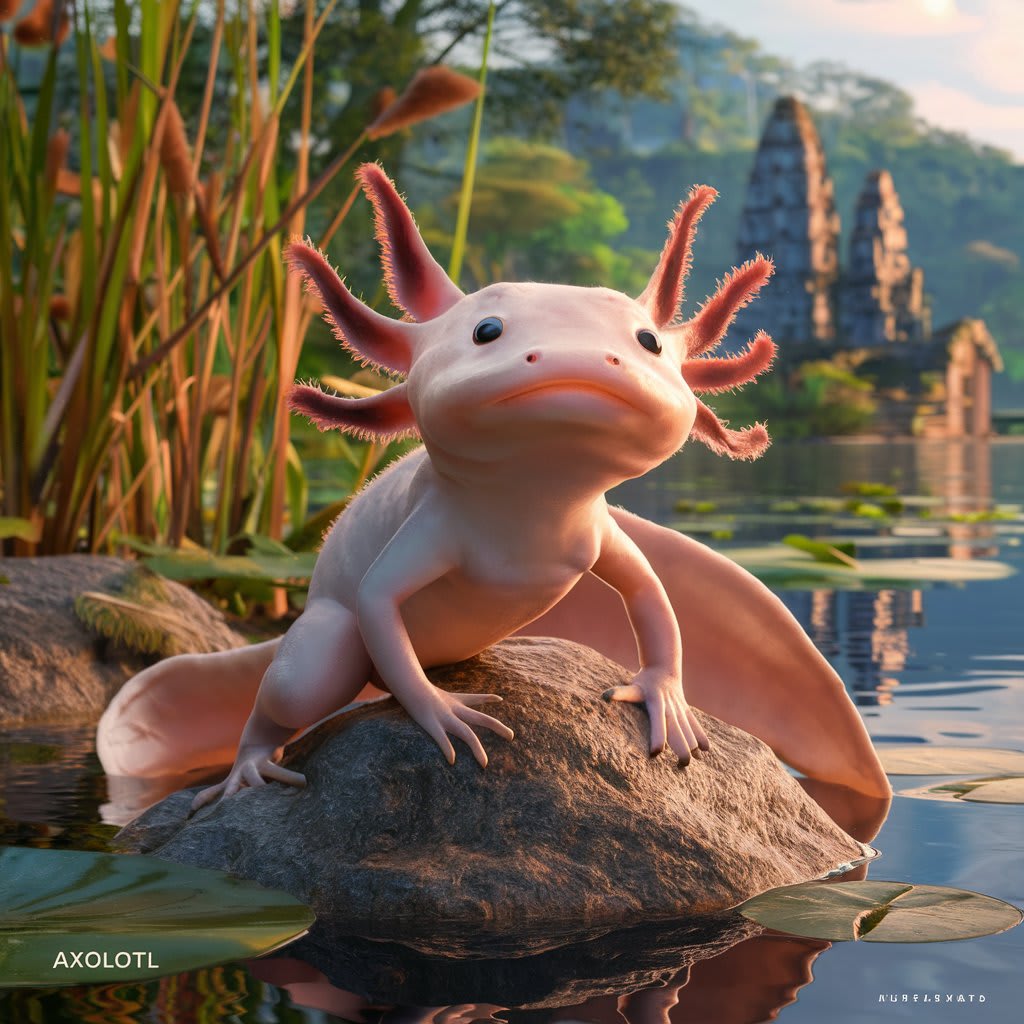
The axolotl, often referred to as the "Mexican walking fish," is a unique species of salamander renowned for its incredible regenerative abilities and perpetual larval state. This remarkable creature, native to the lake complex of Xochimilco near Mexico City, offers a captivating glimpse into the wonders of nature and the intricacies of evolutionary biology. In this comprehensive article, we will explore the axolotl's biology, habitat, conservation status, and its significance in scientific research.
Headings:
Sub-Topics
Introduction:
Overview of the axolotl
Understanding the Axolotl:
Classification and physical characteristics
Habitat and Distribution:
Native environment and current distribution
Unique Biological Traits:
Neoteny and regeneration
Axolotl's Life Cycle:
Development stages and lifespan
Diet and Feeding Habits:
Natural diet and feeding behavior
Axolotl in Captivity:
Care and maintenance in aquariums
Conservation Status:
Threats and conservation efforts
Axolotl in Scientific Research Medical and genetic research contributions
Cultural Significance Role in Mexican culture and mythology
Comparing Axolotls with Other Salamanders:
Differences and similarities
Common Health Issues:
Diseases and health concerns
Breeding Axolotls:
Reproductive behavior and breeding in captivity
Environmental Impact:
Impact of habitat changes and pollution
Legal Aspects of Keeping Axolotls Regulations and legal considerations
Axolotl as Pets:
Pros and cons of having axolotls as pets
FAQs about Axolotls Frequently asked questions about axolotls
Conclusion Summary and final thoughts
Understanding the Axolotl
Classification and Physical Characteristics
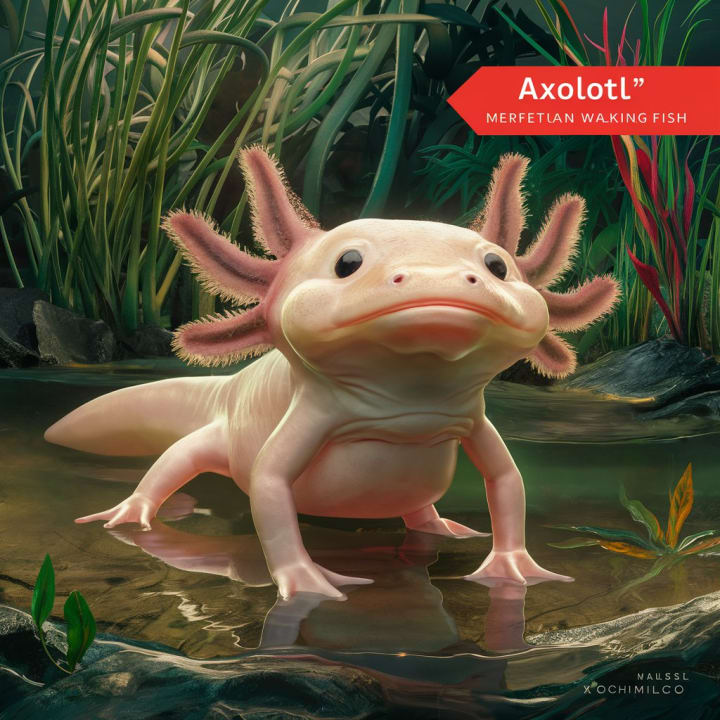
The axolotl (Ambystoma mexicanum) belongs to the order Caudata and the family Ambystomatidae. Unlike other salamanders, axolotls retain their larval features throughout their lives, a condition known as neoteny. They possess gills, a dorsal fin, and a tail that aids in swimming. Typically, axolotls come in various colors, including wild type (brown with speckles), leucistic (white with pink gills), albino, and melanoid (black).
Habitat and Distribution
Native Environment
Axolotls are endemic to the ancient lake complex of Xochimilco near Mexico City. These high-altitude lakes and canals provided the perfect aquatic environment for the axolotls, with abundant food sources and shelter.
Current Distribution
Today, due to urbanization, pollution, and invasive species, axolotls are critically endangered in the wild. Efforts are ongoing to preserve their natural habitat and reintroduce them into protected areas.
Unique Biological Traits
Neoteny
One of the most fascinating traits of the axolotl is its neoteny, meaning it reaches sexual maturity without undergoing metamorphosis. Unlike other amphibians that transition from a larval to an adult form, axolotls remain in their aquatic larval state for their entire lives.
Regeneration
Axolotls are renowned for their extraordinary regenerative abilities. They can regenerate entire limbs, spinal cord, heart, and other organs with remarkable precision, making them a subject of intense scientific research.
Axolotl's Life Cycle
Development Stages
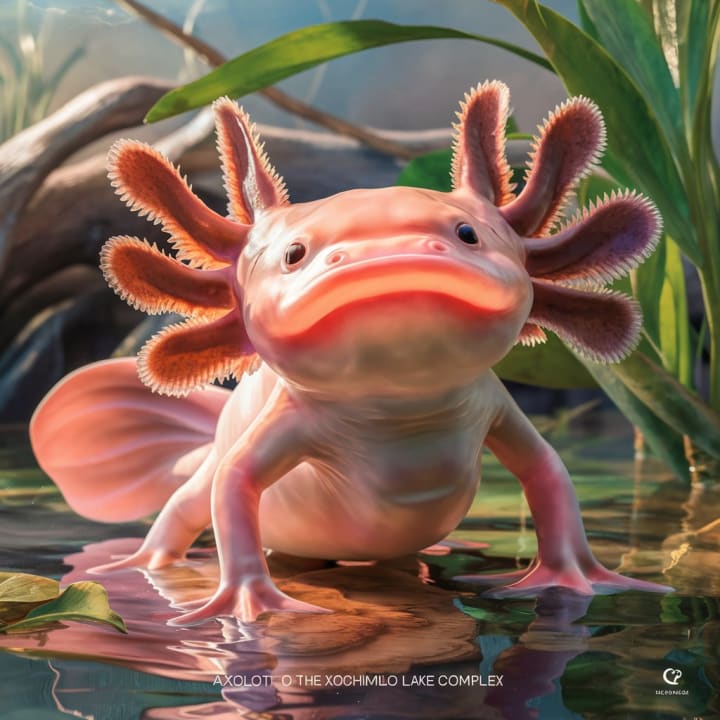
Axolotls start their lives as eggs, hatch into larvae, and, unlike other salamanders, do not undergo a dramatic metamorphosis. They reach maturity while retaining their larval features such as gills and finned tails.
Lifespan
In captivity, axolotls can live up to 15 years with proper care, though their lifespan in the wild is typically shorter due to environmental pressures.
Diet and Feeding Habits
Natural Diet
In the wild, axolotls are carnivorous, feeding on small fish, worms, insects, and other aquatic invertebrates. They use a suction method to ingest their prey.
Feeding Behavior
Axolotls are opportunistic feeders, eating anything that fits into their mouths. In captivity, they can be fed a diet of worms, small fish, and commercially available axolotl pellets.
Axolotl in Captivity
Care and Maintenance
Axolotls require specific conditions to thrive in captivity. They need a cool, clean aquatic environment with a stable temperature between 60-64°F (15-18°C). A suitable tank setup includes hiding places, a gentle water filter, and a substrate that won't harm their delicate skin.
Conservation Status
Threats
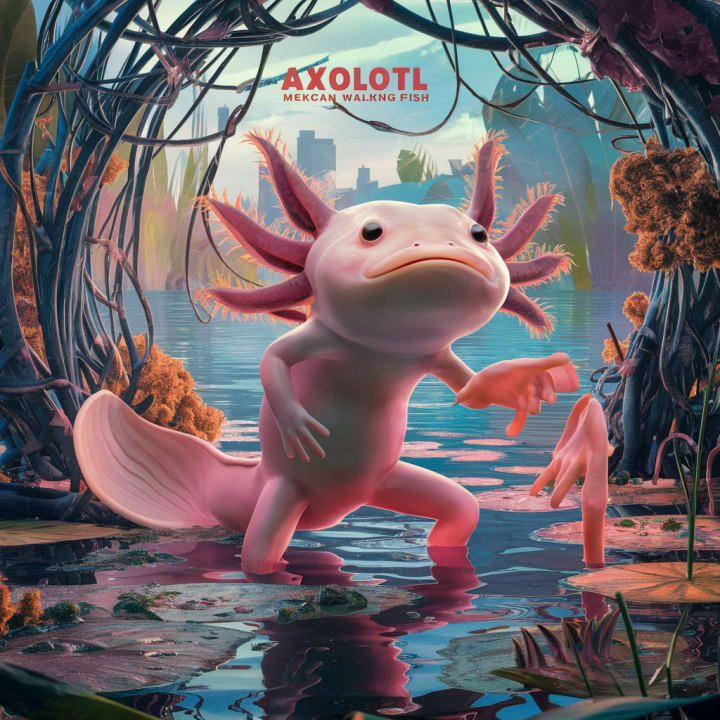
Axolotls face numerous threats in the wild, including habitat destruction, pollution, and competition from invasive species like tilapia and carp.
Conservation Efforts
Conservationists are working to protect and restore the axolotl's natural habitat in Xochimilco. Captive breeding programs and public awareness campaigns are also crucial for their survival.
Axolotl in Scientific Research
Medical Research
The axolotl's ability to regenerate tissues and organs makes it a valuable model organism in medical research. Scientists study axolotls to understand the mechanisms behind regeneration, which could have implications for human medicine.
Genetic Research
Axolotls have a unique genome that provides insights into gene regulation and expression, particularly in relation to regeneration and development.
Cultural Significance
Role in Mexican Culture
Axolotls have a prominent place in Mexican culture and mythology. The Aztecs considered them a manifestation of the god Xolotl, associated with lightning and death.
Mythology and Folklore
Stories and legends about axolotls often emphasize their mystical and regenerative qualities, reflecting their unique place in the natural world.
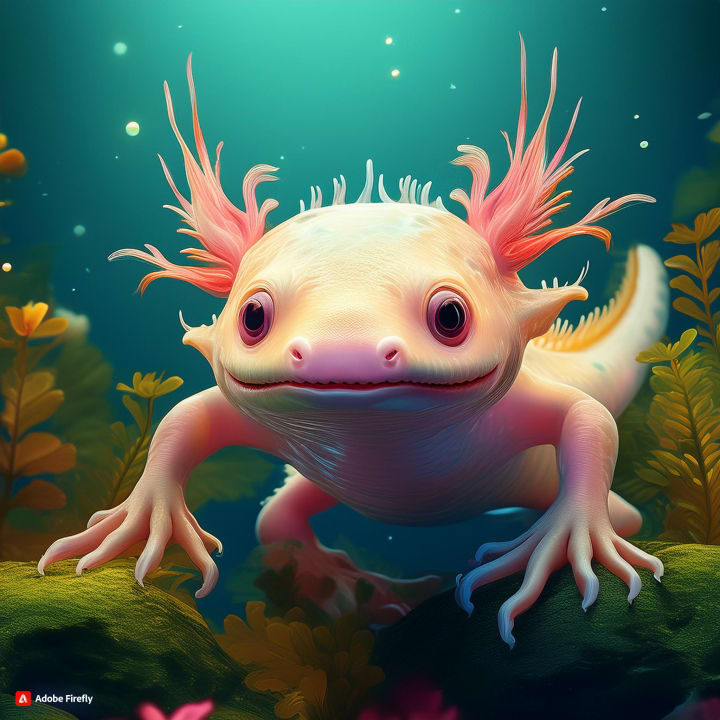
Comparing Axolotls with Other Salamanders
Differences
Unlike most salamanders, axolotls do not undergo metamorphosis. They retain their gills and aquatic lifestyle throughout their lives.
Similarities
Axolotls share many characteristics with other salamanders, such as their carnivorous diet and ability to regenerate limbs.
Common Health Issues
Diseases
Axolotls are susceptible to various health issues, including fungal infections, bacterial diseases, and parasites. Maintaining clean water and a stress-free environment is crucial for their health.
Health Concerns
Poor water quality and improper diet can lead to health problems like ammonia poisoning and malnutrition. Regular monitoring and proper care are essential to prevent these issues.
Breeding Axolotls
Reproductive Behavior
Axolotls breed readily in captivity. Males deposit spermatophores, which females pick up to fertilize their eggs internally.
Breeding in Captivity
Creating optimal conditions for breeding includes ensuring proper water quality, temperature, and providing ample hiding places for the eggs.
Environmental Impact
Habitat Changes
Urbanization and pollution have severely impacted the axolotl's natural habitat. Efforts to restore and protect these environments are vital for their survival.
Pollution
Water pollution from agricultural runoff and untreated sewage poses a significant threat to the axolotl's habitat, affecting their health and reproductive success.
Legal Aspects of Keeping Axolotls
Regulations
In some regions, keeping axolotls as pets is regulated due to their endangered status. It's important to check local laws and obtain any necessary permits.
Legal Considerations
Responsible ownership includes understanding and complying with all legal requirements to ensure the protection of wild populations.
Axolotl as Pets
Pros
Axolotls are fascinating and relatively low-maintenance pets, providing unique educational opportunities for owners interested in biology and natural history.
Cons
They require specific care conditions, and their endangered status means potential legal and ethical considerations for prospective owners.
FAQs about Axolotls
What makes axolotls unique compared to other amphibians?
Axolotls retain their larval features throughout their lives and possess extraordinary regenerative abilities, unlike most amphibians.
How long do axolotls live in captivity?
With proper care, axolotls can live up to 15 years in captivity.
What do axolotls eat?
Axolotls are carnivorous, feeding on worms, small fish, insects, and specially formulated pellets.
Are axolotls endangered?
Yes, axolotls are critically endangered in the wild due to habitat destruction, pollution, and invasive species.
Can axolotls regenerate their limbs?
Axolotls can regenerate limbs, spinal cord, heart, and other organs with remarkable precision.
What is the natural habitat of the axolotl?
Axolotls are native to the lake complex of Xochimilco near Mexico City, which provides a cool, aquatic environment essential for their survival.
Conclusion
The axolotl, with its unique biological traits and remarkable regenerative abilities, continues to captivate scientists and nature enthusiasts alike. Despite facing significant threats in the wild, ongoing conservation efforts and captive breeding programs offer hope for the survival of this extraordinary species. Whether studied in a laboratory, cherished as a pet, or admired in its natural habitat, the axolotl remains a symbol of nature's incredible resilience and adaptability.
About the Creator
KingFree MaN
Our purpose is to serve others. We strive to understand their needs, identify what they seek and streamline the journey to help them reach their goals. By removing obstacles and creating clear paths we work to make their experience smoother
Keep reading
More stories from KingFree MaN and writers in Earth and other communities.
''Understanding the Blobfish: A Deep-Sea Marvel''
The blobfish, scientifically known as Psychrolutes marcidus, is one of the most intriguing creatures of the deep sea. Its gelatinous and somewhat unappealing appearance has made it a subject of curiosity and humor, but there's much more to this deep-sea dweller than meets the eye. This article delves into the blobfish's habitat, physiology, adaptations, and its role in popular culture, revealing the complexities and marvels of this misunderstood species.
By KingFree MaNabout a year ago in Earth
Stock Market Today: Nasdaq Futures Rise; Oil Skids After Trump Dials Down Iran Tension
If you’ve been following the markets this week, you’ve probably noticed how sensitive traders are to geopolitical headlines. On Thursday, Nasdaq futures rose, while oil prices dropped after U.S. President Donald Trump made remarks that dialed down fears of immediate military escalation with Iran. It’s a classic example of how news can move multiple markets at once — tech stocks climbing while commodities react in the opposite direction. Nasdaq Futures Bounce Back Technology and growth-focused stocks led the recovery in futures trading. Nasdaq futures climbed, signaling that investors are regaining confidence after recent volatility. Many traders have been cautious, with some taking profits from high-flying tech names, but today’s rebound shows that market optimism is returning. Corporate earnings are a big factor here. Several tech giants, including semiconductor and software companies, have beaten analyst expectations in recent weeks. These results support longer-term growth narratives, giving investors confidence that the tech sector can continue to outperform even amid economic uncertainty. For anyone watching the markets, this is a reminder: futures are forward-looking indicators. When traders see signs of stabilization — like reduced geopolitical tension or strong earnings — markets often react positively before the official trading session even begins. Oil Prices Fall Amid Eased Tensions On the flip side, oil prices skidded. The energy market had been pricing in potential supply disruptions due to the tension with Iran, particularly in critical regions like the Strait of Hormuz. But after Trump’s comments, traders interpreted a lower risk of military conflict, and crude futures dropped sharply. West Texas Intermediate (WTI) and Brent crude both saw declines of around 4–5%, as investors adjusted their positions. This shows how geopolitical risk premiums can inflate commodity prices — and how quickly they can disappear once the perceived threat diminishes. Lower oil prices are a double-edged sword. On one hand, cheaper fuel eases costs for consumers and businesses. On the other, energy companies and oil-exporting nations may face pressure on revenue and profits if prices remain soft. Why Geopolitics Moves Markets The Middle East continues to be a major driver of global market sentiment. Even the possibility of conflict in oil-rich regions can make investors nervous, sending equities lower and commodities higher. Conversely, statements that calm these fears can produce quick rebounds in risk assets like stocks and a decline in commodities like oil. This week’s developments show just how reactive the markets have become. A single remark from a world leader — in this case, Trump — can shift risk perception and trigger immediate moves across multiple asset classes. Earnings and Economic Data Still Key While geopolitical headlines dominate daily moves, corporate earnings and economic data remain critical for long-term market trends. Financial giants like Morgan Stanley recently reported results that beat expectations, boosting their stock prices and reinforcing positive sentiment in the sector. Investors are paying close attention to these fundamentals. Earnings reports and macroeconomic indicators provide insight into underlying trends, helping traders separate short-term volatility from sustainable growth. What Investors Should Watch For stock investors: The rebound in Nasdaq futures suggests that growth and technology stocks are finding support, but volatility is still high. Active risk management and portfolio diversification remain essential. For energy markets: Today’s slump in oil prices highlights how commodities react to geopolitical sentiment. Traders should watch for developments in the Middle East, as any escalation could reverse the decline in prices almost immediately. For global markets overall: Investors must balance multiple narratives — geopolitical events, corporate earnings, economic data, and interest rate expectations. This interplay shapes risk appetite and influences how capital flows across sectors and regions. The Takeaway Today’s market action illustrates a broader theme: markets are highly sensitive to shifts in risk perception. When geopolitical tension eases, equities tend to rise, and risk-sensitive commodities like oil fall. But when threats reappear, sentiment can flip, reminding investors that global markets are dynamic and interconnected. This combination of Nasdaq gains and falling oil prices isn’t just about numbers — it’s about investor psychology, risk management, and the speed at which news travels in our global economy. The lesson is clear: staying informed and flexible is more important than ever for anyone participating in today’s markets.
By Muhammad Hassan4 days ago in Earth
Cement's Quiet Pivot
Why this is under-the-radar progress Cement and concrete account for a sizable slice of global CO₂, but the fastest cuts right now aren’t headline-grabbing moonshots — they’re practical shifts already filtering through specifications, standards, and procurement. Three forces are converging: (1) modern cement standards that enable big clinker reductions with reliable performance; (2) rapid market adoption of Portland-limestone cement (PLC) and new ternary blends such as limestone–calcined clay cements (LC3); and (3) public buyers setting embodied-carbon requirements that move the market. Together, these are driving real-world emission declines from the most-used construction material on earth — often without changing how structures are designed or built [8].
By Futoshi Tachino7 days ago in Earth



Comments
There are no comments for this story
Be the first to respond and start the conversation.