
''Understanding the Blobfish: A Deep-Sea Marvel''
Understanding the Blobfish

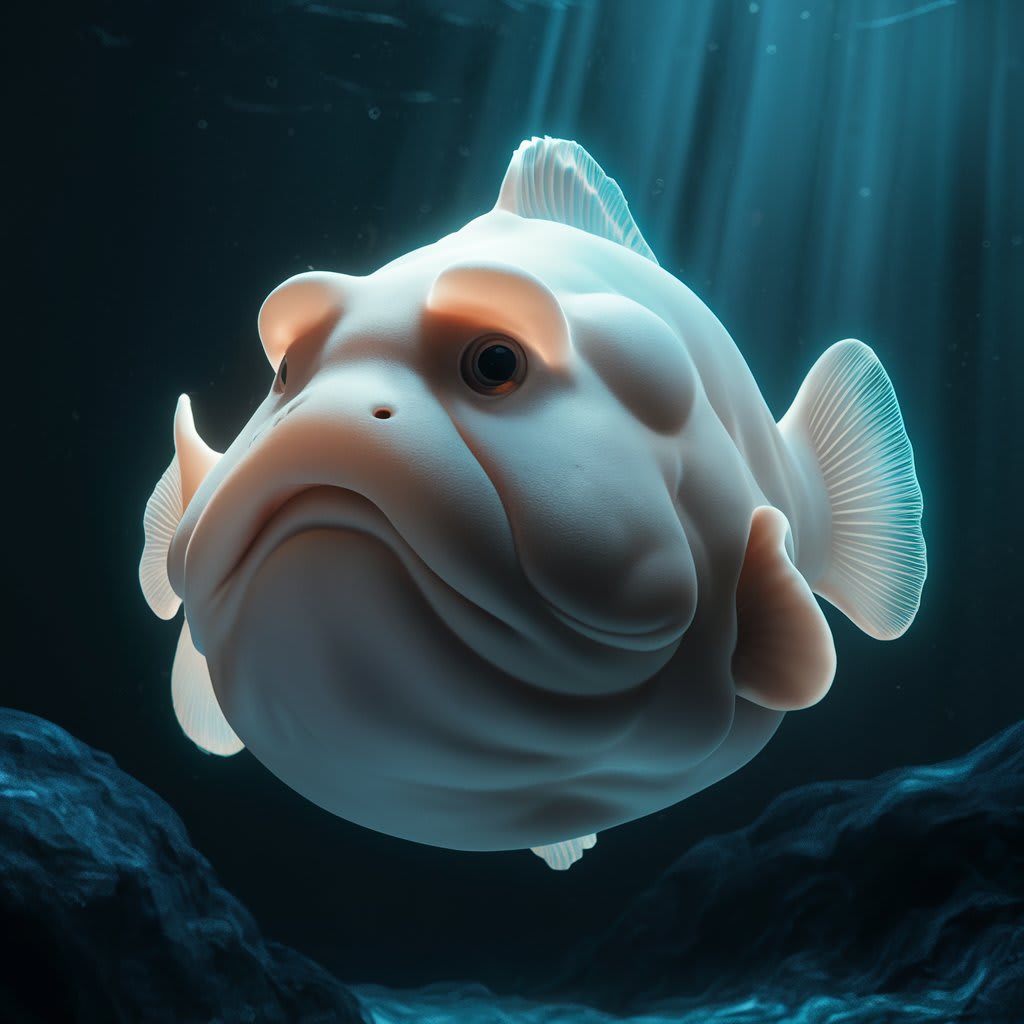
The blobfish, scientifically known as Psychrolutes marcidus, is one of the most intriguing creatures of the deep sea. Its gelatinous and somewhat unappealing appearance has made it a subject of curiosity and humor, but there's much more to this deep-sea dweller than meets the eye. This article delves into the blobfish's habitat, physiology, adaptations, and its role in popular culture, revealing the complexities and marvels of this misunderstood species.
Table of Contents
Headings Subtopics
Introduction Overview of the blobfish
Blobfish: An Overview General characteristics
Scientific Classification Taxonomy and related species
Physical Description Unique features and gelatinous appearance
Habitat and Distribution Geographic range and deep-sea environment
Adaptations to Deep-Sea Life Survival mechanisms in high-pressure conditions
Feeding Habits and Diet What blobfish eat
Reproduction and Life Cycle Breeding behaviors and development stages
Blobfish and Popular Culture How blobfish gained fame
Conservation Status Threats and protection measures
The Role of Blobfish in the Ecosystem Ecological importance
Myths and Misconceptions:
Common misunderstandings about blobfish
Research and Studies:
Scientific investigations on blobfish
Comparative Analysis with Related Species:
Differences and similarities
Human Impact on Deep-Sea Species:
Effects of human activities
Blobfish in Aquariums:
Feasibility and ethical considerations
The Future of Blobfish:
Prospects and conservation efforts
Frequently Asked Questions:
Common queries about blobfish
Conclusion:
Summary and final thoughts

Introduction
The blobfish, or Psychrolutes marcidus, is often dubbed the "world's ugliest animal." However, this deep-sea fish has a fascinating array of adaptations that enable it to thrive in one of Earth's most extreme environments. This article explores the many facets of the blobfish, from its habitat and diet to its role in popular culture.
Blobfish: An Overview
The blobfish is a deep-sea fish that inhabits the waters off the coasts of mainland Australia and Tasmania. Known for its unique appearance, the blobfish has a gelatinous body that helps it withstand the immense pressures of the deep ocean. When brought to the surface, this adaptation causes it to lose its shape, giving it a characteristic "blobby" look.
Scientific Classification
The blobfish belongs to the family Psychrolutidae, commonly known as fathead sculpins. Its scientific classification is as follows:
Kingdom: Animalia
Phylum: Chordata
Class: Actinopterygii
Order: Scorpaeniformes
Family: Psychrolutidae
Genus: Psychrolutes
Species: P. marcidus
Related species within the Psychrolutidae family share similar adaptations to deep-sea life but differ in their specific habitats and appearances.

Physical Description
The blobfish's most notable feature is its gelatinous, almost amorphous body. This physical characteristic is an adaptation to the high-pressure environment of the deep sea. In its natural habitat, the pressure is so great that the blobfish's gelatinous flesh allows it to maintain buoyancy without expending much energy. This also means it has very little muscle, relying on the ambient water pressure to keep its shape.
The blobfish can grow up to 30 centimeters (about 12 inches) in length. Its loose, flabby skin appears smooth and pale, with a large head and a broad, flat face. The blobfish's eyes are small and positioned close together, and it has a large mouth that often gives it a frowning expression.
Habitat and Distribution
Blobfish are found in the deep waters off the coasts of mainland Australia and Tasmania. They typically inhabit depths ranging from 600 to 1,200 meters (2,000 to 3,900 feet). At these depths, the pressure is about 60 to 120 times greater than at sea level, a condition that has significantly influenced the blobfish's physical and behavioral adaptations.
The deep-sea environment is cold, dark, and has limited food sources. Blobfish are well-adapted to these conditions, with a slow metabolism and low energy requirements. They are often found near the ocean floor, where they scavenge for food.
Adaptations to Deep-Sea Life
The blobfish's most remarkable adaptation is its gelatinous body. This low-density flesh allows it to float just above the ocean floor without wasting energy swimming. Unlike most fish, the blobfish does not have a swim bladder, which would be crushed by the extreme pressure at its habitat depth.
Its body structure is also adapted to the deep sea. The lack of muscle mass and bone density means it is less affected by the high-pressure environment. The blobfish's skin is loose and flabby, which helps distribute pressure evenly across its body.
Additionally, blobfish have developed a slow metabolism to cope with the scarcity of food in the deep sea. They can survive on a minimal diet, feeding on sea urchins, mollusks, and other small organisms that drift down from the upper layers of the ocean.
Feeding Habits and Diet
Blobfish are opportunistic feeders, meaning they eat whatever organic matter comes their way. Their diet primarily consists of small invertebrates such as sea urchins, mollusks, and crustaceans. These creatures are abundant on the ocean floor, providing a consistent food source for the blobfish.
The blobfish's feeding strategy is passive; it does not actively hunt but rather waits for food to come within reach. This method conserves energy, which is crucial in an environment where food is scarce. The blobfish's large mouth allows it to engulf prey with ease, making it an effective scavenger in the deep-sea ecosystem.
Reproduction and Life Cycle
The reproductive habits of blobfish are not well-documented, largely due to the difficulty of studying these creatures in their natural deep-sea habitat. However, it is believed that blobfish reproduce through external fertilization, where females lay eggs on the ocean floor, and males then fertilize them.
Blobfish eggs are thought to be large and buoyant, floating above the ocean floor. The female blobfish may guard the eggs until they hatch, a behavior observed in some related species. The larvae are likely to be planktonic, drifting in the water column until they are mature enough to settle on the ocean floor.
The lifespan of blobfish is also not well understood, but deep-sea species typically have longer lifespans compared to shallow-water fish due to their slow metabolism and growth rates.
Blobfish and Popular Culture
The blobfish's unusual appearance has made it a subject of fascination and humor in popular culture. It gained widespread attention in 2013 when it was voted the "world's ugliest animal" by the Ugly Animal Preservation Society, a campaign aimed at raising awareness for endangered and less visually appealing species.
This notoriety has led to the blobfish being featured in various media, including cartoons, memes, and merchandise. Despite its unfortunate reputation for ugliness, the blobfish has become a symbol for the unique and often overlooked creatures of the deep sea.

Conservation Status
The conservation status of the blobfish is currently not well-documented due to the challenges of studying deep-sea species. However, deep-sea habitats are increasingly threatened by human activities such as deep-sea trawling, mining, and climate change.
Deep-sea trawling, in particular, poses a significant threat as it can destroy the delicate habitats that blobfish and other deep-sea creatures rely on. Conservation efforts are needed to protect these environments and the species that inhabit them.
The Role of Blobfish in the Ecosystem
Blobfish play a crucial role in the deep-sea ecosystem as scavengers. By feeding on detritus and small invertebrates, they help recycle nutrients and maintain the balance of the ocean floor environment. Their presence indicates a healthy ecosystem, as they rely on a stable food supply and habitat conditions.
As part of the larger deep-sea community, blobfish interact with various other species, contributing to the biodiversity and ecological complexity of their environment. Understanding their role helps scientists gain insights into the functioning of deep-sea ecosystems.
Myths and Misconceptions
The blobfish's peculiar appearance has led to several myths and misconceptions. One common myth is that blobfish always look as they do when brought to the surface. In reality, their "blobby" appearance is a result of the decompression damage that occurs when they are taken out of their high-pressure environment.
Another misconception is that blobfish are lazy or inactive. While they do have a slow metabolism, this is an adaptation to their environment, not a sign of laziness. Their passive feeding strategy is an efficient way to conserve energy in a habitat where food is scarce.
Research and Studies
Scientific research on blobfish is limited due to the challenges of deep-sea exploration. However, advances in deep-sea technology, such as remotely operated vehicles (ROVs) and submersibles, have allowed scientists to study these elusive creatures more closely.
Research has focused on understanding the blobfish's adaptations, behavior, and ecological role. Studies have also investigated the impacts of deep-sea fishing and habitat destruction on blobfish populations. Continued research is essential for developing effective conservation strategies.
Comparative Analysis with Related Species
Blobfish share their family, Psychrolutidae, with several related species, including the smooth-head blobfish (Psychrolutes phrictus) and the blob sculpin (Psychrolutes microporos). While these species have similar adaptations for deep-sea life, they differ in their specific habitats, appearances, and behaviors.
For example, the smooth-head blobfish is found in the North Pacific, whereas the blob sculpin inhabits the North Atlantic. These differences highlight the diversity within the Psychrolutidae family and the various evolutionary paths taken by deep-sea fish.
Human Impact on Deep-Sea Species
Human activities significantly impact deep-sea species, including blobfish. Deep-sea trawling is one of the most destructive practices, as it can decimate large areas of the ocean floor, destroying habitats and reducing biodiversity.
Mining for resources such as rare minerals and oil also threatens deep-sea ecosystems. These activities can lead to pollution, habitat loss, and changes in water chemistry, all of which can have detrimental effects on blobfish and other deep-sea species.
Blobfish in Aquariums
Keeping blobfish in aquariums presents significant challenges due to their specialized habitat requirements. The high-pressure environment they need is difficult to replicate in captivity. Additionally, their gelatinous bodies are not well-suited to the lower pressures of surface environments.
Ethical considerations also arise when removing deep-sea creatures from their natural habitats. Capturing and displaying blobfish in aquariums can cause physical harm and stress, raising questions about the morality of such practices.
The Future of Blobfish
The future of blobfish depends on our ability to protect their deep-sea habitats. Conservation efforts must focus on mitigating the impacts of human activities such as deep-sea trawling and mining. Marine protected areas can help safeguard critical habitats and promote the recovery of deep-sea ecosystems.
Public awareness and education are also crucial. By understanding the importance of deep-sea species like the blobfish, we can foster greater appreciation and support for their conservation.
Frequently Asked Questions
What is a blobfish?
The blobfish (Psychrolutes marcidus) is a deep-sea fish known for its gelatinous appearance, which helps it survive in high-pressure environments off the coasts of Australia and Tasmania.
Why does a blobfish look so strange?
The blobfish's "blobby" appearance is due to the decompression damage that occurs when it is brought to the surface. In its natural deep-sea habitat, it has a more structured form.
What do blobfish eat?
Blobfish are opportunistic feeders, primarily eating small invertebrates such as sea urchins, mollusks, and crustaceans found on the ocean floor.
Are blobfish endangered?
The conservation status of blobfish is not well-documented, but they are threatened by deep-sea trawling and habitat destruction.
Can blobfish survive in aquariums?
It is challenging to keep blobfish in aquariums due to their need for high-pressure environments and the ethical considerations of removing them from their natural habitat.
How do blobfish reproduce?
Blobfish are believed to reproduce through external fertilization, where females lay eggs on the ocean floor, and males fertilize them. The eggs are likely guarded by the female until they hatch.
Conclusion
The blobfish is a remarkable example of the adaptations that deep-sea creatures have evolved to survive in extreme environments. Despite its unfortunate reputation for ugliness, the blobfish plays a crucial role in its ecosystem and offers valuable insights into the biodiversity of the deep sea. Protecting its habitat and raising awareness about the importance of deep-sea conservation are essential steps toward ensuring the future of this fascinating species.
About the Creator
KingFree MaN
Our purpose is to serve others. We strive to understand their needs, identify what they seek and streamline the journey to help them reach their goals. By removing obstacles and creating clear paths we work to make their experience smoother
Keep reading
More stories from KingFree MaN and writers in Earth and other communities.
Platypus (Ornithorhynchus anatinus): The Unique Egg-Laying Mammal from Australia
Description: Discover the fascinating world of the platypus (Ornithorhynchus anatinus), an egg-laying mammal from Australia with a duck-bill, webbed feet, and a beaver-like tail. Learn about its unique characteristics, habitat, and conservation.
By KingFree MaNabout a year ago in Earth
United States Malted Wheat Flour Market Size and Forecast 2025–2033
United States Malted Wheat Flour Market The United States Malted Wheat Flour Market is entering a phase of steady and value-driven growth, supported by evolving consumer preferences, technological advances in milling, and rising demand from bakeries, confectioneries, and craft breweries. According to Renub Research, the market is projected to reach US$ 19.54 billion by 2033, expanding from US$ 12.37 billion in 2024, at a compound annual growth rate (CAGR) of 5.21% from 2025 to 2033.
By jaiklin Fanandish2 days ago in Earth
Violence Begets
"Any last words, cowboy?" "None you'd understand, sodbuster." "Funny. That's Marshall Sodbuster to you. But I meant some last nugget that would help us in the adjudication of the myriad offenses counted against you and your gang. I wasn't asking for penitence."
By Adam Diehl4 days ago in Fiction


Comments (1)
Nice conversation about nature.