
Cement's Quiet Pivot
Low-clinker cements, modern specs, and smart procurement are cutting concrete's carbon

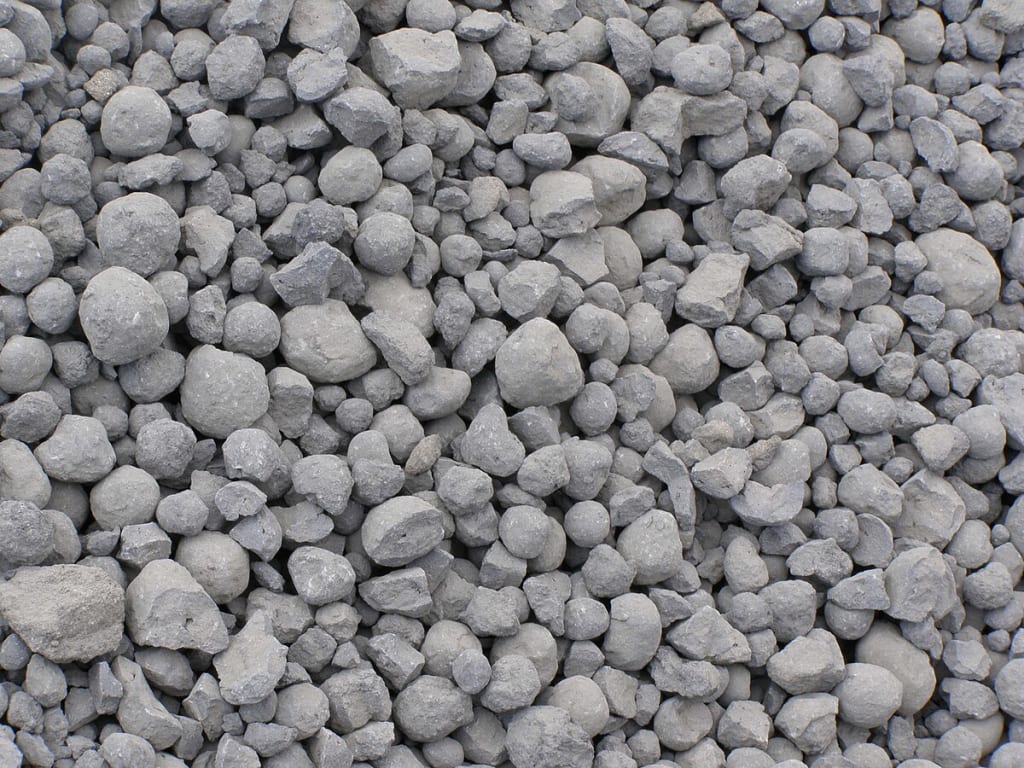
Why this is under-the-radar progress
Cement and concrete account for a sizable slice of global CO₂, but the fastest cuts right now aren’t headline-grabbing moonshots — they’re practical shifts already filtering through specifications, standards, and procurement. Three forces are converging: (1) modern cement standards that enable big clinker reductions with reliable performance; (2) rapid market adoption of Portland-limestone cement (PLC) and new ternary blends such as limestone–calcined clay cements (LC3); and (3) public buyers setting embodied-carbon requirements that move the market. Together, these are driving real-world emission declines from the most-used construction material on earth — often without changing how structures are designed or built [8].
What changed
Standards unlocked deeper clinker substitution.
Europe codified multi-component cements (CEM II/C-M, CEM VI) that permit up to ~65% replacement of ordinary Portland cement with lower-carbon constituents; the UK’s 2023 update to BS 8500 formally brought these cements into mainstream specification, widening low-carbon options for everyday mixes [1–2].
The US flipped to PLC — now the majority product.
By 2024, Type IL (PLC) was accepted by every state DOT and had become the majority of US blended-cement shipments; PLC typically lowers cradle-to-gate CO₂ by up to ~10% with the same performance envelope for most applications [3–4].
India green-lit LC3 — and industry is moving.
India issued a national LC3 standard (IS 18189:2023), giving a clear basis for specification. Producers have begun commercial LC3 output, and major projects (including a new international airport) have announced LC3 use — an early signal that this isn’t just a lab curiosity in steel-and-concrete-heavy markets [5–7].
Public procurement is pushing embodied-carbon down.
Large buyers now ask for “low-embodied-carbon” cement and concrete by default. In the US, federal guidance under the Inflation Reduction Act set LEC criteria for cement and concrete in GSA-leased space, and agencies are aligning specs accordingly. France’s RE2020 code is progressively tightening whole-life and embodied-carbon requirements for new buildings through the 2020s, which further rewards lower-clinker cements and smarter mix design [10–11].
Where it’s showing up
Europe & UK. Designers can now call out CEM II/C-M and CEM VI in standard project specs, not pilot exceptions. In parallel, the sector already replaces over half of kiln heat with non-fossil alternative fuels, compounding the effect of lower-clinker binders [1–2, 8].
United States. PLC is now the “new normal” across infrastructure after full DOT acceptance, with widespread availability from ready-mix producers. Project teams can drop embodied CO₂ without changing strength classes, admixtures, or placement practices [3–4].
India. With a national LC3 standard in force and producers standing up capacity, early flagship deployments (e.g., airport works) demonstrate performance and supply at scale in a fast-growing market [5–7].
Why it matters
Biggest wins per specification line.
Cutting clinker content is among the most reliable levers for near-term cement decarbonization. Ternary cements (e.g., limestone + calcined clay) and PLC blends trim process and fuel emissions while preserving performance, with no need to redesign structures or invent new construction methods [1, 3–5, 8].
System-level pull.
When building codes and public buyers reward lower-carbon mixes, producers invest in calcination of clays, quality control, and logistics for new blends. That flywheel is now spinning in multiple regions; even incremental mix changes scale fast because concrete volumes are enormous [10–11].
Innovation stacking.
Efficiency on the kiln side (e.g., alternative fuels, better heat recovery) stacks with lower-clinker blends — and emerging production tweaks can push clinker factors lower still. One major producer has begun “micronizing” clinker to halve the clinker share without sacrificing strength, showing how process innovation can amplify what the standards already allow [8–9, 12].
A bridge to deeper cuts.
Lower-clinker cements and smarter procurement are immediate tools. In parallel, first-of-a-kind carbon-capture retrofits at cement plants are entering operation, creating a pathway for the residual emissions that substitution alone can’t remove [13].
What to watch next
- Ternary-cement normalization in more national specs beyond Europe and India (especially large emerging markets). [1–2, 5]
- Public-sector thresholds for low-embodied-carbon concrete tightening over 2025–2030 (US federal and sub-national; France’s RE2020 ratchet). [10–11]
- Calcined-clay supply chains — new regional kilns and quality protocols to ensure consistent LC3 performance. [6–7]
- Bankable CCS at cement scale — performance and cost data from early plants (e.g., Brevik) informing wider replication. [13]
Bottom line: Concrete is getting cleaner by design choice, not just technology hype. Standards now permit big clinker cuts, PLC and LC3 are commercial and spreading, and procurement is rewarding lower-carbon mixes. It’s pragmatic, scalable climate progress — already pouring into foundations and roadbeds around the world [1–7, 10–13].
References
[1] The Concrete Centre. “Standards for concrete, BS 8500 (update: incorporation of BS EN 197–5 multi-component cements, up to 65% Portland cement replacement).” Accessed 4 Nov. 2025. https://www.concretecentre.com/Structural-design/Standards/Standards-for-concrete.aspx
[2] The Institute of Concrete Technology (ICT). “BS 8500:2023 Changes and Developments — What They Mean for Concrete.” Seminar synopsis, 30 Nov. 2023. https://theict.org.uk/event/bs-85002023-changes-and-developments-what-they-mean-for-concrete/
[3] U.S. Geological Survey. Mineral Commodity Summaries 2025 — Cement (pp. 44–46: DOT acceptance and shipment shares for Type IL). January 2025. https://pubs.usgs.gov/periodicals/mcs2025/mcs2025-cement.pdf
[4] Portland Cement Association. “Portland-Limestone Cement Now Available from Most PCA Member Companies” (notes PLC can reduce CO₂ by up to ~10%). Press release, 25 Oct. 2023. https://www.prnewswire.com/news-releases/portland-limestone-cement-now-available-from-most-pca-member-companies-301967808.html
[5] Bureau of Indian Standards. IS 18189:2023 — Portland-Limestone Calcined Clay Cement — Specification (official standard). 2023. (Archived access) https://archive.org/download/bis-standard-lc3/IS%2018189-2023%20LC3.pdf
[6] EPFL — LC3 Project. “India launches new standard for LC3 cement.” 28 Mar. 2023. https://lc3.epfl.ch/2023/03/28/india-launches-new-standard-for-lc3-cement/
[7] Times of India. “Noida International Airport to build India’s greenest runway with low-carbon LC3 concrete.” 14 Sept. 2025. https://timesofindia.indiatimes.com/city/noida/noida-international-airport-to-build-indias-greenest-runway-with-low-carbon-lc3-concrete/articleshow/113073025.cms
[8] CEMBUREAU (The European Cement Association). Activity Report 2023 (p. 11: 53% of thermal energy from alternative fuels; sector decarbonisation pathway). Published 2024. https://cembureau.eu/media/zdffzuiz/activity-report-2023.pdf
[9] Reuters (Kylie Madry). “Cemex to start new cement-making method to cut costs, emissions.” 29 Feb. 2024. https://www.reuters.com/world/americas/cemex-start-new-cement-making-method-cut-costs-emissions-2024-02-29/
[10] Government of France. Guide RE 2020 — Règlementation Environnementale 2020 (whole-life/embodied-carbon framework and progressive thresholds for new buildings). 16 May 2025. https://www.ecologie.gouv.fr/sites/default/files/Guide%20RE2020%2016%20mai%202025.pdf
[11] U.S. General Services Administration (GSA). “Low Embodied Carbon Material Requirements for GSA Leased Space” (cement & concrete criteria under IRA). Updated 2024. https://www.gsa.gov/real-estate/gsa-lease-requirements/low-embodied-carbon-material-requirements-for-gsa-leased-space
[12] International Energy Agency. “Cement — Tracking Report.” Updated 2024–2025 (process emissions, clinker ratio, decarbonisation levers). https://www.iea.org/energy-system/industry/cement
[13] Heidelberg Materials. “World’s first full-scale CCUS project in cement: Norcem Brevik.” Project overview and 2025 commissioning update. Accessed 4 Nov. 2025. https://www.heidelbergmaterials.com/en/norcem-brevik-carbon-capture-and-storage-ccs
Futoshi Tachino is an environmental writer who believes in the power of small, positive actions to protect the planet. He writes about the beauty of nature and offers practical tips for everyday sustainability, from reducing waste to conserving energy.
About the Creator
Futoshi Tachino
Futoshi Tachino is an environmental writer who believes in the power of small, positive actions to protect the planet. He writes about the beauty of nature and offers practical tips for everyday sustainability.
Keep reading
More stories from Futoshi Tachino and writers in Earth and other communities.
Regenerative Agriculture's Quiet Revolution
by Futoshi Tachino Regenerative agriculture — a holistic approach to farming that restores soil health, biodiversity, and resilience — has rapidly gained traction in recent years. This shift remains largely underappreciated by the public; in a 2024 survey, around 43% of U.S. consumers had never heard of regenerative agriculture (and another 28% had only minimal awareness) [4]. Despite this low profile, tangible developments in regenerative farming are delivering robust results. Farmers are proving that it’s possible to maintain high yields with fewer chemical inputs, improve profitability, and enhance ecological outcomes — all at once. This article explores the evidence-backed progress of regenerative agriculture across regions, the policies and technologies driving its adoption, and why this overlooked sustainability success story deserves greater recognition.
By Futoshi Tachino2 months ago in Earth
Echoes
I stepped carefully around the corner, the familiar sights and sounds hitting me like a brick to the face. My eyes watered. I could practically see us, all of us, back then, clustered around the outdoor tables in front of the pizza shop, the bar, the coffee shop. I could smell the various stalls from the events we’d been to on this street. I could taste the churros and nachos.
By Phoenixica246 days ago in Fiction




Comments
There are no comments for this story
Be the first to respond and start the conversation.