
The Astonishing World of Fungi
Unveiling the Wonders Beyond the Grocery Store Aisles
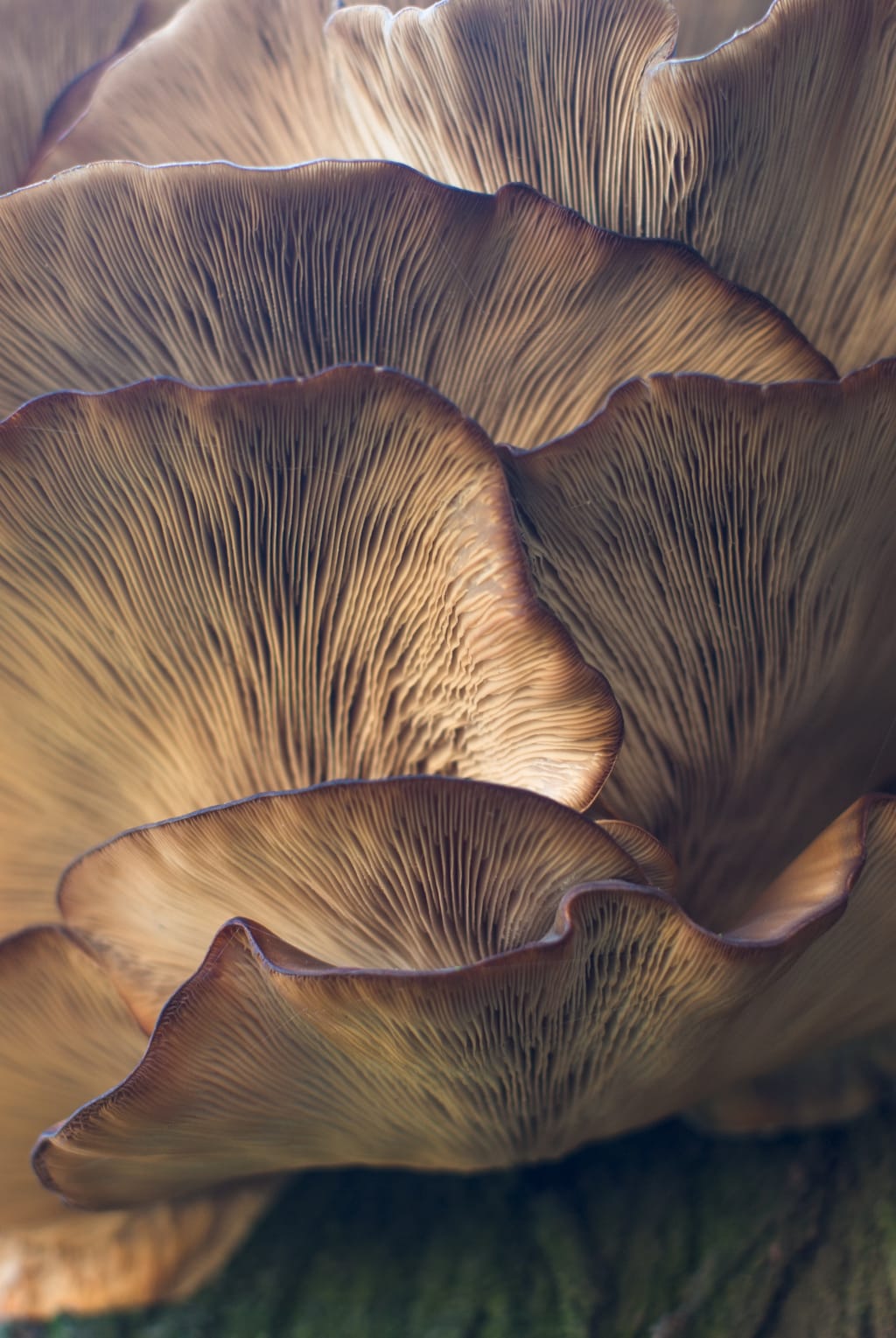
The realm of fungi extends far beyond the familiar button mushrooms adorning your local grocery store shelves. The term "fungus" encompasses a diverse kingdom of organisms, ranging from the well-known chanterelles and shiitakes to molds and yeasts. Mushrooms, serving as the reproductive structures of fungi, play a pivotal role in spreading spores for reproduction. However, the world of fungi boasts not only captivating appearances but also extraordinary capabilities, such as tricking animals for care and even aiding in radiation cleanup. In this exploration, we'll delve into six peculiar mushrooms and fungi, unraveling the distinctive features that set them apart from the ordinary garden fare.
The first entrant in our fungal showcase showcases a clever survival tactic employed by the genus Fibularhizoctonia, aptly named the cuckoo fungus. Operating as a master of disguise, this fungus conceals itself within termite egg piles by mimicking their size and color. The fungus, in its sclerotia form, cleverly waits until conditions are optimal for sprouting a new colony. To further enhance its disguise, the cuckoo fungus produces an enzyme, beta-glucosidase, mimicking the scent of termite eggs. This mimicry ensures the fungus's safety as it benefits from the termite's protective measures. However, there's a catch – the fungal balls can only sprout when worker termites are absent, possibly due to the termites' saliva inhibiting their growth. When the termites relocate, they carry the fungus with them, allowing it to establish in a new location before its competitors arrive.
Moving on to the bleeding tooth fungus, this peculiar mushroom not only sounds frightening but also boasts an intricate internal transportation system. The teeth-shaped structures on its underside, characteristic of the hydnoid family of fungi, serve as an alternative to the gills or pores found in most mushrooms. The dark red liquid oozing from the bleeding tooth fungus results from the internal pressure within its hyphae, pushing fluid out of the pores. While the exact reason for the fluid's red hue remains unclear, speculations point to its potential role in attracting insects that aid in spore dispersal. Additionally, these fungi form mycorrhizal relationships with trees, exchanging nutrients in a symbiotic dance that benefits both parties.
The iconic Fly Agaric takes center stage next, recognized for its distinctive appearance and hallucinogenic properties. Contrary to its name, the "fly" in Fly Agaric might not refer to insects but instead harks back to an older usage denoting madness or possession. The hallucinogenic effects of this mushroom, attributed to muscimol and ibotenic acid, have historical roots in religious rituals. While caution is warranted due to its toxicity, the Fly Agaric's chemistry and psychedelic effects continue to intrigue researchers and enthusiasts alike.
Transitioning to fungi with superhero-like qualities, radiotropic fungi have been discovered in high-radiation environments, such as Chernobyl and spacecraft exteriors. These fungi, equipped with the ability to absorb radiation, demonstrate a unique resilience to an otherwise harmful force. Some, like black yeast, activate genes related to DNA repair and defense when exposed to radiation, potentially offering insights into applications for environmental cleanup. The role of melanin in these fungi raises questions about their potential to convert radiation into usable energy, presenting a fascinating avenue for further research.
Enter the Phallaceae family, aptly named for its distinctive shape, and commonly known as Stinkhorn fungi. These mushrooms, with various forms ranging from geometric to alien-looking, employ a foul-smelling slime to attract flies for spore dispersal. Despite their unpleasant odor, some species of Stinkhorn fungi are considered delicacies in certain cuisines, challenging preconceived notions about the relationship between smell and taste.
Concluding our fungal journey is the Lion's Mane, a fluffy, white mushroom known for its edible and purported medicinal properties. Used in Chinese medicine for centuries, Lion's Mane has been associated with antimicrobial, antioxidant, and anti-aging benefits. While studies suggest potential health advantages, a cautious approach is advised, considering the variations between in vitro and in vivo studies.
In essence, these remarkable fungi showcase the multifaceted world that exists beyond the confines of our everyday perception. From survival tactics and hallucinogenic properties to radiation absorption and culinary delights, the fungi kingdom proves to be a captivating realm deserving of exploration and appreciation. So, the next time you encounter a mushroom, remember that there's likely more to its story than meets the eye – or the taste buds.
About the Creator
Līva
World is interesting place. Scary, but worth living.
Nature is full of surprises and people are... well, people are something else.
Art is the best doctor.
El Niño is likely to return in 2026. Here's what that means for Houston and Texas.
La Niña has been active since mid-October. However, according to the January update from the National Oceanic and Atmospheric Administration, it’s likely to end over the next couple of months, and a transition to El Niño is likely to occur later this year.
By Dena Falken Esq4 days ago in Earth
High-Speed Train Crash in Southern Spain Leaves at Least 21 Dead
A devastating high-speed train crash in southern Spain has left at least 21 people dead and dozens injured, shocking the nation and triggering a major emergency response. The incident, which occurred on a busy rail route connecting key southern cities, has reignited concerns over railway safety, infrastructure maintenance, and emergency preparedness in one of Europe’s most advanced rail networks.
By Aarif Lashari17 minutes ago in Earth


Comments
There are no comments for this story
Be the first to respond and start the conversation.