
Feathers of Danger
Exploring the World's Most Dangerous Birds
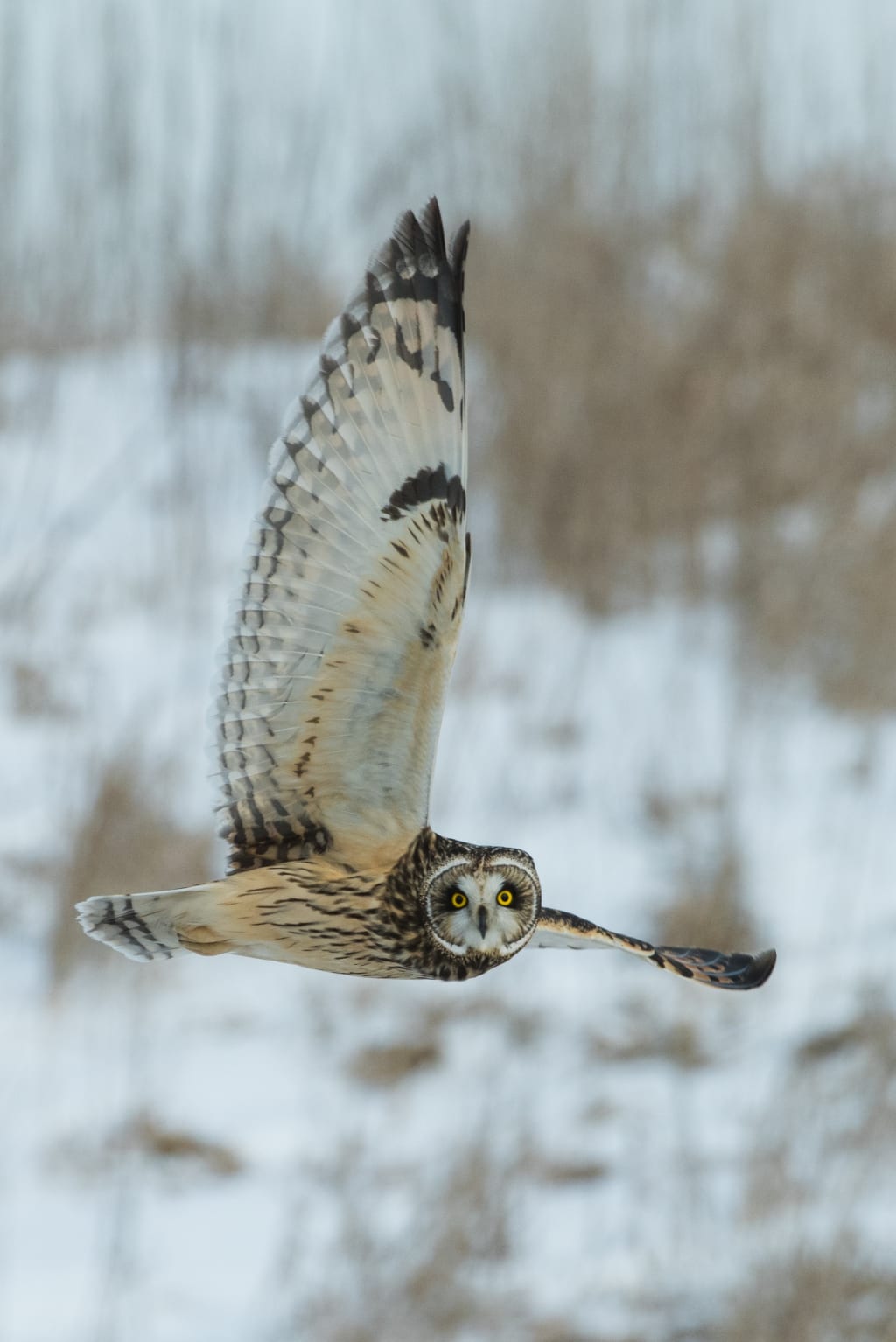
Birds, typically symbols of peace and joy, can sometimes turn from charming creatures to formidable foes, causing trouble for their fellow animals and even humans. In this exploration of avian danger, we encounter a list of birds that bring more than just songs and colorful plumage; they bring trouble, aggression, and, in some cases, deadly consequences.
1. Cassowary: The Prehistoric Menace
With its prehistoric appearance, the cassowary may look fascinating, but it's not a bird to be taken lightly. Weighing up to 175 pounds and standing at five feet, the Australian cassowary is the second-largest bird globally. Sporting a 4-inch dagger-like claw, they use it with lethal precision when attacking. Though they are usually territorial and keep to themselves, disturbing a cassowary can lead to aggressive behavior. Infamous attacks, such as the one in 1926 where a teenage boy was killed, serve as stark reminders of the dangers these majestic birds pose. More recently, a 75-year-old exotic animal collector met a tragic end at the hands of a cassowary he kept on his property.
2. Australian Magpie: A Nest Protector Turned Aggressor
During their nesting period, Australian magpies undergo a startling transformation from seemingly harmless birds to aggressive defenders. In residential areas, where their habitats often overlap with humans, recorded incidents of magpies attacking pedestrians are common. To protect oneself during magpie breeding season, some Australian municipalities recommend wearing wide-brimmed hats or carrying umbrellas. The unpredictability of these attacks makes encounters with Australian magpies potentially dangerous.
3. Southern Giant Petrel: Seabird Turned Airborne Predator
Contrary to the serene image associated with seabirds, the southern giant petrel is an aggressive airborne predator. With a wingspan of up to six feet and speeds reaching 45 miles per hour, these giants dive down mercilessly on their prey, including penguin babies and injured adult penguins. Their lack of natural predators and ruthless hunting behavior challenges conventional perceptions of seabirds.
4. Bearded Vulture: Aerial Bone Dropper
The bearded vulture, also known as the llama gear, is one of the oldest and largest vultures globally, with a wingspan of up to nine feet. While not a direct threat to humans, their unique feeding technique involves dropping bones from heights of up to 250 feet to smash them open and feed on the marrow. Being in the drop zone during this feeding behavior poses a potential risk, especially when they target hard-shell tortoises.
5. Peregrine Falcon: The Sky's Apex Predator
If you thought eagles were the pinnacle of avian predators, meet the peregrine falcon. With speeds reaching up to 240 miles per hour when diving for prey, peregrine falcons are the fastest flying birds globally. Their refined predatory abilities and widespread presence make them formidable masters of the sky, leaving little chance for their prey to escape.
6. Great Horned Owl: Nighttime Menace
Owls, including the great horned owl, are known to attack people when defending their territory, young, or mates. Armed with talons boasting a clutching force equivalent to a large dog's biting force, these owls command respect, especially when traversing their nocturnal domains. While deaths from owl attacks are rare, their potential danger is a reminder to stay vigilant in their presence.
7. Crowned Eagle: Leopard of the Skies
Native to sub-Saharan Africa, the crowned eagle earns its moniker as the "leopard of the skies." While human attacks are infrequent, they feed on a variety of mammals, from small rodents to larger deer-like animals and small monkeys. Anecdotes of a crowned eagle swooping down into a lady's garden and killing a small dog highlight their lethal capabilities, adding a layer of complexity to coexisting with these majestic birds.
8. Mute Swans: Graceful Yet Aggressive
The beauty of mute swans might lure you closer, but during nesting periods, these waterfowls can turn aggressive. Defending their territory, they may pose a real danger, especially to children. Instances, such as a 2012 tragedy where a man kayaking in Chicago was killed by a swan, underscore the importance of maintaining a safe distance and respecting these seemingly graceful creatures.
9. Pitohui: The Colorful Poisoner
Topping the list of dangerous birds is the pitohui, a colorful bird native to Papua New Guinea. Beyond its attractive appearance and melodious song lies a dark secret — it is the only known poisonous bird globally. Accumulating neurotoxic alkaloids from its diet of toxic insects, the pitohui's feathers contain a potentially lethal poison. While not posing a direct physical threat, the pitohui serves as a reminder that danger in nature can come in unexpected and inconspicuous forms.
In the intricate tapestry of the natural world, these birds contribute to a narrative of beauty, danger, and survival. Understanding and respecting the risks associated with encounters with these avian creatures are crucial for maintaining a harmonious balance between human activity and the diverse wonders of the animal kingdom.
About the Creator
Līva
World is interesting place. Scary, but worth living.
Nature is full of surprises and people are... well, people are something else.
Art is the best doctor.
Severe Cold Grips the Country as Hunza Records −21°C: Pakistan Faces a Deep Winter Freeze
A powerful cold wave has swept across Pakistan, plunging temperatures to alarming lows and turning daily life into a test of endurance for millions. The northern region of Hunza has recorded a bone-chilling −21°C, marking one of the coldest temperatures of the season and drawing national attention to the intensity of this winter. As icy winds cut through valleys and plains alike, the country is experiencing a severe cold spell that is affecting health, travel, agriculture, and energy supplies. Hunza at the Center of the Freeze Hunza, known worldwide for its breathtaking landscapes and serene beauty, has transformed into a frozen world. At −21°C, rivers partially freeze, roads become slippery, and even routine activities turn risky. Residents of the valley, though accustomed to harsh winters, describe this cold as unusually intense. Water pipelines have frozen solid, livestock require special care, and heating resources are stretched to their limits. Despite the extreme conditions, life continues. Locals rely on traditional methods of insulation, wood-burning stoves, and community cooperation to survive the cold nights. However, the severity of the temperature has raised concerns about vulnerable groups, including the elderly, children, and those living in remote areas with limited access to fuel and medical facilities. Cold Wave Spreads Across Pakistan While Hunza sits at the epicenter of the cold, the effects are being felt nationwide. Gilgit-Baltistan and parts of Khyber Pakhtunkhwa are experiencing sub-zero temperatures, while major cities like Islamabad, Lahore, and Karachi are facing unusually cold mornings and dense fog. In the plains, nighttime temperatures have dropped sharply, catching many residents off guard. The Pakistan Meteorological Department has warned that the cold wave may persist, driven by continental air systems moving southward. These systems not only lower temperatures but also increase the risk of frost, fog, and icy conditions on highways, disrupting travel and trade. Impact on Daily Life and Health Severe cold brings serious health risks, particularly for those without adequate shelter or heating. Hospitals in colder regions report an increase in patients suffering from hypothermia, respiratory infections, and flu-like illnesses. Doctors advise people to stay warm, avoid unnecessary exposure to cold, and ensure proper ventilation when using indoor heaters to prevent carbon monoxide poisoning. In urban areas, gas shortages and power outages have intensified the struggle. Many households face limited gas supply during peak morning and evening hours, forcing families to rely on electric heaters or alternative fuels. This increased demand places additional pressure on the national power grid, raising the risk of load shedding. Agriculture and Livelihoods Under Threat The cold wave poses a significant threat to agriculture, particularly winter crops and orchards. Frost can damage wheat fields, vegetables, and fruit trees, potentially impacting yields and farmers’ incomes. In northern areas, livestock owners are working hard to protect animals from the cold, as freezing temperatures can lead to illness and even death among cattle and sheep. Tourism, a vital source of income for regions like Hunza, has also been affected. While some tourists are drawn by the snow-covered scenery, many trips have been canceled due to dangerous road conditions and travel advisories. Local businesses, already facing economic challenges, are feeling the strain of reduced visitor numbers. Government Response and Preparedness Authorities across Pakistan have issued cold weather alerts and advisories, urging citizens to take precautionary measures. Disaster management agencies are monitoring the situation, particularly in northern and mountainous regions where access can be cut off due to snow and ice. Emergency services have been placed on high alert, and local administrations are working to ensure the availability of fuel, food supplies, and medical assistance. However, experts stress that long-term planning is essential, as extreme weather events are becoming more frequent due to climate change. Climate Change and Extreme Winters Meteorologists and climate scientists point out that while Pakistan has always experienced cold winters, the increasing intensity and unpredictability of such cold waves may be linked to broader climate patterns. Shifts in jet streams and changing atmospheric circulation can result in extreme cold spells in regions not always prepared for them. These events highlight the need for improved infrastructure, better energy management, and stronger disaster preparedness strategies to protect vulnerable populations. Resilience in the Face of the Cold Despite the freezing temperatures, stories of resilience continue to emerge. Communities in Hunza and other cold-hit areas are supporting one another, sharing firewood, food, and shelter. Volunteers and local organizations are stepping in to help those most in need, proving once again the strength of communal bonds in times of hardship. Conclusion As severe cold grips Pakistan and Hunza records a staggering −21°C, the country faces a challenging winter marked by health risks, energy shortages, and economic strain. Yet, amid the icy conditions, resilience and solidarity shine through. This cold wave serves as a reminder of nature’s power and the importance of preparedness, cooperation, and compassion in overcoming even the harshest winters.
By Fiaz Ahmed Brohi7 days ago in Earth


Comments
There are no comments for this story
Be the first to respond and start the conversation.