
The AI Boom Will Increase U.S. Carbon Emissions—But It Doesn’t Have to
How Smarter Policy, Cleaner Energy, and Better Design Can Prevent Artificial Intelligence From Becoming a Climate Liability

Artificial intelligence is reshaping the U.S. economy at a breathtaking pace. From generative AI tools and cloud computing to data-driven healthcare and finance, the AI boom promises productivity gains, innovation, and economic growth. But beneath this technological optimism lies a growing concern: AI is energy-hungry, and without intervention, it could significantly increase U.S. carbon emissions.
The good news is that this outcome is not inevitable. With the right mix of policy choices, infrastructure investments, and technological design, the AI revolution can advance without becoming a climate disaster.
Why AI Uses So Much Energy
Modern AI systems depend on massive data centers that operate around the clock. Training large language models and running AI-powered applications requires enormous computing power, which translates directly into electricity demand.
In the United States, data centers already account for a growing share of electricity consumption. As AI adoption accelerates, analysts warn that power demand from data centers could double within the next decade. If this additional energy comes primarily from fossil fuels, carbon emissions will rise accordingly.
The challenge is not AI itself, but how and where its energy is produced.
The Carbon Risk
Many U.S. data centers are still connected to electricity grids heavily reliant on natural gas and coal. While renewables are expanding, they are not yet sufficient everywhere to meet the rapid surge in demand created by AI infrastructure.
This mismatch could undermine national climate goals. The U.S. has committed to reducing greenhouse gas emissions significantly over the coming decades, yet unchecked AI-driven energy demand could push emissions in the opposite direction.
Environmental advocates warn that failing to plan for AI’s energy footprint now will lock in higher emissions for years to come.
Why This Is Not Inevitable
Despite the risks, experts emphasize that AI does not have to be a climate villain. In fact, AI could become a net positive for the environment if deployed responsibly.
Several factors make this possible:
Rapid growth of renewable energy
Improvements in energy-efficient chips
Smarter data center design
AI’s own ability to optimize energy use
The key question is whether policymakers and companies act fast enough to align AI growth with climate priorities.
Cleaner Power for Data Centers
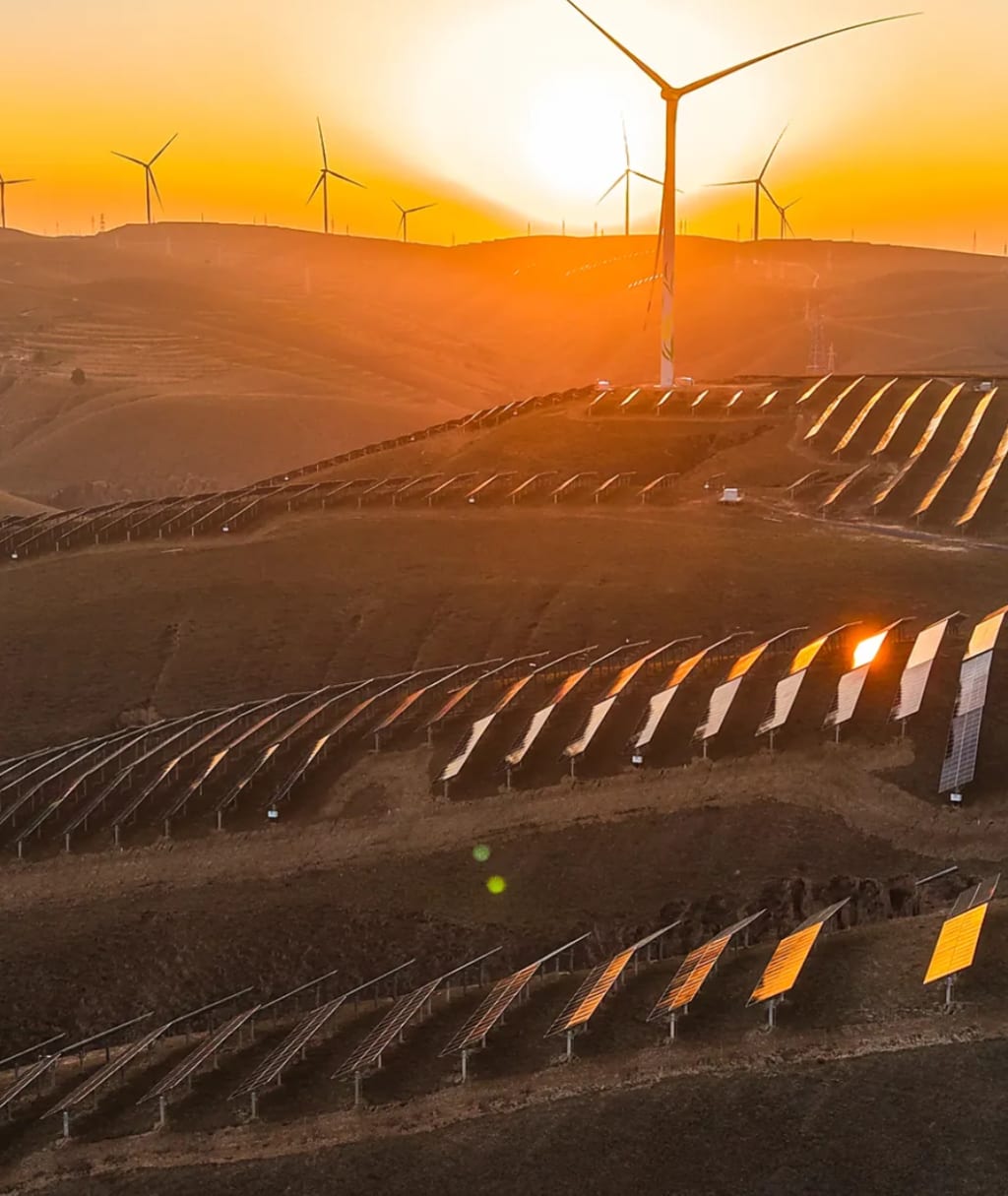
One of the most effective solutions is powering AI infrastructure with clean energy. Many major technology companies have already committed to using 100% renewable electricity, investing heavily in solar, wind, and energy storage projects.
However, voluntary commitments are not enough. Experts argue that stronger grid planning is needed to ensure renewable energy keeps pace with AI-driven demand. This includes:
Faster permitting for clean energy projects
Expanded transmission infrastructure
Incentives for data centers to locate near renewable power sources
Without these changes, new data centers risk increasing reliance on fossil fuels simply because clean energy is unavailable at scale.
Making AI More Energy-Efficient
Not all AI models are equally energy-intensive. Researchers are increasingly focused on efficiency-first AI, developing models that require less computing power while delivering similar performance.
Advances in semiconductor design are also crucial. New generations of AI chips consume less electricity per operation, reducing overall energy demand. Optimized software, better cooling systems, and workload scheduling can further lower emissions.
Efficiency improvements may not eliminate AI’s energy footprint, but they can significantly slow its growth.
AI as a Climate Solution
Ironically, the same technology that threatens to raise emissions can also help reduce them. AI is already being used to:
Optimize power grids
Improve renewable energy forecasting
Reduce waste in manufacturing
Increase efficiency in transportation and logistics
If deployed strategically, AI could cut emissions across the broader economy, potentially offsetting its own carbon footprint.
The challenge lies in ensuring that these climate-positive uses are prioritized alongside commercial applications.
The Role of Public Policy
Government policy will play a decisive role in determining whether AI worsens or improves the climate outlook. Experts suggest several steps:
Carbon-aware grid planning: Require large data centers to account for emissions impact
Transparency rules: Mandate reporting of energy use and emissions from AI infrastructure
Clean energy standards: Encourage or require data centers to use low-carbon power
Research funding: Support development of energy-efficient AI models and hardware
Without clear policy guidance, market forces alone may favor speed and scale over sustainability.
A Narrow Window for Action
The AI boom is still in its early stages, which means there is a rare opportunity to shape its trajectory. Decisions made today about infrastructure, energy sourcing, and regulation will determine emissions for decades.
If the U.S. treats AI growth as purely a technological race, climate consequences may be ignored until they become costly and difficult to reverse. But if AI expansion is paired with clean energy and efficiency from the start, the country can avoid locking in unnecessary emissions.
Conclusion
The rise of artificial intelligence will almost certainly increase U.S. electricity demand—and without careful planning, carbon emissions along with it. But this outcome is not unavoidable.
With cleaner power grids, more efficient AI systems, smarter policy, and responsible corporate leadership, the AI boom can coexist with climate goals. In fact, AI has the potential to become one of the most powerful tools in the fight against climate change.
The question is not whether AI will shape the future—it already is. The real question is whether that future will be sustainable.
About the Creator
Muhammad Hassan
Muhammad Hassan | Content writer with 2 years of experience crafting engaging articles on world news, current affairs, and trending topics. I simplify complex stories to keep readers informed and connected.
Keep reading
More stories from Muhammad Hassan and writers in Earth and other communities.
Pakistan and China Seek to Boost Bilateral Agricultural Trade
Pakistan and China are taking steps to enhance their bilateral agricultural trade, reflecting a growing focus on food security, technological exchange, and economic cooperation. This initiative comes as both countries look to strengthen ties within the framework of the China-Pakistan Economic Corridor (CPEC) and broader trade agreements, while addressing domestic and global challenges in the agricultural sector.
By Muhammad Hassana day ago in Earth
Philippines Paper Bags Market: Packaging Shifts, Environmental Policy & Changing Consumption Patterns
Philippines Paper Bags Market Overview The Philippines paper bags market is undergoing a structural shift as environmental regulation, packaging reform and consumer awareness increasingly influence material choices across industries. According to IMARC Group, The Philippines paper bags market size was valued at USD 28.59 Million in 2025 and is projected to reach USD 46.95 Million by 2034, growing at a compound annual growth rate of 5.66% from 2026-2034. This expansion reflects gradual but consistent changes in packaging practices rather than a single disruptive trend.
By Manisha Dixita day ago in Earth
How, Too
Many people wonder how, too. You are not alone, and I am an expert. I will teach you how, too! First, you need to remit a small application fee and fill out an application describing the nature of your financial situation and how often payments will be made, as this will have great bearing on how well I teach you how, too.
By Harper Lewis6 days ago in Fiction




Comments
There are no comments for this story
Be the first to respond and start the conversation.