Nature
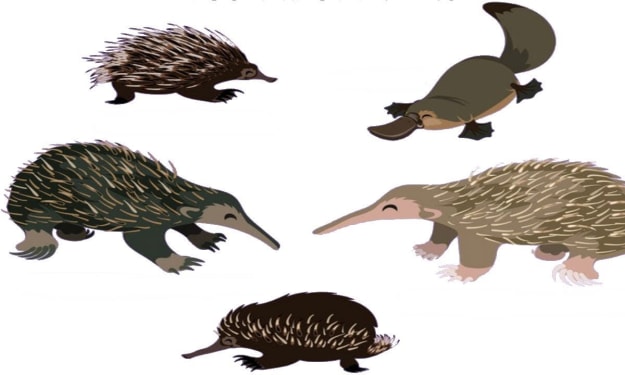
Monotremes: The Unique and Endangered Egg-Laying Mammals
Monotremes are a unique group of mammals that are characterized by their unusual reproductive and evolutionary traits. They are the only group of mammals that lay eggs instead of giving birth to live young, and they also lack nipples, instead excreting milk through specialized patches on their skin. Monotremes are also the most primitive group of mammals, having diverged from the rest of the mammalian lineage approximately 200 million years ago. In this article, we will explore the fascinating world of monotremes, their biology, behavior, and conservation.
By Kamal Mourya3 years ago in Earth
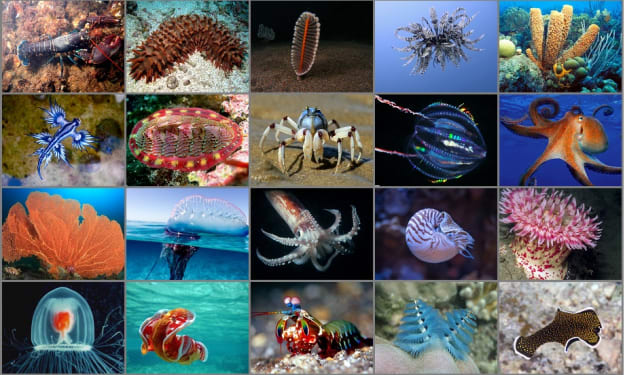
Exploring the Fascinating World of Invertebrates and Their Role in the Ecosystem
Invertebrates are a diverse group of animals that make up more than 95% of all animal species on Earth. They are characterized by the absence of a vertebral column, or backbone, which sets them apart from vertebrates such as mammals, birds, and reptiles. Invertebrates come in all shapes and sizes, from tiny microscopic creatures to giant squids and octopuses.
By Kamal Mourya3 years ago in Earth
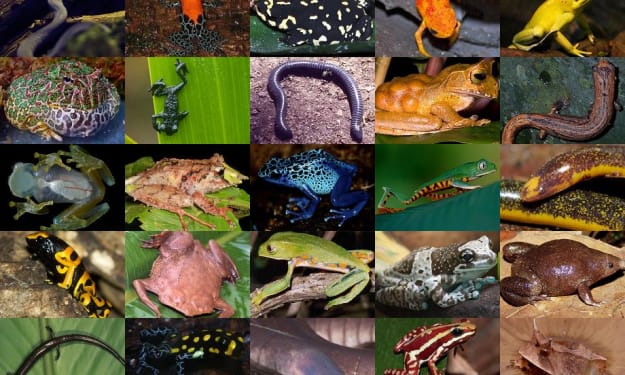
The Fascinating World of Amphibians: Adaptations, Importance, and Threats
Amphibians are a fascinating and diverse group of animals that are found all around the world. They are characterized by their ability to live both on land and in water, and have a variety of adaptations that allow them to thrive in these different environments. In this article, we will explore some interesting facts about amphibians and their importance to the ecosystem.
By Kamal Mourya3 years ago in Earth
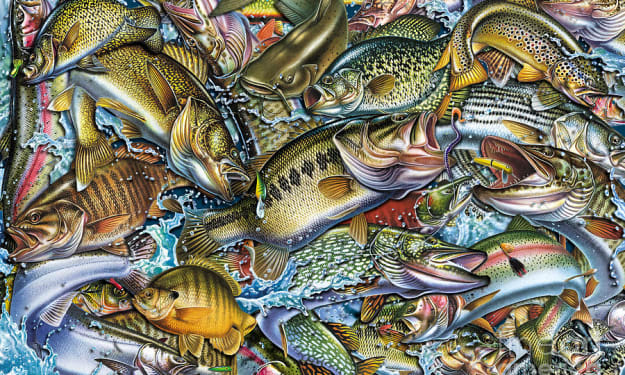
The Importance of Fish in Our Ecosystems and Food Systems
Fish are an incredibly diverse and important group of animals that are found in almost every part of the world. They are a crucial source of food for millions of people and play a vital role in the health of our planet's ecosystems. In this article, we will explore some interesting facts about fish and their importance to our planet.
By Kamal Mourya3 years ago in Earth
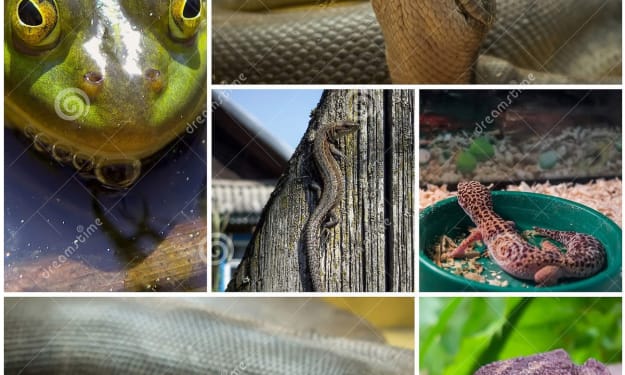
The Fascinating World of Reptiles: Characteristics, Importance, and Threats
Reptiles are a diverse and fascinating group of animals that have been around for over 300 million years. They are characterized by their scaly skin, cold-blooded nature, and ability to lay eggs on land. Reptiles are found in almost every part of the world, from deserts to rainforests, and come in a wide variety of shapes and sizes. In this article, we will explore the unique characteristics of reptiles, their role in the ecosystem, and some interesting facts about these ancient creatures.
By Kamal Mourya3 years ago in Earth
Exploring the Diversity and Importance of Birds in Ecosystems
Birds are a fascinating group of animals that have captured the attention of humans for thousands of years. They are found in almost every part of the world, from the icy waters of the Arctic to the warm, tropical rainforests of South America. In this article, we will explore the diversity of bird species, their unique adaptations, and their important role in our ecosystem.
By Kamal Mourya3 years ago in Earth
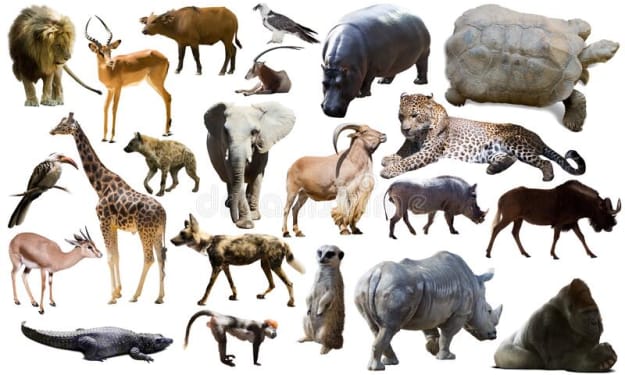
The Importance of Animals in Maintaining the Balance of Nature
Animals are an integral part of our ecosystem and play a significant role in maintaining the balance of nature. They come in all shapes and sizes and can be found in almost every part of the world. From the smallest insects to the largest mammals, animals have always fascinated humans with their diversity, complexity, and beauty. In this article, we will explore some interesting facts about animals and their importance to our planet.
By Kamal Mourya3 years ago in Earth
The Importance of Mammals in Maintaining Ecosystem Balance
Mammals are a diverse group of animals that are characterized by their warm-blooded nature, fur or hair, and the ability to produce milk to feed their young. They are found in almost every part of the world and come in a wide variety of shapes and sizes. From the tiniest shrews to the massive blue whales, mammals are an essential part of our planet's ecosystem.
By Kamal Mourya3 years ago in Earth
Carnatic hymns
Sublimeness and power of music The word music means to tune. Music is an instrument that harmonizes and harmonizes humans and other creatures, and even God. The word music comes from the Greek word mousa. An art favored and encouraged by the Greek goddess Arlanala, later called music.
By Hariprakash Thangarasu3 years ago in Earth
LOST CULTURE OF TAINO PEOPLE OF THE CARIBBEAN
One untold story of a lost culture and tradition is that of the Taino people of the Caribbean. The Taino were an indigenous people who lived in the Caribbean islands, including Cuba, Hispaniola, and Puerto Rico. They had a rich culture and were skilled in agriculture, fishing, and weaving.
By Mark Xavier3 years ago in Earth