Climate
Jamaica Faces the Fury of Hurricane Melissa: A Nation Tested by Nature
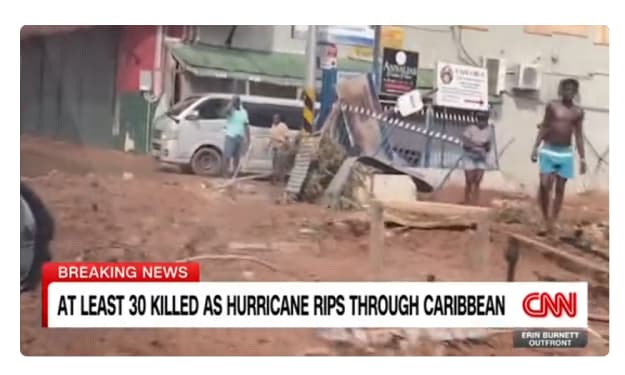
Hurricane Melissa struck Jamaica with unprecedented force, marking one of the most powerful and destructive storms in the island’s history. Making landfall in late October 2025, Melissa unleashed catastrophic winds, torrential rain, and widespread flooding that reshaped entire communities. The hurricane did more than damage infrastructure — it exposed the fragility of an island nation standing at the frontline of climate change.
By America today 3 months ago in Earth
Steps to the Sky
The first light of dawn brushed the horizon with soft gold as Maya tightened her hiking boots. The mountain loomed before her — tall, steady, and glowing faintly in the early sun. She had admired it from her window for years, always telling herself that one day she would climb it. Today, that day had come. The morning air was crisp, filling her lungs with a rush of energy. Birds chirped from hidden perches, and the forest floor sparkled with dew. Every breath tasted like new beginnings. Maya started up the trail, her backpack light but her heart full of excitement. The path wound gently at first through tall pine trees. Shafts of sunlight pierced the branches, forming golden ladders that danced on the ground. The mountain seemed alive — whispering, creaking, and humming with quiet strength. Maya felt it welcoming her, step by step. She paused by a stream that sang its way through smooth stones. Kneeling, she dipped her hands into the cold, clear water and splashed her face. The chill made her laugh out loud. A family of butterflies flitted past her, blue wings flashing like tiny sparks. Everything felt vivid and alive, as if the world itself had been freshly painted. As the trail grew steeper, her breath deepened. Sweat dampened her hair, but she didn’t mind. Each turn offered a new view — valleys wrapped in mist, wildflowers swaying in the breeze, the distant glimmer of a lake catching the sun. She began to understand that hiking wasn’t just about reaching the top; it was about learning to love the journey itself. Midway up, Maya met another hiker — an elderly woman with silver hair tucked under a sunhat. She was sitting on a boulder, sipping tea from a small thermos. “Morning!” the woman said cheerfully. “Beautiful day to chase the sky, isn’t it?” Maya smiled and joined her for a moment. “It is. I didn’t expect it to feel this peaceful.” The woman nodded knowingly. “The mountain teaches us that peace isn’t found by stopping, but by moving forward with care. Every step matters.” They shared a few almonds and stories, laughing easily as though they had known each other for years. When it was time to part, the woman raised her cup and said, “Keep climbing. The view will steal your breath — in the best way.” Encouraged, Maya pressed on. The trees thinned, giving way to open slopes scattered with wild grass. The air grew cooler, the sky closer. Her legs ached, but her spirit soared. Every gust of wind carried the scent of freedom. Finally, after hours of steady climbing, she reached the summit. For a moment, Maya stood still, stunned into silence. Before her stretched an endless sea of peaks, rolling away into the horizon. The clouds drifted below her like soft silver waves. She felt as though she were standing at the edge of the world. A joyful laugh burst from her chest. She dropped her backpack, lifted her arms, and spun slowly in the wind. Up here, the noise of life was gone — no phone calls, no rush, no worries. Only the whisper of the wind and the heartbeat of the earth beneath her feet. She sat on a rock and pulled out her journal. With a trembling hand, she wrote: “I climbed not to conquer the mountain, but to find myself within it.” The sun began to lower, tinting the sky in pink and gold. Maya closed her eyes and breathed deeply, feeling peace settle over her like a soft blanket. The mountain had given her what she didn’t know she was missing — stillness, gratitude, and joy. When she finally began her descent, she felt lighter, as if the mountain had taken her burdens and replaced them with courage. At the foot of the trail, she looked back one last time. The peak glowed in the fading light, a gentle reminder that beauty waits for those who dare to take the first step. Maya smiled. She knew she would return. After all, the mountain still had stories to tell — and so did she.
By Muhammad Saad 3 months ago in Earth
Hurricane Melissa: The Caribbean’s Test of Resilience in a Changing Climate
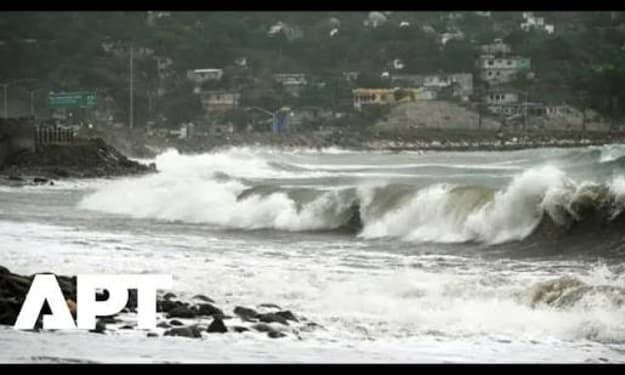
In the early hours of October 29, 2025, the Caribbean awoke to a familiar fear — the low, relentless howl of the wind, the rising ocean spray, and the whisper that another monster storm was coming. Its name was Hurricane Melissa, and by the time its eye brushed past Jamaica’s northern coast, it had grown into one of the most powerful systems of the Atlantic hurricane season — a Category 4 beast with sustained winds of 145 miles per hour.
By Omasanjuwa Ogharandukun3 months ago in Earth
How Technology is Redefining the World
The Dawn of Smart Humanity: How Technology is Redefining the World In every generation, humanity has invented tools that changed the course of civilization. From fire to the wheel, from printing presses to the internet, every breakthrough expanded our possibilities. But today, we stand at the edge of something even greater — an age where technology is no longer just a tool, but a partner.
By Wings of Time 3 months ago in Earth
Hurricane Melissa: Jamaica Braces for Nature’s Wrath. AI-Generated.
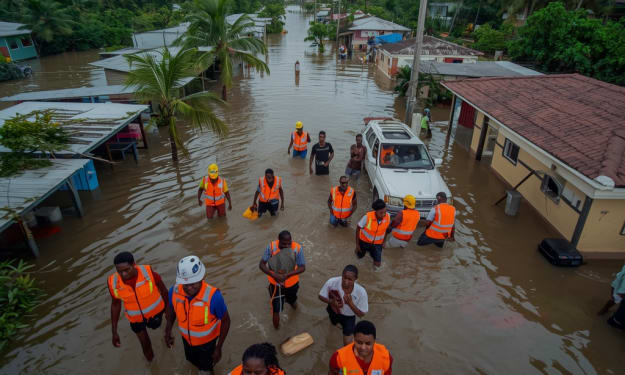
In recent days, Hurricane Melissa has captured global attention as it strengthens over the Atlantic and moves closer to the Caribbean, threatening to unleash heavy rain, fierce winds, and coastal flooding. Among the islands in its path, Jamaica stands particularly vulnerable — a nation well-acquainted with the power of tropical storms but always hoping to escape the worst.
By Fiaz Ahmed 3 months ago in Earth
Climate Anxiety Is actual—but My own family Thinks I simply want Chai and a snooze:. AI-Generated.
I first found out I had climate tension when I cried over a demise plant. It wasn’t dramatic. It changed into a quiet, wilting basil on our balcony sun-scorched, forgotten, and gasping in Karachi’s October warmth. I stared at it for ten minutes before whispering, “same.” That’s when I knew something became incorrect—no longer with the plant, however with me.
By The Writer...A_Awan3 months ago in Earth
Hurricane Melissa — major storm headed for Cuba after hitting Jamaica
In the heart of the Caribbean, where turquoise waters meet lush green landscapes, life has always revolved around the rhythm of the ocean. But in late October 2025, that rhythm turned violent. The tranquil Caribbean skies darkened as Hurricane Melissa—a Category 4 tropical cyclone—swept across the region, leaving a trail of destruction in Jamaica and now barreling toward Cuba. With sustained winds exceeding 140 mph (225 km/h) and rainfall totals reaching catastrophic levels, the storm has become one of the most powerful systems to hit the Caribbean in recent years.
By [email protected]3 months ago in Earth
Beneath the Blue Sky: How South Florida Builds for Tomorrow. AI-Generated.
Beneath the endless blue of a South Florida sky, there’s a quiet kind of progress at work; one that can’t always be seen from the street. The air may hum with the same warmth, the same breeze that carries the scent of salt and rain, but something deeper has changed. Each season, Florida learns. It studies the wind, listens to the rain, and reshapes the way it builds for the future.
By Nikolay Barkalin3 months ago in Earth
"Tourism for Good: How Travel Enriches Communities and Cultures". Content Warning.
Tourism for Good: How Travel Enriches Communities and Cultures In the small town of Ubud, Bali, where lush rice terraces stretch across the land and temples stand as quiet guardians of tradition, the sound of laughter rings out from a local art market. A group of travelers gathers around Wayan, a skilled woodcarver, as he demonstrates the intricate techniques passed down from his grandfather. His hands move gracefully over the teak, shaping a figure that tells a centuries-old story of his people. The visitors are captivated—not just by the craft, but by the connection they feel. This is the essence of tourism done right. Tourism is often seen through two lenses: the economic benefits and the environmental or cultural concerns. But there’s a growing global movement toward responsible, sustainable tourism—a kind of travel that goes beyond sightseeing and selfies, and instead fosters genuine cultural exchange, protects natural beauty, and supports local communities. The Power of Positive Tourism When travelers choose to engage respectfully and consciously, tourism can be a powerful force for good. It creates jobs, supports small businesses, and helps preserve cultural heritage. In many countries, tourism is a key driver of the economy. According to the UN World Tourism Organization, tourism accounts for about 10% of global GDP and supports one in every ten jobs worldwide. In rural areas especially, tourism brings opportunities where few exist. Local guides, guesthouse owners, artisans, and restaurant workers all benefit from the influx of visitors. These jobs not only provide income but also help keep families rooted in their communities instead of migrating to cities in search of work. Take, for example, the mountain villages of Peru’s Sacred Valley. For generations, these communities depended solely on agriculture. But with the rise of cultural tourism around Machu Picchu, locals have opened eco-lodges, guided treks, and weaving cooperatives that allow travelers to experience authentic Andean life. Visitors learn traditional dyeing techniques or share meals cooked with native crops, while their money directly supports local livelihoods. Culture Sharing, Not Culture Selling Responsible tourism is about mutual respect and exchange. Travelers gain a deeper understanding of the places they visit, and locals feel pride in sharing their culture. This exchange builds empathy, reduces prejudice, and strengthens global citizenship. In Morocco, for instance, community-based tourism has helped Berber villages showcase their traditions while maintaining their way of life. Visitors stay in earth-brick homes, learn to cook tagine, and hear oral histories passed down through generations. Rather than turning culture into a product, these experiences honor and preserve it. Of course, there are challenges. Over-tourism can strain resources, damage fragile ecosystems, and drive up local prices. But many destinations are addressing this with sustainable strategies—limiting visitor numbers, promoting off-the-beaten-path locations, and enforcing eco-friendly policies. A Better Way to Travel As travelers, we have the power to shape the tourism industry through our choices. Supporting locally owned accommodations, eating at family-run restaurants, and hiring certified local guides are simple ways to ensure your money stays in the community. Avoiding unethical activities—like elephant rides or exploiting sacred sites—also helps protect the dignity and environment of the places we visit. Technology, too, is playing a role. Apps and platforms now help travelers find eco-lodges, carbon-offset flights, or ethical volunteer opportunities. Social media is being used not just to document trips, but to inspire more conscious travel choices. A Shared Journey In a world that often feels divided, tourism reminds us of what connects us. When done thoughtfully, travel becomes more than recreation—it becomes a bridge between people, a celebration of diversity, and a source of shared hope for a better future. As Wayan finishes his carving in Ubud, he smiles and hands it to a young couple, who thank him not just for the souvenir, but for the story. In that moment, tourism becomes more than an economic transaction—it becomes a meaningful human connection. And in the end, that’s what the best journeys are all about.
By Muhammad Saad 3 months ago in Earth
Understanding the Scientific Consensus on Climate Change. AI-Generated.
Climate change is not just a topic of heated debate; it is a topic grounded in decades of rigorous scientific research. At the heart of this discussion lies a key question: Do scientists agree that climate change is driven by human activities? The short answer is yes — overwhelmingly so.
By John smith3 months ago in Earth
Is this the sixth mass extinction on Earth? Fears could be exaggerated.
Earth is about to experience its sixth major extinction, according to headlines for years. Human activity, according to many experts, has accelerated the extinction of species to levels not seen since the extinction of the dinosaurs.
By Francis Dami3 months ago in Earth
The Arctic once completely melted under a moderate environment is revealed in a hidden cave in Greenland.
The Arctic wasn't always dead and cold. Parts of northern Greenland were green, wet, and teeming with flowing water millions of years ago. Evidence of that lost warmth can now be found in a tunnel beneath its current ice.
By Francis Dami3 months ago in Earth