
Jamaica Faces the Fury of Hurricane Melissa: A Nation Tested by Nature
jamaica hurricane

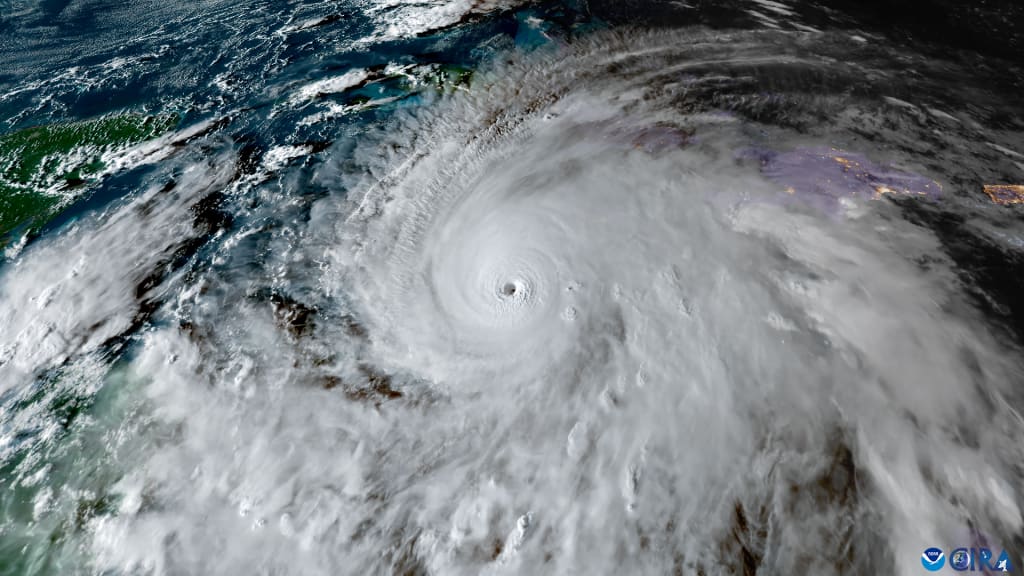
Hurricane Melissa struck Jamaica with unprecedented force, marking one of the most powerful and destructive storms in the island’s history. Making landfall in late October 2025, Melissa unleashed catastrophic winds, torrential rain, and widespread flooding that reshaped entire communities. The hurricane did more than damage infrastructure — it exposed the fragility of an island nation standing at the frontline of climate change.

As the hurricane approached from the Caribbean Sea, it rapidly intensified into a Category 5 storm, packing sustained winds exceeding 185 mph. The southwestern coast of Jamaica bore the full brunt of its impact, with the parishes of Westmoreland, Manchester, and St. Elizabeth suffering immense destruction. Whole neighborhoods were submerged as rivers overflowed their banks, cutting off major highways and isolating towns. Power lines collapsed, roofs were torn away, and telecommunications networks went down for days.
The scale of the power outage was staggering — nearly three-quarters of the island lost electricity. In many areas, residents relied on generators and community centers for basic needs such as clean water and communication. Floodwaters lingered for days, leaving debris, mud, and stagnant pools that threatened public health. For farmers, the storm was devastating. Fields of bananas, sugarcane, and vegetables were wiped out overnight. Agricultural losses are expected to have long-term effects on food prices and rural livelihoods.
In the tourism sector, the backbone of Jamaica’s economy, the blow was equally severe. Resorts along the coast were damaged or completely destroyed. Many hotels evacuated guests before landfall, but some tourists were stranded as airports closed and roads became impassable. The storm’s timing, coming just before the winter tourism season, created additional economic uncertainty. Rebuilding efforts are expected to take months, possibly years, and the financial strain will test both private businesses and government resources.
The human cost of Hurricane Melissa was heartbreaking. Dozens of lives were lost, and many more people remain missing. Tens of thousands were displaced, taking refuge in emergency shelters across the island. In some areas, shelters became overcrowded, while in others, people hesitated to evacuate due to fear of theft or poor conditions. The storm’s rapid intensification gave communities little time to prepare, underscoring the need for better disaster communication and trust in public warnings.
The government mobilized national emergency services, the defense force, and local volunteers to deliver aid and conduct search-and-rescue operations. Relief supplies — food, water, fuel, and medical care — began reaching the most affected parishes within days, but logistics proved difficult. Many rural areas were accessible only by air or by foot due to collapsed bridges and blocked roads. The cleanup operation is immense, and the psychological toll on residents is still unfolding.
Experts say that a combination of environmental and social factors amplified the disaster’s impact. Jamaica’s infrastructure, though improved in recent decades, remains vulnerable to extreme weather. Many coastal homes are built with light materials that cannot withstand hurricane-force winds. Additionally, deforestation in certain regions has worsened flooding by reducing natural drainage. Meanwhile, warming ocean temperatures have increased the frequency and intensity of Caribbean hurricanes — a clear sign of the global climate crisis.
People are asking critical questions in the aftermath of the storm:
**Why was Hurricane Melissa so destructive?**
The hurricane’s extreme power came from rapid intensification fueled by unusually warm ocean waters and favorable atmospheric conditions. It struck land at full strength with minimal weakening, hitting areas with limited protective infrastructure and low elevation, which increased flooding and wind damage.
**Was Jamaica prepared for the hurricane?**
Emergency warnings were issued in advance, and shelters were opened, but the storm intensified faster than expected. Some residents ignored evacuation orders, while others had nowhere safe to go. The situation revealed the need for stronger housing, better drainage systems, and improved public awareness campaigns.
**What are the biggest challenges after the storm?**
Restoring power and clean water supplies remains a top priority. Clearing debris, rebuilding roads, and reopening schools and hospitals are ongoing tasks. The government also faces the challenge of preventing disease outbreaks and supporting those who have lost homes and jobs.
**How does this affect Jamaica’s economy?**
The economic impact will be profound. Agriculture and tourism, two of the country’s key industries, suffered massive losses. Many small businesses were destroyed, and rebuilding costs will be high. Recovery will depend on both local efforts and international financial support.
**What does this event reveal about climate change?**
Hurricane Melissa is part of a troubling trend of stronger, faster-forming storms in the Caribbean. It shows how climate change is increasing the risk for island nations, which contribute little to global emissions but suffer disproportionately from their effects. The storm underscores the urgency for climate adaptation — from stronger building codes to improved early-warning systems.
Jamaica now faces the long road to recovery. The resilience of its people is being tested once again, but the spirit of unity that emerged after the storm offers hope. Across the island, communities are coming together to rebuild homes, clear debris, and support those in need. Yet Hurricane Melissa is also a warning — a sign that the era of “once-in-a-century” storms may be over. For Jamaica and the wider Caribbean, the future depends on learning from this disaster and strengthening defenses against the next.
About the Creator
America today
Breaking news, political insights, real-time analysis, U.S. politics, global politics, elections, government policies, international relations, diplomacy, political debates, trending political stories, expert commentary, factual reporting,.
Keep reading
More stories from America today and writers in Earth and other communities.
Trump’s Message to Norway: A Controversial Diplomatic Signa
**Trump’s Message to Norway: A Controversial Diplomatic Signal** In January 2026, a written message sent by former U.S. President Donald Trump to Norway’s Prime Minister Jonas Gahr Støre sparked widespread political debate and media attention. The message quickly became a topic of discussion across the United States and Europe, not because it announced a formal policy change, but because of its tone and implications. It reflected Trump’s personal view of international recognition, his frustration over the Nobel Peace Prize, and his broader vision for American power and security in a changing world.
By America today about 9 hours ago in Earth
China Cracks Down on Ships Using Starlink
A New Front in China’s Technology Control China has intensified its crackdown on ships using Starlink, the satellite internet service operated by Elon Musk’s SpaceX, signaling a sharp escalation in Beijing’s efforts to control information flows and foreign technology. Authorities have warned commercial vessels, fishing boats, and private operators against using unapproved satellite communication systems, citing national security and data sovereignty concerns.
By Aarif Lashari5 days ago in Earth
Elon Musk Says Retirement Savings “Won’t Matter” in 20 Years—Here’s What Experts Think
Recently, Elon Musk sparked a heated debate on social media with a bold claim: in 20 years, traditional retirement savings “won’t matter.” The Tesla and SpaceX CEO suggested that the way people think about money and retirement today might be completely obsolete in a couple of decades. As usual, Musk’s statements are equal parts provocative and visionary, leaving many wondering whether they should rethink their financial plans entirely. To get clarity, we reached out to seven personal finance and AI experts to hear their thoughts on Musk’s prediction. Their insights provide a mix of caution, optimism, and futuristic thinking. 1. The Case for Obsolescence: AI and Automation AI strategist Dr. Karen Liu believes Musk isn’t exaggerating when he talks about the diminishing importance of retirement savings. “If AI and automation continue at the current pace, many traditional jobs could disappear,” she explains. “By 2046, people might earn income from AI-driven ventures, digital assets, or royalties rather than a 9-to-5 paycheck. In that case, the way we save for retirement could indeed look very different.” She emphasizes that new financial models might emerge, such as universal basic income (UBI) or AI-managed wealth portfolios, making conventional retirement accounts less critical. “People might no longer need 401(k)s or IRAs in the same way we do now,” she adds. 2. The Human Factor: Some Things Don’t Change Personal finance advisor Marcus Bell takes a more conservative view. “Even if the economy changes drastically, money management skills won’t be irrelevant,” he says. “Musk may be right that retirement savings as we know them may evolve, but having a financial cushion will always matter. Emergencies, healthcare costs, and life changes won’t disappear.” Bell suggests a hybrid approach: continue contributing to traditional retirement accounts while exploring alternative investments like digital currencies, AI-managed funds, or entrepreneurial ventures. 3. Cryptocurrency and the Digital Asset Revolution Crypto expert Priya Desai sees Musk’s comment as a nod toward the rise of digital assets. “By 2046, much of personal wealth may reside in cryptocurrencies, tokenized real estate, and NFTs rather than bank accounts or pensions,” she says. Desai believes that blockchain technology could redefine ownership and wealth accumulation, making traditional retirement savings less central. However, she cautions: “Digital assets are highly volatile. While they may replace some retirement vehicles, they aren’t a guaranteed substitute. Diversification will remain crucial.” 4. AI-Powered Wealth Management AI entrepreneur Rohan Kapoor points out that AI itself could make traditional retirement planning almost obsolete. “Imagine AI systems that continuously optimize your investments, taxes, and spending in real-time,” he says. “If AI handles wealth accumulation more efficiently than humans, you may not need to manually save and plan decades in advance.” Kapoor predicts that by 2046, AI advisors could create personalized financial lifelines that automatically adjust for inflation, market changes, and lifestyle goals. In this scenario, traditional 401(k)s might feel outdated. 5. The Social Safety Net Factor Economist Dr. Elise Morgan reminds us that social and political structures will also play a role. “Even if technology changes how wealth is accumulated, government programs like Social Security, healthcare, or UBI will shape retirement,” she explains. “Musk’s statement assumes a high-tech, highly automated economy, which is just one possible scenario.” Morgan urges caution: relying solely on futuristic predictions could be risky. Traditional savings may still act as a fallback if economic or technological disruptions fail to deliver as Musk anticipates. 6. Mindset and Wealth Beyond Money Financial psychologist Sandra Liu emphasizes that wealth isn’t only monetary. “Even if retirement accounts lose their traditional meaning, financial literacy, resourcefulness, and the ability to leverage technology will remain critical skills,” she says. “Musk’s prediction is more about mindset than accounts. People who can adapt, innovate, and use technology to generate income will thrive regardless of conventional savings.” 7. Preparing for the Future, Not Panicking Finally, futurist Jared Thompson encourages a pragmatic approach: “Don’t panic or abandon your retirement plan just because Elon Musk said so. Think of it as a signal to diversify—invest in tech, learn AI skills, and explore new income streams.” Thompson suggests a “layered strategy”: keep some traditional retirement savings while experimenting with AI-driven investment platforms, cryptocurrencies, and entrepreneurial projects. What Does This Mean for You? Musk’s prediction may sound extreme, but the expert opinions reveal a spectrum of possibilities. Here’s a practical takeaway: Keep saving, but diversify: Don’t abandon retirement accounts, but explore AI-driven investments, crypto, or digital assets. Invest in skills: AI, coding, and tech literacy may be as valuable as cash reserves in 20 years. Embrace flexibility: Financial plans should be adaptable to rapid technological and societal changes. Mind the basics: Emergency funds, debt management, and smart spending remain essential regardless of tech trends. In short, Musk’s warning isn’t necessarily a call to abandon traditional retirement planning—it’s a reminder that the future of money is changing rapidly. Those who combine conventional strategies with an eye on emerging technologies may be the ones who truly thrive in 2046. Conclusion: Elon Musk’s claim that retirement savings “won’t matter” in 20 years is provocative, but it opens an important conversation about the intersection of finance, technology, and the future of work. While some experts see it as a harbinger of radical change, others stress prudence and flexibility. Either way, the message is clear: the next two decades will demand both financial savvy and tech literacy. The question isn’t whether retirement savings will disappear—it’s whether you’ll adapt to the evolving financial landscape.
By Muhammad Hassan4 days ago in Earth



Comments
There are no comments for this story
Be the first to respond and start the conversation.