

Sunlight is a type of electromagnetic radiation that is produced by the sun. It is composed of photons, which are particles of light, and travels through space in straight lines at a speed of 299,792 kilometers per second. Sunlight is essential to life on Earth, as it provides energy for photosynthesis, the process by which plants produce their own food. This process produces oxygen, which is necessary for all living things to breathe. Sunlight also affects our mood and helps regulate our sleep patterns, through its effect on the production of the hormone melatonin. However, too much exposure to sunlight can lead to skin damage and increase the risk of skin cancer. Therefore, it's important to protect yourself from the sun's harmful rays by using sunblock, wearing protective clothing, and seeking shade during peak sun hours.
Sunlight has many practical uses, both for individuals and for industries. Some of these uses include:
- Energy production: Sunlight can be converted into electricity using solar panels, which are becoming increasingly popular as a source of renewable energy.
- Agriculture: Sunlight is crucial for the growth of crops and is used in greenhouse farming to control temperature and light levels.
- Health and wellness: Sunlight provides vitamin D for the human body, which is essential for strong bones, and can also help improve mood and treat seasonal affective disorder (SAD).
- Water treatment: Sunlight can be used to purify water, through a process known as solar water disinfection.
- Space exploration: Sunlight is used to power satellites and spacecraft, and is also used in communication technology.
- Architecture and design: Sunlight is an important factor in the design of buildings and public spaces, as it affects temperature, lighting, and overall comfort levels.
Overall, sunlight plays a vital role in many aspects of daily life and has numerous practical applications.
SUNLIGHT IN AGRICULTURE:
Sunlight is a critical component of agriculture as it provides energy for photosynthesis, the process by which plants produce their own food. Without adequate sunlight, crops would not be able to grow properly and yield a harvest.
In traditional agriculture, farmers try to maximize the amount of sunlight that their crops receive by selecting the right time to plant, choosing the right crop for their climate, and using techniques like crop rotation to keep fields productive. In modern agriculture, greenhouses are used to grow crops year-round, regardless of the outdoor weather conditions. The controlled environment of a greenhouse allows farmers to regulate temperature, humidity, and light levels, providing ideal growing conditions for their crops.
In addition to providing energy for photosynthesis, sunlight also affects the growth and development of crops. For example, too much sunlight can lead to heat stress, which can reduce crop yields. On the other hand, not enough sunlight can result in stunted growth.
Therefore, understanding the role of sunlight in agriculture and how to manage it effectively is critical for ensuring a successful harvest and a sustainable food supply.
SUNLIGHT IN WATER TREATMENT:
Sunlight is used in water treatment as a way to purify water, through a process known as solar water disinfection (SODIS). SODIS is a simple and low-cost water treatment method that utilizes UV radiation from the sun to kill harmful microorganisms in contaminated water.
In the SODIS process, contaminated water is placed in a clear plastic bottle, which is then exposed to the sun. The UV radiation from the sun penetrates the plastic bottle, killing bacteria, viruses, and other pathogens. The heat generated by the sun also contributes to the disinfection process.
SODIS is an effective water treatment method for communities without access to safe drinking water, as it does not require electricity, fuel, or chemicals. It is also an eco-friendly alternative to chemical-based water treatment methods, which can have harmful effects on the environment and human health.
However, SODIS is not effective in treating water that is heavily contaminated with chemicals, as the UV radiation from the sun does not effectively remove chemicals from water. In these cases, other water treatment methods, such as activated carbon filtration or reverse osmosis, may be necessary.
Overall, SODIS is a simple and effective way to treat water in communities without access to safe drinking water and is an example of how sunlight can be harnessed for practical applications.
About the Creator
usharani
Hi everyone. I am interested in creating a stories and thus I feel this vocal media is a best platform to share my thoughts as stories so give your response to encourage my stories it would boost me to write new concepts. 'Thankyou for all'
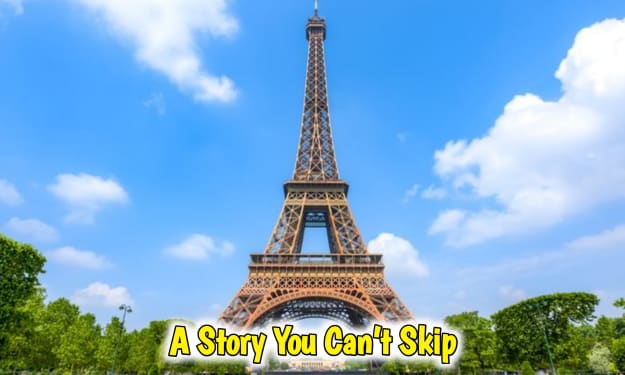
The Eiffel Tower: Paris’s Iron Soul and the Story Behind Its Global Magic
The Eiffel Tower is more than a landmark rising above the Paris skyline. It is a symbol of human imagination, engineering courage, and the timeless romance of France. Millions visit it every year, yet few know the deeper story—how a controversial iron structure built for a temporary event became one of the most beloved monuments on Earth. Standing tall since 1889, the Eiffel Tower has witnessed revolutions, world wars, artistic movements, and generations of travelers who came to Paris searching for beauty, inspiration, or simply a moment they would never forget. 🌍 A Monument Born From a Global Celebration The Eiffel Tower was created for the 1889 Exposition Universelle, a world fair celebrating the 100th anniversary of the French Revolution. The French government held a competition for a monument that would represent modern engineering and national pride. Over 100 designs were submitted, but the winning proposal came from Gustave Eiffel, a renowned engineer whose company specialized in metal frameworks. Construction began on January 28, 1887, and was completed on March 31, 1889—an astonishing achievement in just over two years. When it opened, the tower served as the grand entrance to the exposition, welcoming millions of visitors from around the world. 🛠️ Engineering Genius: How the Tower Was Built The Eiffel Tower was a radical idea for its time. Paris was a city of stone, sculptures, and classical architecture. A 300‑meter iron tower seemed outrageous to many. Yet Gustave Eiffel and his team believed in the power of innovation. Key engineering facts - Height at completion: 300 meters (984 ft), making it the tallest structure in the world until 1930. - Current height: 330 meters (1,083 ft) including antennas. - Weight: About 10,100 tons. - Iron pieces: 18,038 individual components. - Stairs: 1,665 steps to the top. - Construction time: 2 years, 2 months, 5 days. The tower’s lattice design wasn’t just artistic—it was functional. The open iron framework allowed wind to pass through, giving the structure remarkable stability. Gustave Eiffel famously said the tower was “not only the art of the engineer, but also the art of the architect.” 🎨 From Controversy to Cultural Icon When the Eiffel Tower was unveiled, not everyone loved it. In fact, many Parisians hated it. Writers, artists, and intellectuals signed petitions calling it an eyesore. They said it looked like a “giant smokestack” and would ruin the beauty of Paris. But as time passed, the tower won hearts. - It became a symbol of modernity. - It became a symbol of Parisian pride. - It became a symbol of France itself. By the early 20th century, the Eiffel Tower had transformed from a temporary exhibition piece into a permanent global icon. 📡 A Tower That Saved Itself The Eiffel Tower was originally meant to stand for only 20 years. After the exposition, it was supposed to be dismantled. What saved it? Science. Gustave Eiffel allowed the tower to be used for radio experiments. Its height made it ideal for broadcasting signals. During World War I, the tower intercepted enemy communications, helping France in critical moments. Its usefulness ensured its survival. 💑 The Human Side: Why the Eiffel Tower Feels Magical People don’t fall in love with the Eiffel Tower because of its measurements or engineering. They fall in love with how it makes them feel. Standing beneath it, you feel small—but in a good way. Climbing it, you feel connected to history. Seeing Paris from the top, you feel like the world is bigger and more beautiful than you realized. The tower has become: - A symbol of love - A backdrop for proposals - A dream destination for travelers - A muse for artists and filmmakers It is the beating heart of Paris. 🌆 Visiting the Eiffel Tower: What to Expect A visit to the Eiffel Tower is a journey through levels of history, architecture, and breathtaking views. The Esplanade The ground level offers a close-up look at the tower’s massive iron legs and the engineering that holds it together. The First Floor - Transparent floors - Exhibits on the tower’s history - Restaurants and shops The Second Floor This level offers one of the best panoramic views of Paris—close enough to see details, high enough to feel the city’s scale. The Summit At 276 meters, the top floor gives a sweeping view of the entire Paris region. Gustave Eiffel’s private office has been recreated here. 🌙 The Eiffel Tower at Night Every evening, the Eiffel Tower lights up with a warm golden glow. And for five minutes at the start of each hour, it sparkles with 20,000 twinkling lights. This nightly ritual has become one of the most magical sights in the world. 📚 Fun and Surprising Facts - The Eiffel Tower was the tallest structure in the world until the Chrysler Building surpassed it in 1930. - It was originally painted red‑brown, then yellow, and now “Eiffel Tower Brown.” - Gustave Eiffel’s company also built the metal framework for the Statue of Liberty. - The tower sways slightly in strong winds—up to 9 cm. - It is the most visited paid monument in the world. 💬 Why the Eiffel Tower Still Matters The Eiffel Tower endures because it represents something universal: the human desire to create, to innovate, and to leave something beautiful behind. It is a reminder that even the most controversial ideas can become beloved. It is proof that art and engineering can coexist. It is a symbol of Paris, of France, and of the world’s shared cultural heritage. If this story brought the Eiffel Tower to life for you, share it with someone who dreams of visiting Paris. Leave a comment with your favorite Eiffel Tower moment—or the moment you hope to experience someday. And if you’d like to support more human‑centered, deeply researched stories like this, feel free to leave a tip. It helps bring more inspiring content to life.
By Haroon Pasha3 days ago in Earth

Comments
There are no comments for this story
Be the first to respond and start the conversation.