
Steps for Organizing Controlled Medications Collection
Organizing controlled medications is not just about keeping things neat—it's about ensuring safety, compliance, and efficiency.
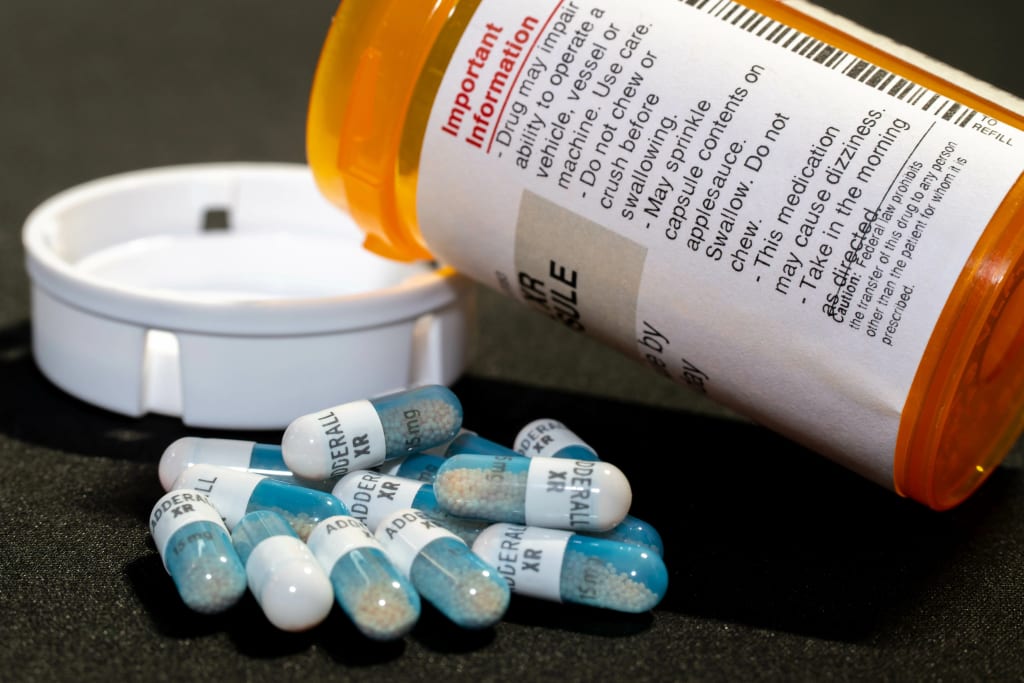
Handling controlled medications requires meticulous care and adherence to strict regulations. Whether you're a healthcare provider, a pharmacist, or someone managing medications at home, organizing these substances efficiently is critical. How do you ensure that everything is in order? What are the steps to guarantee that you're handling these controlled medications collection safely?
To know all these things, we are here with the article consisting of all your answers.
Understanding Controlled Medications
Controlled medications are substances with a high potential for abuse, classified and regulated under strict laws. This category includes narcotics, stimulants, depressants, and specific prescription drugs. Effective organization of these medications is crucial to prevent misuse, safeguard patient health, and adhere to legal standards. Proper management practices, such as secure storage and meticulous record-keeping, help ensure that controlled medications are used appropriately and responsibly, minimizing risks and maintaining compliance with regulatory requirements.

Best Methods for Organizing Controlled Medications Safely and Efficiently
Key Steps for Streamlining Your Controlled Medications Collection include:-
Step 1: Identify Controlled Medications
The first step in organizing your collection is identifying which medications are classified as controlled substances. This involves checking the drug schedules set by your local or national regulatory bodies. Once identified, separate these medications from non-controlled drugs to minimize confusion.
Step 2: Secure Storage Solutions
Controlled medications must be stored in a secure, locked environment. Depending on the volume and type of drugs, this could be a lockbox, a dedicated cabinet, or even a vault. Security measures such as surveillance cameras and restricted access can further protect the medications.
Step 3: Inventory Management
Maintaining an accurate inventory is crucial for managing controlled medications treatment. Create a detailed log that includes information such as the drug name, quantity, and expiration date. Also, update this inventory regularly, and reconcile it with physical counts to detect any discrepancies early on.
Step 4: Labeling and Documentation
Proper labeling is essential for preventing errors in medication administration. Each container should be clearly labeled with the drug name, dosage, and other relevant information. Additionally, keeping thorough documentation of all transactions, including dispensing and disposal, ensures accountability.
Step 5: Regular Audits and Reviews
Audits must be carried out to verify compliance and find any discrepancies. These can be internal or conducted by external authorities. Audits should review inventory records, storage conditions, and adherence to legal requirements. Additionally, establishing frequent checkups aids in identifying problems before they become more serious.
Step 6: Proper Disposal Methods
Disposing of controlled medications requires special attention to avoid environmental harm and prevent misuse. Follow established protocols for the destruction of these drugs, such as incineration or using authorized take-back programs. Document all disposals for legal compliance.
Step 7: Staff Training and Education
Everyone involved in handling controlled medications must be adequately trained. Regular training sessions should cover topics like identification, storage, disposal, and emergency procedures. Educated staff members are more likely to follow best practices, reducing the risk of errors.
Step 8: Compliance with Regulations
It is not negotiable to adhere to local, state, and federal rules. This includes understanding and adhering to laws regarding storage, record-keeping, and reporting. Serious consequences, including fines and license suspension, may result from noncompliance.
Step 9: Emergency Preparedness
In case of an emergency, such as a natural disaster or a security breach, having a plan in place is crucial. This plan should outline how to protect the medications and ensure their safe recovery. Review and update your emergency preparation strategy regularly.
Step 10: Using Technology for Management
Leveraging technology can streamline the management of controlled medications. Software tools can assist with inventory tracking, auditing, and documentation. Moreover, these tools often come with built-in compliance features that help ensure adherence to regulations.
Step 11: Communication and Collaboration
A team's ability to communicate effectively is essential to good management. Regular meetings and clear protocols ensure that everyone is on the same page. Collaboration with external bodies, such as regulatory agencies, can also provide additional support and guidance.
Conclusion
Organizing controlled medications is not just about keeping things neat—it's about ensuring safety, compliance, and efficiency. By following the steps outlined in this guide, you can manage these sensitive substances responsibly and effectively. Whether you’re handling medications in a healthcare setting or at home, these practices will help you maintain control and avoid potential risks.
About the Creator
Could AI Trigger World War III?
Could AI Trigger World War III? Artificial Intelligence is changing how wars are planned, predicted, and possibly started. Unlike past technologies, AI does not only build weapons—it makes decisions. This is why many experts now ask a frightening question: could AI trigger World War III? The danger does not come from evil machines, but from how humans are using speed, automation, and data in a world full of mistrust.
By Wings of Time 3 days ago in Earth
Nancy Guthrie: Is a miracle still possible after close to two weeks?
Close to two weeks since Nancy Guthrie's abduction As of February 12, 2026, Nancy Guthrie remains classified as missing for 12 days, but there is no official confirmation that she is deceased. Blood matching Guthrie’s DNA was found on her front porch, indicating she likely suffered an injury during the abduction.
By Cheryl E Prestonabout 15 hours ago in Geeks




Comments (1)
Thanks for sharing