
A Complete Guide to Incineration
By understanding the intricacies of incineration, we can make informed decisions about waste management and contribute to a cleaner, more sustainable world.
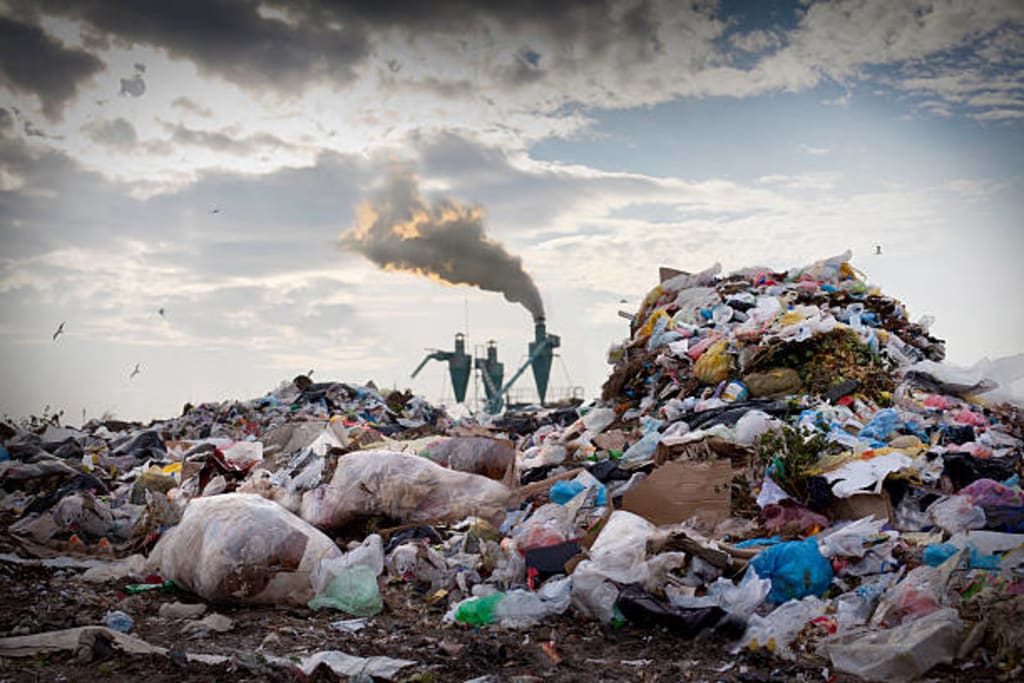
The mounting global waste crisis poses a significant environmental challenge for future generations. While the perfect waste disposal solution remains elusive, current technologies offer effective management options. Among these, responsible solid waste incineration stands out as a practical approach. By converting waste into energy or ash residue under controlled conditions, incineration minimizes landfill use and reduces environmental impact.
Further, it contributes to energy generation through heat recovery and reduces greenhouse gas emissions compared to traditional waste disposal methods. Therefore, embracing such technologies is pivotal in mitigating the ecological footprint of waste accumulation, promoting sustainability, and safeguarding our planet's future. Let's get into further depth about this.
What is Incineration?
Incineration, also known as thermal treatment, is the process of burning organic waste materials at high temperatures to produce ash, flue gas, and heat. This method of waste disposal serves multiple purposes: it reduces the volume of waste, destroys hazardous substances, and generates energy in the form of heat, which can be converted into electricity. Moreover, incinerators equipped with advanced technologies ensure that emissions are minimized. Eventually, making incineration a viable solution for managing waste while also producing renewable energy.
How Incineration Works
Incineration involves several steps:
Waste Collection: Waste is gathered from diverse origins, including households, businesses, industries, and public institutions, for proper management and disposal.
Waste Sorting: Recyclable materials are sorted out from non-recyclable waste to facilitate proper recycling and environmental conservation efforts.
Combustion: Non-recyclable waste undergoes combustion at elevated temperatures within a controlled setting to manage waste and generate energy efficiently.
Energy Recovery: The heat produced from combustion is utilized to generate steam, which in turn powers turbines for electricity generation purposes.
Emission Control: Modern incinerators are outfitted with advanced filters and scrubbers designed to minimize the release of harmful emissions into the environment.
Types of Incinerators
Various kinds of incinerators are made to handle different kinds of waste:
Rotary Kiln Incinerators: Ideal for hazardous and industrial waste due to their high temperature and thorough combustion capabilities.
Fluidized Bed Incinerators: Efficient for municipal waste by utilizing a fluidized bed of sand or similar material for combustion.
Multiple Hearth Incinerators: Used for sewage sludge and similar materials,utilizing multiple hearths to facilitate thorough combustion and residue management.
Liquid Injection Incinerators: Designed for liquid waste disposal by injecting it directly into a high-temperature environment for safe and efficient disposal.
Benefits of Incineration
Incineration offers several benefits:
Volume Reduction: It effectively decreases waste volume, simplifying its management and reducing the environmental footprint associated with waste disposal processes.
Energy Production: The incineration process generates energy that can be harnessed to provide power for residential homes and various industrial applications.
Landfill Reduction: By reducing reliance on landfills, incineration helps conserve precious land resources for more sustainable and environmentally beneficial uses.
Toxic Waste Destruction: Incineration effectively eliminates hazardous and toxic wastes, ensuring their safe disposal and minimizing environmental and health risks.
Disadvantages of Incineration
While incineration offers several benefits, it also comes with notable disadvantages. Here are the key drawbacks of incineration:
1. Air Pollution
Incineration processes release pollutants like dioxins, furans, heavy metals, and particulate matter, which can lead to air quality deterioration and adverse health effects on local populations.
2. Greenhouse Gas Emissions
Burning waste generates significant CO2 emissions, contributing to climate change, and despite modern incinerators' improved efficiency, they still release these gases.
3. High Operating Costs
Incineration facilities are costly to build, operate, and maintain, with advanced emission control systems and safety measures making them less economically viable for some municipalities.
4. Toxic Ash Production
The combustion process produces bottom and fly ash, which can contain toxic substances, necessitating proper disposal and treatment to prevent environmental contamination and health risks.
Technological Advancements in Incineration
Modern incinerators incorporate advanced technologies to mitigate environmental impact:
Emission Control Systems: Technologies like scrubbers and filters reduce pollutants.
Waste-to-Energy (WtE) Technology: Converts waste into energy efficiently.
Automated Sorting Systems: Improve waste sorting and recycling before incineration.
Incineration vs. Other Waste Management Methods
Incineration is just one method of waste management. Here’s how it compares to others:
Landfills: While incineration efficiently reduces waste volume, it can also incur higher costs compared to traditional landfill disposal methods.
Recycling: Recycling is the preferred option for many materials, yet incineration is crucial for managing non-recyclable waste effectively and responsibly.
Composting: Composting is best suited for organic waste, while incineration offers effective management for a wider variety of waste types.
Safety Measures in Incineration
Safety is a crucial aspect of incineration:
Regular Maintenance: Efforts are made to ensure that incinerators operate efficiently and safely, adhering to rigorous standards and regulatory guidelines.
Emission Monitoring: Continuous monitoring of emissions is essential to ensure compliance with stringent environmental regulations and minimize the impact on surrounding areas.
Protective Gear: Workers handling hazardous waste are provided with protective gear to ensure their safety and mitigate potential health risks.
Future of Incineration
The future of incineration appears promising due to ongoing research and development efforts. Innovations, including advanced gasification methods and carbon capture technologies, aim to enhance the efficiency and environmental sustainability of incineration processes. These advancements are pivotal in reducing emissions and maximizing energy recovery from waste, ensuring a more sustainable waste management solution for the future.
Final Thoughts
Incineration is a crucial component of modern waste management, providing a solution to reduce waste volume and generate energy. Despite its environmental challenges, ongoing technological advancements, including those in medical waste treatment in Al Ain, aim to enhance efficiency and mitigate its impact. Looking ahead, incineration is poised to maintain a significant role in sustainable waste management strategies worldwide.
By understanding the intricacies of incineration, we can make informed decisions about waste management and contribute to a cleaner, more sustainable world.
About the Creator
Pumas Are Back in Patagonia and Penguins Are Paying the Price
Subtitle In the windswept coastal plains of Patagonia, Argentina, a dramatic ecological story is unfolding: pumas (Puma concolor) — once driven from the region — have returned to the land and begun preying on Magellanic penguins (Spheniscus magellanicus). This new predator‑prey interaction is providing scientists with a rare glimpse into how the comeback of an apex carnivore can reshape ecosystems in unexpected ways — and what it means for a beloved bird species.
By Sadaqat Ali4 days ago in Earth
Dozens of Flood Warnings Issued in England After Days of Relentless Rain
England is grappling with widespread flooding after several days of continuous heavy rain, prompting the Environment Agency to issue dozens of flood warnings across multiple regions. The intense rainfall has overwhelmed rivers and drainage systems, causing water levels to rise dangerously in both urban and rural areas. Emergency services are on high alert, assisting communities affected by the deluge.
By Ayesha Lashari5 days ago in Earth


Comments
There are no comments for this story
Be the first to respond and start the conversation.