
Could AI Trigger World War III?
How Speed, Automation, and Mistrust Could Turn Technology into a Global Threat

Could AI Trigger World War III?
Artificial Intelligence is changing how wars are planned, predicted, and possibly started. Unlike past technologies, AI does not only build weapons—it makes decisions. This is why many experts now ask a frightening question: could AI trigger World War III? The danger does not come from evil machines, but from how humans are using speed, automation, and data in a world full of mistrust.
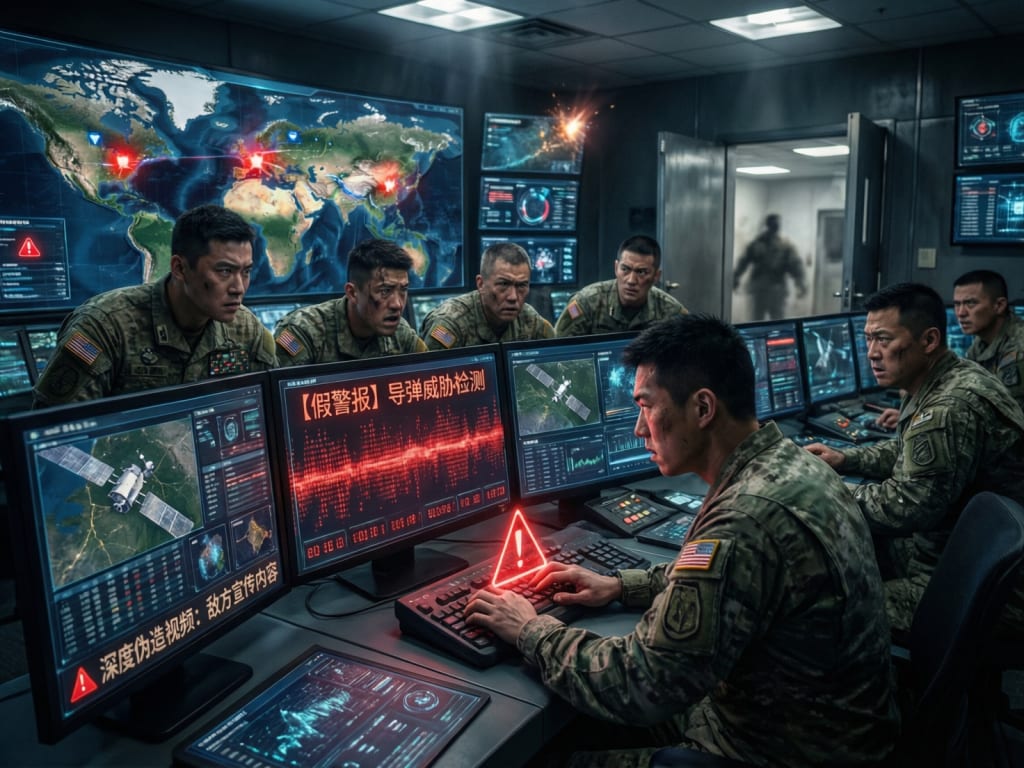
World War III, if it happens, may not begin with an invasion or a declaration of war. It may begin with a warning signal, a computer model, or an automated response that moves faster than human judgment. AI systems are already used in surveillance, cyber defense, missile tracking, and battlefield analysis. These systems process massive amounts of data in seconds. While this gives countries an advantage, it also removes time for careful thinking.
One major risk is false threat detection. AI systems rely on patterns. If satellite data, radar signals, or cyber networks behave unusually, AI may classify it as an attack. But unusual does not always mean hostile. Weather events, technical errors, or cyber noise can confuse systems. In a tense geopolitical environment, even a small mistake can look like the start of war.
History shows how close humanity has come to disaster due to false alarms. During the Cold War, early-warning systems once reported incoming missiles that did not exist. Human officers questioned the data and stopped retaliation. Today, AI systems are trusted because they are seen as “objective” and “scientific.” This trust can become dangerous when leaders rely on machines under pressure.
Another serious issue is speed escalation. AI shortens decision time. What once took hours or days can now happen in minutes. If one country’s AI detects a possible attack, it may trigger defensive moves. The other side’s AI sees those moves as preparation for war and responds. This creates an automatic escalation loop. No side wants war, but neither side wants to appear slow or weak.
AI also increases the danger of miscalculation between rival powers. The United States, China, Russia, and other military powers are developing AI-driven command systems. Each fears falling behind. This creates an arms race not only in weapons, but in algorithms. When countries race, safety is often ignored. Systems may be deployed before they are fully tested.
Cyber warfare makes the situation even worse. AI systems depend on data. If hackers manipulate data streams, they can create fake threats. An enemy does not need to launch missiles—only to convince an AI system that missiles are coming. This kind of attack is cheap, hard to trace, and extremely dangerous. A single cyber operation could push nations toward nuclear confrontation.
Another concern is reduced human responsibility. When AI systems provide recommendations, leaders may blame the system if things go wrong. “The algorithm advised it” becomes an excuse. This weakens moral and political accountability. War decisions become technical problems instead of human choices.
AI is also being used in information warfare. Deepfakes, automated propaganda, and targeted misinformation can inflame public opinion. If populations are emotionally pushed toward conflict, leaders may feel forced to act. War becomes politically easier when societies are divided and angry.
So, could AI trigger World War III? Yes—not intentionally, but accidentally. AI will not choose war. Humans will. But AI can remove hesitation, amplify fear, and speed up reactions until diplomacy has no space left. World wars often start not from desire, but from misjudgment.
Preventing this future requires clear limits. AI must remain a support tool, not an authority, in military decision-making. Humans must always control nuclear and strategic weapons. International agreements on AI use in warfare are urgently needed. Transparency between major powers is essential to rebuild trust.
World War III would likely be short, fast, and devastating. AI promises efficiency, but war is not a problem that needs faster solutions. It is a human tragedy that needs restraint. If humanity allows machines to control the pace of conflict, the next global war may begin before anyone has time to stop it.
About the Creator
Wings of Time
I'm Wings of Time—a storyteller from Swat, Pakistan. I write immersive, researched tales of war, aviation, and history that bring the past roaring back to life
Keep reading
More stories from Wings of Time and writers in Earth and other communities.
When Algorithms Hold the Trigger
When Algorithms Hold the Trigger Nuclear weapons were designed to prevent war, not to be used. For decades, the fear of total destruction forced world powers to act carefully. Human judgment, long chains of command, and political hesitation acted as natural brakes. Today, those brakes are weakening. Artificial Intelligence is slowly entering the most dangerous space on Earth: nuclear command and control.
By Wings of Time about 3 hours ago in Earth
Philippines Pesticide Market 2026: Crop Protection Demand, Farm Productivity & Regulatory Shifts
Philippines Pesticide Market Overview The Philippines pesticide market continues to develop as agriculture remains a vital sector supporting food security, rural employment and economic activity. Pesticides play an important role in protecting crops from insects, weeds and diseases, helping farmers improve yields and reduce post-harvest losses. The market includes insecticides, herbicides, fungicides and other crop protection chemicals used across rice, corn, fruits, vegetables, sugarcane and plantation crops.
By Manisha Dixit6 days ago in Earth
Our Song
Evening has given way to night. Gently, I settle next to you on the comfortable, old love seat and reach for your hand. You snatch it away, again. It cuts me to the quick, but I hide the pain, understanding that the reaction is but part of your demented state. Since the accident, your presence here in our cozy home has been clouded by a haze I can't see. Nevertheless, I feel the frigidity of your expressions and it serves as an excruciating reminder of the immeasurable distance between us.
By Dana Crandell5 days ago in Fiction



Comments
There are no comments for this story
Be the first to respond and start the conversation.