
Southeastern Queensland Storm: Understanding the Sudden Weather Shift
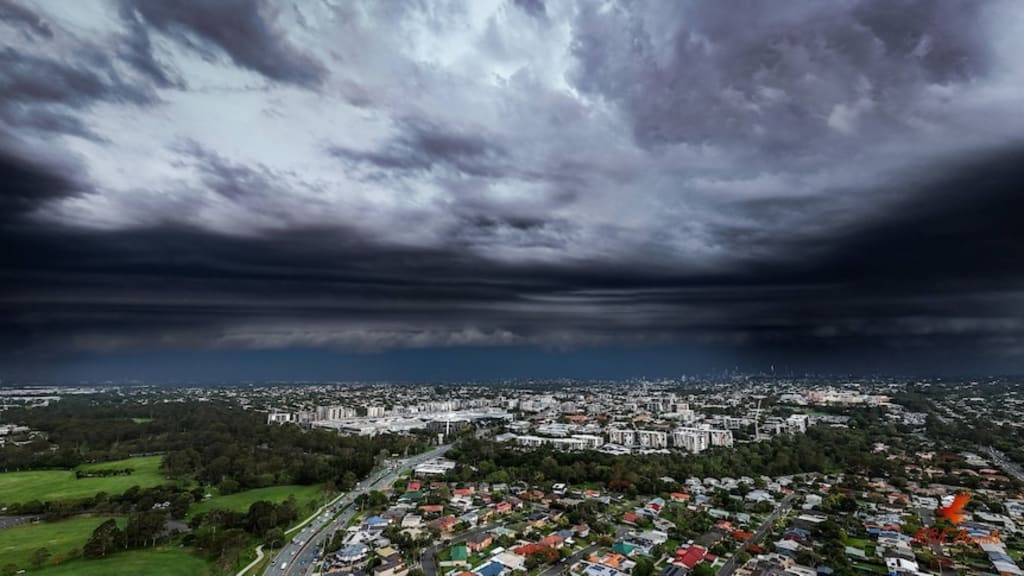
A closer look at the severe storms impacting Queensland’s coastal region

Introduction
Southeastern Queensland is no stranger to fast-changing weather, but recent severe storms have shown just how unpredictable the region can be. From heavy rainfall and flash floods to damaging winds and lightning, Southeastern Queensland storms often form quickly and intensify within minutes. These storms disrupt everyday life, affect transportation, and pose risks to homes and communities across Brisbane, Gold Coast, Sunshine Coast, and surrounding areas.
This article explains what causes Southeastern Queensland storms, why they happen so suddenly, and how residents can prepare for these intense weather events.
What Is a Southeastern Queensland Storm?
A Southeastern Queensland storm refers to the powerful, fast-developing thunderstorms and supercells that regularly hit the greater Brisbane region. These storms typically form during the warmer months due to:
High humidity
Intense heat
Strong updrafts
Moist onshore winds
When these conditions combine, they create the perfect environment for severe thunderstorms capable of producing lightning bursts, large hail, destructive winds, and heavy rainfall.
Why These Storms Are So Intense
Southeastern Queensland lies in a unique weather zone where tropical and subtropical systems meet. This mix creates a storm “hotspot,” where atmospheric energy builds up rapidly.
The most dangerous factors include:
1. Rapid Storm Development
Storms can form in less than one hour, leaving little time for preparation.
2. Large Hailstones
The region is known for hailstones the size of golf balls—or even larger—causing severe property damage.
3. Flash Flooding
Short bursts of intense rainfall quickly flood roads, creeks, and low-lying suburbs.
4. Damaging Winds
Storm cells often produce wind gusts strong enough to uproot trees and damage roofs.
Recent Impacts of Southeastern Queensland Storms
In recent years, Southeastern Queensland storms have caused:
Power outages affecting thousands of homes
Damage to vehicles, roofs, and outdoor structures
Disruptions to public transportation
School and business closures
Downed trees blocking roads
Rapid rises in river and creek levels
These storms have become more frequent and intense due to changing climate patterns.
How Residents Can Stay Safe
When a severe storm warning is issued for Southeastern Queensland, residents should act quickly. Here’s how to stay safe:
● Secure Outdoor Items
Loose objects like outdoor furniture, tools, and trampolines can become airborne hazards during strong winds.
● Avoid Driving Through Floodwater
Even 30 cm of moving water can sweep away a vehicle. It’s safer to stay off the roads.
● Stay Indoors During Lightning Activity
Queensland experiences some of the highest lightning frequencies in the country.
● Prepare an Emergency Kit
Include flashlights, extra batteries, first-aid supplies, water, portable chargers, and essential medications.
● Follow Local Weather Alerts
The Bureau of Meteorology (BOM) provides updated storm warnings, radar information, and safety advice.
Long-Term Preparedness for Queensland Residents
Southeastern Queensland storms are expected to remain unpredictable in the coming years. Homeowners should consider:
Storm-proof roofs and gutter systems
Reliable drainage around properties
Surge protectors for electrical systems
Regular maintenance of trees and branches
Insurance coverage that includes storm and flood damage
Taking these steps can reduce risks and protect your home from sudden weather extremes.
Conclusion
Severe weather events—whether they appear as winter storm warnings in colder regions or fast-moving thunderstorms in Southeastern Queensland—remind us of the growing unpredictability of our environment. These storms are more than short-lived disruptions; they represent powerful natural forces capable of changing daily life within minutes. Understanding the science behind these storms, recognizing the warning signs, and preparing ahead of time can significantly reduce risks for families, travellers, and communities.
In the case of winter storms, preparation involves securing warmth, stocking emergency supplies, and paying close attention to official weather alerts. For Southeastern Queensland residents, the challenge comes from sudden storm development, heavy rainfall, hail, and damaging winds. The key to staying safe lies in awareness—knowing when a storm is forming, how quickly it may intensify, and what actions to take immediately.
As climate patterns shift globally, these types of storms may become more intense and more frequent. That makes it even more important for individuals, households, and local authorities to take weather alerts seriously. Planning ahead, understanding local risks, and staying connected to reliable weather updates can make all the difference. Ultimately, awareness and preparedness are the strongest tools we have to stay protected when nature becomes unpredictable.
About the Creator
Asad Ali
I'm Asad Ali, a passionate blogger with 3 years of experience creating engaging and informative content across various niches. I specialize in crafting SEO-friendly articles that drive traffic and deliver value to readers.
A $170 Million Gemstone Discovery Shocks Myanmar’s Mining World
Myanmar, a country long known for its rich natural resources, has once again captured global attention after the discovery of an extraordinary gemstone estimated to be worth around $170 million. The remarkable find has stunned geologists, gem traders, and mining experts, reaffirming Myanmar’s reputation as one of the world’s most important sources of precious stones.
By Irshad Abbasi 3 days ago in Earth
Silken Chains
Silhouettes of the female form were given flesh and bone. Silken skin glistened under the spotlight. Dry ice rose around our Icons as they danced atop their podiums in the Square. Heralded for their beauty, their movements were slight, powerful, and sensual.
By Paul Stewart7 days ago in Fiction


Comments
There are no comments for this story
Be the first to respond and start the conversation.