
Winter Storm Warning: What It Means and How to Stay Safe This Winter
A clear guide to understanding winter alerts and preparing for severe cold weather.

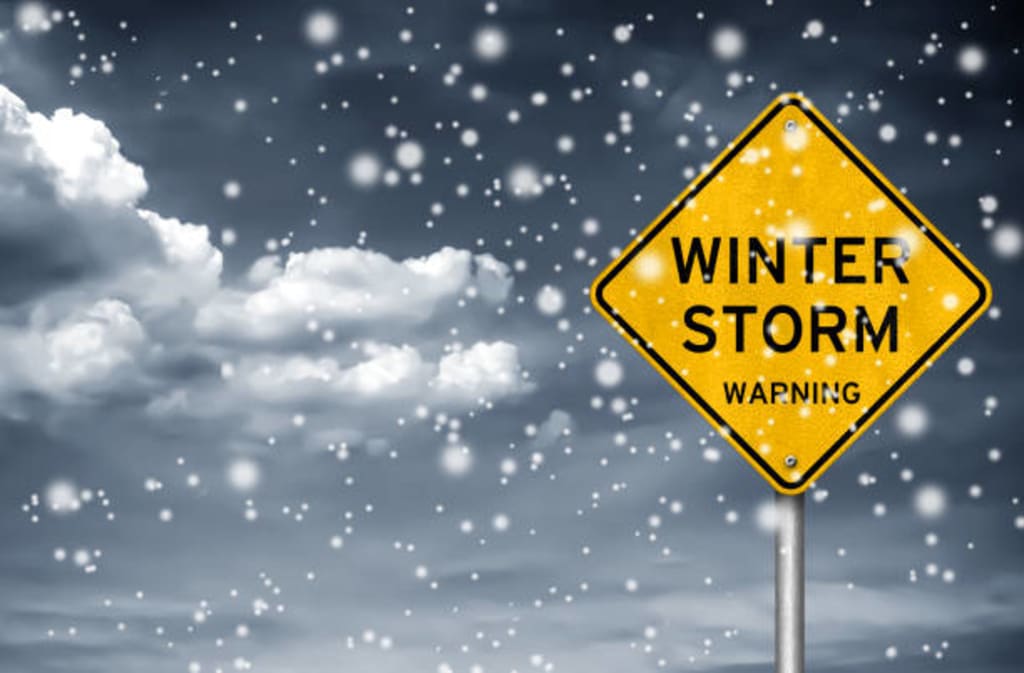
Introduction
When temperatures drop and snow clouds gather, one alert becomes extremely important for millions of people: the Winter Storm Warning. Every year, severe winter storms disrupt travel, damage property, and put lives at risk. Yet, many people don’t fully understand what the warning means—or how to prepare for it.
This article explores the meaning of a winter storm warning, how it differs from other alerts, the dangers associated with winter storms, and essential safety tips to protect yourself and your family.
What Is a Winter Storm Warning?
A Winter Storm Warning is issued by weather agencies when significant, life-threatening winter weather is expected within the next 24 hours. This includes heavy snowfall, freezing rain, sleet, ice accumulation, or strong winds that make outdoor conditions dangerous.
In simpler terms, it means:
A severe winter storm will happen—take action now.
This warning is more serious than a watch or advisory because the threat is confirmed based on radar data, forecasts, and atmospheric conditions.
Winter Storm Warning vs. Winter Storm Watch vs. Advisory
Understanding the difference can help you respond correctly:
1. Winter Storm Watch
Issued when severe weather is possible in the next 48 hours.
Uncertain but worth monitoring.
2. Winter Weather Advisory
Issued for less severe winter conditions that still create inconvenience and travel difficulty.
3. Winter Storm Warning
The highest alert level.
Hazardous winter weather is expected and may cause dangerous or even life-threatening conditions.
What Conditions Trigger a Winter Storm Warning?
Weather agencies issue this warning when one or more of the following conditions are forecast:
Heavy Snowfall: Usually 6 inches (15 cm) or more within 12 hours.
Freezing Rain/Ice: Accumulation of 0.25 inches (0.6 cm) or more.
Sleet Storms: Intense sleet that reduces visibility and makes roads extremely slippery.
Blizzard Conditions: Strong winds combined with snow causing whiteout visibility.
Rapid Temperature Drop: Leading to flash freeze conditions.
These conditions can paralyze transportation, cause power outages, and increase risks of accidents and hypothermia.
Why Winter Storm Warnings Are Important
A winter storm warning allows communities to prepare before severe weather strikes. Early preparation can:
Prevent accidents and injuries
Reduce travel dangers
Protect pipes, homes, and livestock
Ensure access to food, heating, and medical supplies
Help authorities coordinate snow removal and emergency responses
Ignoring the warning can leave people stranded without power, heat, or safe shelter.
Common Risks During a Winter Storm
Winter storms are more dangerous than many people realize. Some major risks include:
● Power Outages
Ice buildup can cause trees and power lines to fall, leaving homes without electricity for hours or days.
● Hazardous Travel
Snow-covered roads reduce traction. Black ice is invisible and causes many accidents during winter storms.
● Frostbite and Hypothermia
Extremely cold temperatures can harm exposed skin within minutes.
● Structural Damage
Heavy snow accumulation can damage roofs, cars, and outdoor structures.
● Communication Disruptions
Downed wires or network failures can interrupt phone and internet connectivity.
How to Prepare When a Winter Storm Warning Is Issued
Preparation is key when a storm is confirmed. Here’s what to do:
1. Stock Essential Supplies
Water and non-perishable food
Flashlights and extra batteries
Blankets, warm clothing, hand warmers
First-aid kit
Power bank for phones
2. Prepare Your Home
Insulate pipes to prevent freezing
Check heating systems and fuel levels
Close crawl spaces and seal cold air leaks
Keep emergency candles or battery heaters (use safely)
3. Avoid Unnecessary Travel
Roads become extremely dangerous. Only travel if absolutely necessary, and keep:
Snow chains or winter tires
Ice scraper and snow shovel
Emergency car kit
4. Stay Updated
Follow weather updates through:
Local news
Weather apps
Emergency alerts
Radio broadcasts
5. Protect Pets and Livestock
Bring pets indoors and ensure livestock has shelter, food, and access to unfrozen water.
What To Do During a Winter Storm
Once the storm begins:
Stay indoors as much as possible
Keep mobile devices fully charged
Dress in layers if heating fails
Avoid carbon monoxide risks—don’t use gas stoves for heating
Check on elderly neighbors
Only clear snow when safe to avoid overexertion
Conclusion
A Winter Storm Warning is more than a weather alert—it’s a vital call to action. Understanding what the warning means and preparing ahead of time can save lives, prevent property damage, and keep you safe throughout the winter season.
As storms become more frequent and unpredictable due to climate patterns, staying informed and ready is the best way to protect yourself and your loved ones.
If you plan to publish this on Vocal Media, it's already optimized in blog format, informative, and unique with proper headings and structure.
About the Creator
Asad Ali
I'm Asad Ali, a passionate blogger with 3 years of experience creating engaging and informative content across various niches. I specialize in crafting SEO-friendly articles that drive traffic and deliver value to readers.
Nuclear Transmutation: The Accidental Dream of Making Gold
Picture a laboratory humming with quiet intensity, banks of instruments blinking in the low light, and somewhere inside a shielded reactor chamber, something almost magical is happening. An element is changing. One thing is becoming another. What was mercury is now, atom by atom, becoming gold.
By CurlsAndCommas6 days ago in Earth


Comments
There are no comments for this story
Be the first to respond and start the conversation.