
Sky Guardians: Why White-Backed Vultures Matter More Than You Think
More than just scavengers—these misunderstood birds play a crucial role in keeping nature clean and healthy.


Meet the White-Backed Vulture
Often overlooked or unfairly feared, the White-backed Vulture (Gyps africanus) is one of Africa's most important scavengers. With its white patch of feathers along the lower back and broad, dark wings, this bird is a common sight across savannas and woodlands in Sub-Saharan Africa—soaring gracefully high above in search of food.
Despite their eerie appearance and association with death, these birds are far from villains of the skies. In fact, they are ecological heroes with a job no one else wants.
Nature’s Cleanup Crew
White-backed vultures specialize in cleaning up carcasses. With their strong, hooked beaks, they tear through tough hides and consume meat that most other animals avoid. This is crucial, because dead animals can become breeding grounds for bacteria and disease.
By removing carcasses quickly, vultures prevent the spread of deadly pathogens like anthrax, rabies, and botulism—making them unsung protectors of public health.
Team Players with a Hierarchy
These vultures don’t always dine alone. In fact, carcasses often attract a variety of scavenger species—hyenas, jackals, marabou storks, and other vultures.
White-backed vultures tend to arrive quickly at a site and dominate in numbers, but they still follow a hierarchy. Larger species like the Lappet-faced Vulture often eat first, using their powerful beaks to break open thick hides. Once the “heavy-duty” work is done, White-backed vultures move in and strip the bones clean.
Built for the Job
Their bald heads and long necks aren’t just a fashion statement—they serve a purpose. These adaptations help them stay clean when reaching deep inside carcasses.
They also have highly acidic stomachs, capable of digesting rotting meat and neutralizing dangerous bacteria. This unique digestive system is what allows them to eat food that would kill most animals—and still walk away unscathed.
They Soar With Precision
Thanks to their broad wingspan, which can reach over 2.2 meters, White-backed vultures are expert gliders. They ride thermals—rising columns of warm air—to fly for hours with minimal effort.
Their sharp eyesight allows them to spot carcasses from kilometers away, even while circling high above the ground. Once one vulture descends, others soon follow, forming a spiral of descending birds—an unmistakable signal that a meal is near.
Breeding in the Canopy
White-backed vultures usually nest in tall trees. They build large stick nests and often return to the same nest year after year. A typical pair raises one chick per breeding season, and both parents take part in incubation and feeding.
However, the chick takes many months to fledge, and high chick mortality is common—especially in areas with food scarcity or human disturbance.
Unusual Intelligence
Vultures may not be flashy like parrots or clever like crows, but their problem-solving skills are underrated. They can learn from one another and recognize human patterns—such as associating vehicles with roadkill.
Some even follow herds, understanding that where there’s movement, there might soon be a meal. This level of ecological awareness shows just how tuned-in these birds are to their environment.
Ecosystem Collapse Without Them
In areas where vultures have disappeared, the consequences are serious. The absence of vultures often leads to an increase in feral dogs and rats, which are less efficient at carcass disposal and more likely to spread diseases to humans.
This ripple effect shows how even one missing piece in nature’s puzzle can trigger widespread imbalance.
Final Thought
White-backed vultures are not grim symbols of death—they are guardians of life. By silently performing one of nature’s dirtiest jobs, they help maintain the delicate balance between health and decay, survival and collapse.
Next time you see a vulture soaring overhead, remember: it’s not just circling—it’s protecting.
Saving them isn’t just about preserving a species; it’s about keeping ecosystems alive. In a world that often turns away from what it doesn’t understand, maybe it’s time we looked up—and appreciated the wings that keep nature clean.
About the Creator
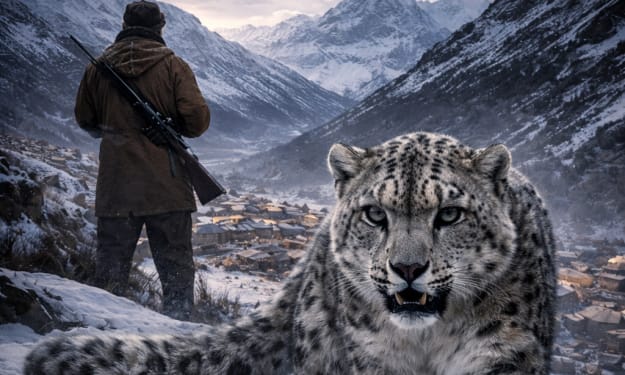
Human Revenge: A Hidden Cause Behind the Decline of Snow Leopards
High in the rugged mountains of Central and South Asia lives one of the world’s most mysterious and beautiful big cats—the snow leopard. Known for its thick grey-white fur, long tail, and incredible ability to blend into rocky landscapes, this elusive predator has fascinated scientists and wildlife lovers for decades. Yet despite its beauty and ecological importance, the snow leopard faces a growing threat: human revenge.
By Irshad Abbasi 4 days ago in Earth



Comments
There are no comments for this story
Be the first to respond and start the conversation.