
The Popcorn-Scented Tree Dweller You’ve Never Heard Of
Meet the binturong, a mysterious animal that smells like movie snacks, sleeps in trees, and might just steal your heart.

Meet the Binturong—The Forest's Sweet-Smelling Mystery
In the dense rainforests of Southeast Asia, there lives a creature that few people have heard of, let alone seen. It moves like a cat, smells like popcorn, and looks like a bear—but it’s none of these. Say hello to the binturong, a peculiar and enchanting mammal whose oddities make it a true jungle gem.
Let’s explore what makes the binturong (scientifically known as Arctictis binturong) such a fascinating, underappreciated wonder of the wild.
A Smell You’ll Never Forget—Like Buttered Popcorn 🍿
If you ever walk through a Southeast Asian jungle and suddenly smell buttery popcorn, don’t go looking for a movie theater. You’ve probably walked through binturong territory. These animals produce a scent from their glands that smells strikingly like freshly popped corn. It’s believed this unique aroma helps them mark territory and communicate with others.
The scent isn't just quirky—it’s one of the most recognizable and puzzling traits of this species.
Not a Cat, Not a Bear—But Something in Between 🐾
Despite its nickname "bearcat," the binturong is neither a bear nor a cat. It belongs to the viverrid family, which also includes civets and genets. With a long, stocky body, bushy tail, and thick fur, its appearance confuses many who see it for the first time.
Its waddling gait and shaggy coat might remind you of a small bear, while its face has cat-like features—but biologically, it’s in a category all its own.
Master of the Trees with a Prehensile Tail
One of the most fascinating features of the binturong is its prehensile tail—a rare trait among carnivorous mammals. This tail acts like a fifth limb, allowing it to grip branches tightly as it navigates the forest canopy. Young binturongs are especially reliant on their tails to stabilize themselves when learning to climb.
This powerful tail can support the animal’s entire body weight, giving it agility and safety as it explores high above the ground.
Nocturnal and Solitary—They Prefer the Quiet
Binturongs are mostly nocturnal, which means they’re most active during the night. During the day, they tend to rest in tree hollows or branches. They’re solitary by nature and don’t often interact with others unless it’s mating season or a mother raising her young.
This secretive lifestyle makes them hard to spot in the wild, which only adds to their mystery.
Omnivores with a Sweet Tooth
Don’t let their carnivorous classification fool you—binturongs are omnivores. While they can eat small animals like birds and rodents, they have a particular fondness for fruits, especially figs and bananas. Their role in dispersing seeds through their droppings helps maintain the forest ecosystem.
In fact, they play a vital ecological role in keeping the forest healthy and diverse.
Gentle and Slow—Not What You’d Expect
Despite their somewhat intimidating appearance, binturongs are gentle creatures. They move slowly, almost lazily, and rarely show aggression. When threatened, they may emit a low growl or hiss, but they typically try to avoid conflict altogether.
This calm demeanor makes them a favorite among wildlife enthusiasts and rescue centers.
Final Thought: A Creature That Deserves the Spotlight
The binturong isn’t just another wild animal—it’s a unique symbol of biodiversity, blending traits from multiple species into one extraordinary being. With its popcorn scent, tree-climbing superpower, and gentle soul, the binturong deserves a spot on the world’s list of most fascinating forest dwellers.
As rainforests grow quieter and wildlife grows scarcer, let us not forget about the ones hidden in the treetops—like the binturong—who carry the soul of the jungle with every slow, careful step they take.
So the next time you catch the scent of popcorn in the air and there’s no cinema in sight… maybe, just maybe, a binturong is watching you from above.
About the Creator
The Problem with Invasive Plants: Identification and Responsible Removal
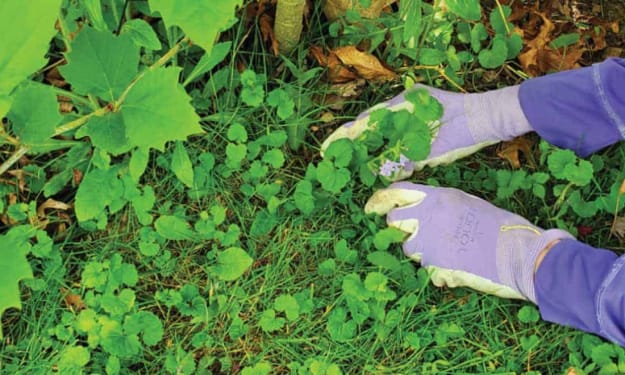
This scenario plays out in gardens across the continent. Many invasive plants started as intentional garden introductions, valued for their beauty, vigor, and ease of growth. Those same qualities—rapid spread, adaptability, and resilience—make them ecological threats when they escape cultivation.
By Emma Wallace4 days ago in Earth



Comments
There are no comments for this story
Be the first to respond and start the conversation.