
San Francisco’s Largest Mall Unexpectedly Closes Ahead of Schedule
How the closure of Westfield San Francisco Centre marks a turning point for retail and the city’s economic landscape.


In a surprising turn of events, Westfield San Francisco Centre, one of the city’s most iconic shopping destinations, has closed its doors ahead of schedule. The closure, which took place months earlier than expected, has sent shockwaves through the local retail scene and left many wondering about the future of brick-and-mortar shopping in San Francisco. As retail patterns continue to evolve in the face of digital transformation and shifting consumer habits, this unexpected shutdown signals more than just the end of a mall—it marks a significant shift in how people shop, how cities are structured, and how businesses are adapting to new consumer demands.
A Brief History of Westfield San Francisco Centre
Located in the heart of downtown San Francisco, Westfield San Francisco Centre has long been a staple of the city’s shopping landscape. Opened in 1988, the mall initially stood as a luxurious shopping haven, housing some of the most sought-after brands and offering a wide range of retail, dining, and entertainment options. Over the years, the mall became synonymous with high-end shopping and a premier destination for both locals and tourists.
In recent years, however, retail centers like Westfield have struggled to maintain their former levels of business. The mall, though still popular, faced competition from online shopping platforms, shifts in consumer preferences, and the rise of alternative shopping experiences, such as pop-up shops and local boutiques. Despite various revitalization efforts, including restaurant additions and event spaces, the mall could not avoid the broader trends of declining foot traffic and rising vacancies in many major malls across the country.
The Unexpected Early Closure
The announcement of the early closure of Westfield San Francisco Centre caught many off guard, including employees, business owners, and shoppers. Originally slated to shut down by the end of 2023 for a renovation or reimagining of the space, the mall's closure was moved up to the summer of 2023, leaving many wondering what led to the shift.
While the exact reasons for the accelerated timeline remain somewhat unclear, several factors appear to have influenced this decision. Among the most prominent are:
Declining Foot Traffic and Sales: Like many retail locations across the United States, Westfield San Francisco Centre has struggled with declining foot traffic in recent years. Shoppers are increasingly opting for the convenience and often lower prices offered by online stores, leaving physical retail spaces with less foot traffic and fewer sales. The mall’s challenges were further exacerbated by the COVID-19 pandemic, which led to extended closures and a significant change in consumer behavior.
Safety and Security Concerns: In recent months, the downtown San Francisco area has faced increasing concerns about safety and crime. Reports of theft, vandalism, and disturbances in and around the mall led some customers to feel uneasy about visiting. Several businesses within the mall also expressed frustration with security issues, which may have contributed to the decision to close earlier than anticipated.
Shifting Consumer Preferences: The rapid rise of e-commerce platforms like Amazon, Instacart, and other delivery services has fundamentally changed how people shop. Consumers today have become accustomed to the convenience of online shopping, where they can compare prices, read reviews, and receive their purchases at their doorstep, all without leaving their homes. As more shoppers shifted to online platforms during and after the pandemic, physical malls like Westfield struggled to maintain relevance.
Lease and Ownership Issues: The mall is owned by Unibail-Rodamco-Westfield, a major global mall operator. Amid the changing retail landscape, companies like Westfield have reevaluated their properties’ potential for continued success. Some industry experts suggest that the decision to close early may have been influenced by lease renegotiations or an effort to avoid further losses. Furthermore, the mall’s need for substantial renovations may have made the early closure a strategic move to regroup and reevaluate its future.
The Economic Impact on San Francisco
The closure of one of San Francisco’s largest malls is more than just an inconvenience for shoppers—it carries significant economic consequences for the city’s retail landscape and broader economy. The loss of Westfield San Francisco Centre affects several key sectors:
Retail Jobs: The mall employed hundreds of people, from retail staff to security personnel, food court workers, and management. With the closure, these jobs will be lost, adding to the ongoing challenge of unemployment in the city, which has been impacted by the pandemic and shifting labor dynamics. Many workers will need to find employment elsewhere, which could be difficult given the current state of the job market.
Business Owners: A number of small business owners and independent retailers operated within the mall. Some of these businesses relied heavily on foot traffic from the shopping center, making the sudden closure a major blow to their revenue streams. For these entrepreneurs, the decision to close ahead of schedule likely meant scrambling to find new locations or adjusting business strategies to account for lost customers.
Tourism: Westfield San Francisco Centre was also a popular stop for tourists visiting the city, contributing to the city’s broader tourism economy. Its proximity to the Union Square shopping district made it a natural destination for both domestic and international visitors. With the mall’s closure, the city risks losing some of its tourist appeal, especially for shoppers who considered it a key destination during their visits.
Local Economy: In addition to the loss of jobs and business, the closure also affects surrounding businesses in the Union Square area, including restaurants, hotels, and public transportation services. These businesses rely on the flow of shoppers and tourists to sustain their operations, and the closure of the mall may create a ripple effect, leading to even further economic challenges for the region.
What’s Next for Westfield San Francisco Centre?
As of now, the future of Westfield San Francisco Centre remains uncertain. The property’s owners have hinted that the space will be reimagined and renovated, but the details of those plans have yet to be fully disclosed.
Some industry experts predict that the mall could eventually be converted into a mixed-use development, combining retail with residential spaces, office areas, or entertainment options. This shift towards mixed-use developments is becoming increasingly common in cities across the United States, as mall operators look to repurpose vacant retail spaces into more versatile properties that meet the needs of today’s consumers.
Additionally, with the rise of online shopping, there may be a move toward integrating digital experiences into the physical space, creating an environment where both online and offline shopping coexist. Concepts like buy online, pick up in store (BOPIS) and interactive digital experiences could play a significant role in the mall’s future.
Conclusion
The early closure of Westfield San Francisco Centre is a wake-up call for the retail industry, underscoring the challenges faced by traditional shopping malls in today’s digital age. As the city of San Francisco grapples with the economic implications of this sudden shutdown, the broader retail industry will continue to adapt to evolving consumer habits, the rise of e-commerce, and the growing demand for unique, immersive shopping experiences. The future of retail in San Francisco, and elsewhere, may be far from certain, but it is clear that change is inevitable, and innovation will be key to survival.
About the Creator
Muhammad Hassan
Muhammad Hassan | Content writer with 2 years of experience crafting engaging articles on world news, current affairs, and trending topics. I simplify complex stories to keep readers informed and connected.
Keep reading
More stories from Muhammad Hassan and writers in Earth and other communities.
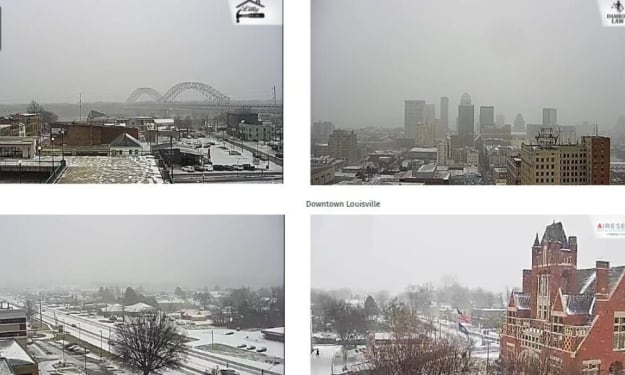
Live Weather Cameras: Real-Time Insights into Louisville’s Weather Conditions
In today’s fast-paced world, where weather conditions can shift in the blink of an eye, staying updated in real-time has become more crucial than ever. Thanks to modern advancements in technology, we now have the opportunity to monitor weather in a way that was once unimaginable. Enter live weather cameras — a cutting-edge tool that allows people to access real-time visual feeds of weather conditions. In cities like Louisville, Kentucky, live weather cameras have become an essential resource for both residents and travelers, providing a window into the rapidly changing atmosphere of the region. From heavy rainstorms to snowstorms or even clear skies, these cameras provide an immediate look at how the weather is unfolding at any given moment.
By Muhammad Hassan2 months ago in Earth
Exploring the Amazing World Beneath the Waves
Beneath the surface of the world’s oceans lies a vast and mysterious universe that few humans have truly experienced. Often described as Earth’s “final frontier,” the underwater world is filled with stunning landscapes, colorful creatures, and ecosystems that are both fragile and vital to life on our planet. From shallow coral reefs to the dark depths of the ocean floor, this hidden realm continues to amaze scientists, explorers, and nature lovers alike.
By Irshad Abbasi 3 days ago in Earth



Comments
There are no comments for this story
Be the first to respond and start the conversation.