
Rwanda’s Journey of Restoration: Healing Land, Healing Lives
Restoring ecosystems while rebuilding lives across Rwanda’s hills and valleys

By Marc Reflects, September 2025
I often pause to look at Rwanda’s rolling hills, and I am struck by how the land tells its own story. Once stripped bare by deforestation, over-farming, and survival pressures, these hills now bear signs of healing. And yet, this healing has not been simple; it has required courage, sacrifice, and sometimes painful trade-offs. Our journey of restoration is not just about saving trees or wetlands only but it is about reshaping lives, livelihoods, and futures.
From Degradation to Renewal
Not long ago, Rwanda was counted among the most deforested countries in Africa. Population pressure after the 1994 Genocide Against the Tutsi pushed many families into fragile ecosystems. For instances, Gishwati, Mukura forests, wetlands in Kigali, steep hillsides were prone to erosion. Forest cover dwindled and rivers choked with silt. Food security was at risk, and disasters such as floods and landslides claimed lives.
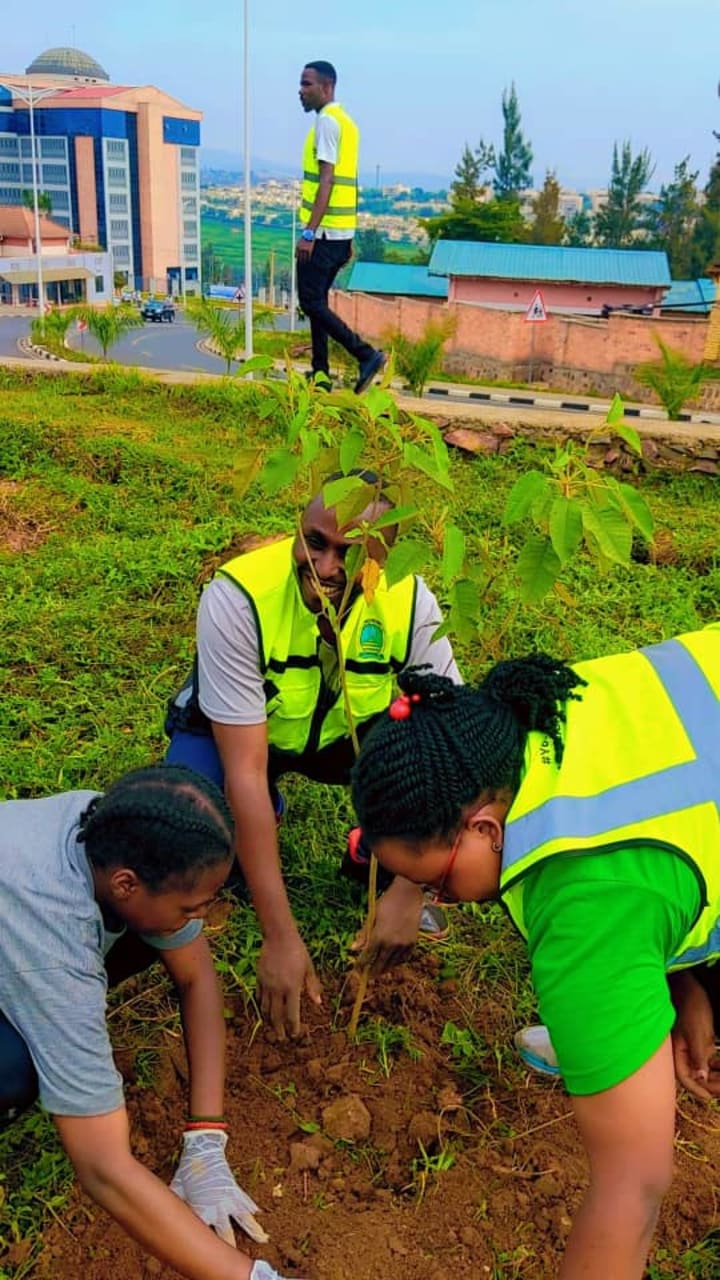
However, today, Rwanda has reversed this decline. Forests now cover about 30.4% of our land, 724,695 hectares. Of this, around 18% is natural mountain rainforest, while the rest includes plantation forests, wooded savanna, and shrubs. Behind this statistic are countless acts of collective determination: terracing hillsides, planting trees, rehabilitating wetlands, and creating green parks where once only degradation reigned.
Gishwati and Mukura: Healing Forests, Healing Families
The case of Gishwati and Mukura forests is one of Rwanda’s most telling restoration stories. In the late 1990s, Gishwati was on the brink of collapse, reduced to a quarter of its original size. Families, displaced by war and poverty, had settled inside the forest. But conservation demanded hard choices.
Over 8,350 families were relocated from Gishwati in the early 2000s, a decision both celebrated and contested. Later, when Gishwati-Mukura was gazetted as Rwanda’s newest national park, more households were asked to move to create buffer zones. Some communities gained improved housing, schools, and health centers.
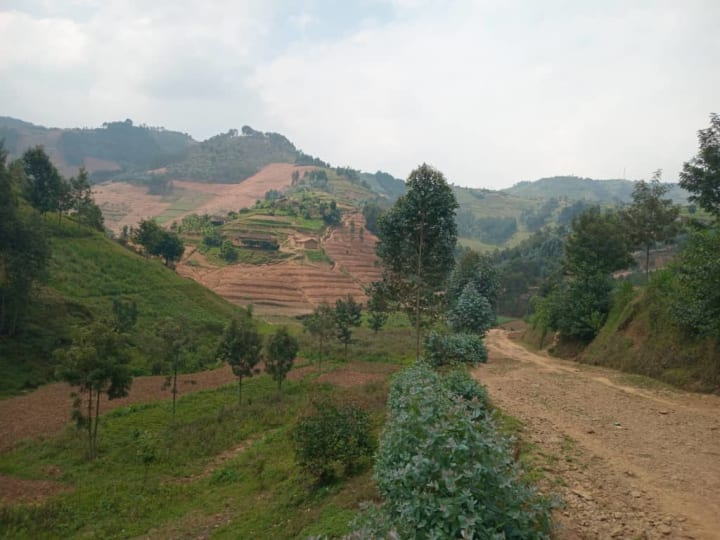
I cannot help but reflect: healing the land often asks us to reimagine what “healing lives” means. For some, it meant safer homes and services; for others, it meant the pain of uprooting. Restoration, then, is never purely ecological, it is deeply human.
Wetlands Reborn
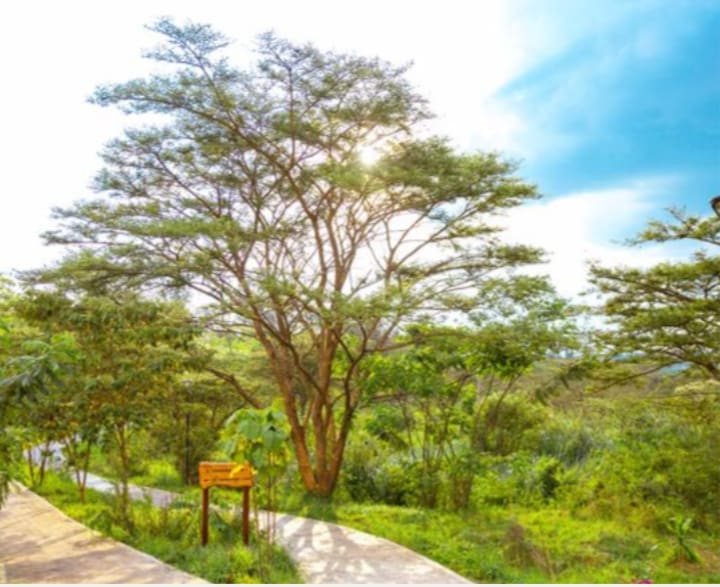
The transformation of Nyandungu Wetland into a thriving eco-park is another story of redemption. Once degraded by human activity, it was restored into 121.7 hectares of green space, including 70 hectares of wetland and 50 hectares of forest. More than 17,000 indigenous trees from 55 species were planted, reviving biodiversity and water regulation.
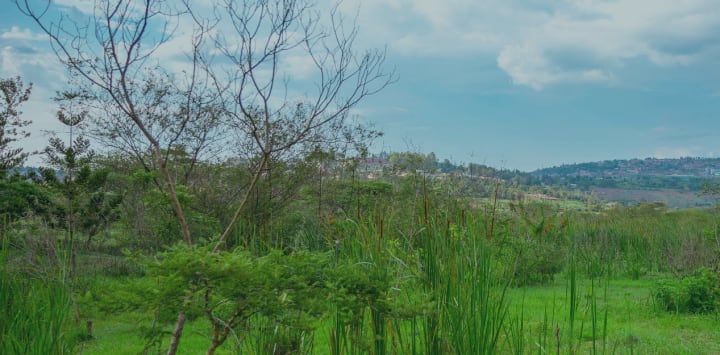
Nyandungu is now a sanctuary for both nature and people. In 2024 alone, it welcomed 76,754 visitors, becoming a space where Kigali’s residents walk, breathe, and reconnect with nature. Beyond leisure, it has created about 4,000 green jobs, offering proof that restoration can fuel livelihoods. When I walk its paths, I see families picnicking, students studying under shade trees, and I think: here, land and lives are healing together.
Similarly, Kigali is a city built among wetlands—37 in total, covering 9,160 hectares, about 12.5% of its land area. For decades, they were drained and built over, worsening floods and water pollution. But Rwanda’s urban vision is now reversing this damage.
Five major wetlands such as Kibumba (68 ha), Nyabugogo (131 ha), Rugenge-Rwintare (65 ha), Gikondo (162 ha), and Rwampara (65 ha) are undergoing rehabilitation. This project alone is expected to benefit 220,500 residents vulnerable to floods and generate over 100,000 green jobs. Economists estimate that Kigali’s wetlands provide ecosystem services worth $74.2 million today, and that without protection, future losses could exceed $1.8 billion by 2050.
When I see bulldozers clearing illegal structures in these wetlands, I feel both relief and unease. Relief because it signals a new discipline of environmental responsibility. Unease because it often means families and businesses would move again. Restoration always asks: who sacrifices, and who benefits?
Agroforestry: Where Farms and Forests Meet
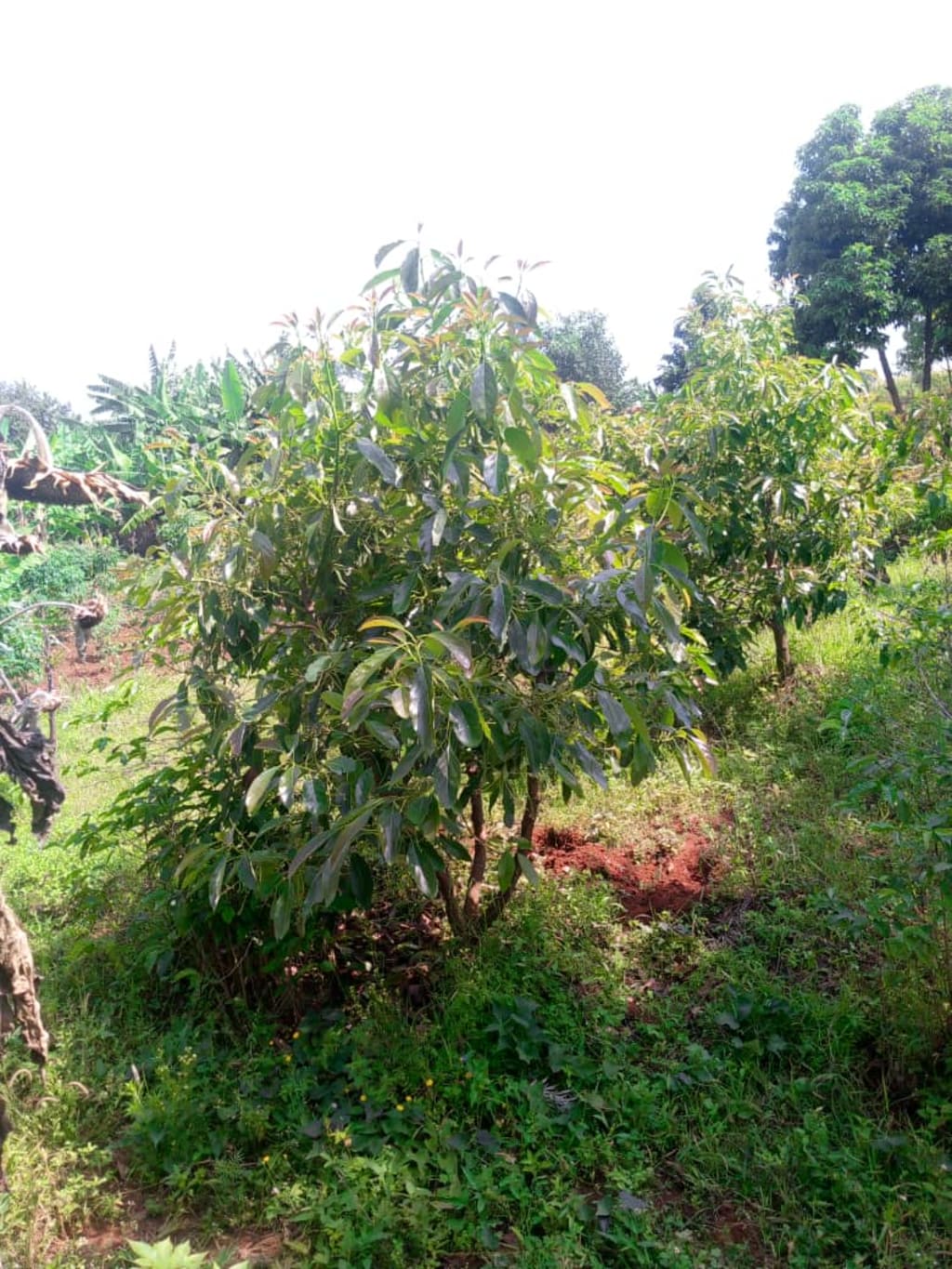
For many Rwandans, restoration is most tangible not in parks or policies, but in their own fields. Agroforestry, the integration of trees with crops has become a lifeline. On the hillsides, you can see grevillea and calliandra planted among maize, beans, and bananas. These trees fix nitrogen, prevent erosion, and provide fodder, firewood, and timber.
This quiet transformation allows farmers to grow food and restore ecosystems simultaneously. It is restoration you can eat, sell, and pass on to children. For investors, agroforestry is proof that environmental health and household wealth need not be enemies.
Healing Lives Through Relocation
Beyond forests and wetlands, restoration also means moving people from danger. In May 2023 alone, 5,812 households were identified for relocation from high-risk zones in Kigali, where floods and landslides threatened lives. As of early 2025, 4,309 households have been resettled, with projects like the Mpazi Rehousing Project providing safe new homes for 172 families in Nyarugenge District.
Such moves are not easy. They disrupt lives and test resilience. But they also reduce disaster risks, protect ecosystems, and give families a safer foundation for the future. Healing lives, in this sense, means protecting them from preventable tragedy.
A Personal Reflection
When I reflect on Rwanda’s restoration journey, I am filled with pride, but also with humility. We have set global precedents—committing to restore 2 million hectares under the Bonn Challenge, turning degraded wetlands into eco-tourism parks, and expanding forest cover. We are living proof that even a small, densely populated country can choose regeneration over exploitation.
And yet, healing land is only half the story. Healing lives requires constant attention to justice, inclusion, and dignity. Every tree planted, every wetland restored, every family relocated raises human questions: Do the people feel empowered? Do they find new opportunities? Do they feel the healing too?
Rwanda’s journey of restoration is far from over. But as I walk through Nyandungu, or drive past the newly terraced hills of Gishwati, I see a story unfolding: a story where scarred land is recovering, and where lives, despite hardship, are finding renewal.
This is our quiet victory healing land, healing lives.
About the Creator
Marc Reflects
"Writer of African reflections, practical life lessons and lived experiences. I explore personal growth, resilience, and entrepreneurship through stories that uplift, challenge, and connect people at the heart level. Let’s grow together.”
Keep reading
More stories from Marc Reflects and writers in Earth and other communities.
The Mr. Challenger Challenged
BY Marc Reflects | August 2025 I have often thought of climate change as something distant, something that scientists debated in conferences or politicians argued about in parliaments. But then I met him—Mr. Challenger. His name itself sounded defiant, like someone destined to fight the odds. Yet his story revealed the opposite: the world, shaped by climate extremes, was now challenging him.
By Marc Reflects 5 months ago in Earth
The New Gold Rush is Happening at Wastewater Treatment Plants
I never thought much about where wastewater goes after it leaves my house until I read a study from Arizona State University. Researchers tested sewage sludge from cities across America and found something remarkable.
By Marcus Briggsabout 3 hours ago in Earth
Inflation Remained at 2.7% in December: High Prices Continue to Weigh on Many Americans
As Americans rang in the new year, many were relieved to see that inflation in December held steady at 2.7%, according to the latest reports. On the surface, this might seem like good news — a signal that runaway price growth is slowing. But for countless households across the country, the reality is more complicated: high prices continue to strain budgets, affecting everything from groceries to gas, rent, and beyond. The Numbers Behind the Headlines December’s 2.7% inflation rate, measured year-over-year, shows no significant change from November. This is a continuation of the trend economists have watched closely throughout 2025: after a period of intense price spikes, inflation appears to be moderating but remaining stubbornly above pre-pandemic norms. Key areas contributing to this steady inflation include: Food prices, particularly meat, dairy, and fresh produce, which have remained elevated due to supply chain challenges and global agricultural pressures. Housing costs, including rents and home prices, which continue to rise in many urban and suburban markets. Energy prices, especially gasoline and home heating, which fluctuate seasonally but have not dropped enough to ease household pressure. While 2.7% may seem manageable compared to the double-digit spikes of 2021–2022, it still outpaces wage growth for millions of Americans, meaning that in real terms, many are experiencing reduced purchasing power. How Inflation Affects Everyday Americans For many families, the impact of steady inflation is tangible. Consider this: a household spending $500 a month on groceries in 2025 might now be paying over $535 for the same items. Gasoline, which has seen seasonal swings, can quickly add dozens of dollars to monthly commuting costs. Rent, historically the largest expense for most households, has grown faster than wages in many cities. A steady 2.7% inflation rate means renters face incremental increases in living costs every month, often outpacing salary adjustments. Even seemingly small price increases ripple across budgets. Families may delay purchases, cut discretionary spending, or tap savings, which in turn affects broader consumer demand — a key driver of economic growth. The Role of the Federal Reserve and Economic Policy Inflation is not just about prices at the grocery store — it’s also shaped by monetary policy, interest rates, and government action. Throughout 2025, the Federal Reserve maintained a cautious approach, keeping interest rates relatively high to control inflation without triggering a recession. The Fed’s actions aim to balance: Slowing price growth to protect consumers’ purchasing power Avoiding a sharp economic downturn that could result from overly aggressive rate hikes Despite these efforts, economists warn that inflation’s persistence at 2.7% suggests structural pressures in the economy. Global supply chain disruptions, rising energy costs, and ongoing demand for goods and services continue to exert upward pressure on prices, making it harder for policy alone to bring relief. Inflation and Wage Growth: A Delicate Balance One of the most concerning aspects of steady inflation is its relationship with wages. For workers whose salaries haven’t kept pace with rising costs, inflation effectively reduces real income. Some sectors, like technology and healthcare, have seen modest wage gains, but many service industries — retail, hospitality, and small businesses — continue to struggle. Employees in these fields often find that even small price increases can significantly affect their quality of life, from grocery shopping to transportation and childcare expenses. What This Means for the Economy Steady inflation at 2.7% has several implications for the broader economy: Consumer Spending: When households feel the pinch, discretionary spending declines, which can slow economic growth. Investment Decisions: Businesses facing higher input costs may delay expansion or hiring, affecting job markets. Housing Market Dynamics: Rising rent and home prices continue to challenge affordability, influencing both buyers and renters. Financial Planning: Americans are increasingly turning to budgeting strategies, high-yield savings, or side income to offset higher costs. Economists stress that while inflation at this level is not catastrophic, it remains a long-term concern, especially if wages fail to keep up with price growth. Strategies for Coping with Persistent Inflation For households navigating these pressures, there are several approaches: Budget adjustments: Tracking expenses and prioritizing essential costs can help manage monthly finances. Smart shopping: Using discounts, bulk purchasing, and price comparison can reduce grocery and household costs. Energy efficiency: Lowering utility bills through energy-saving practices mitigates rising energy prices. Financial literacy: Investments, savings, and debt management become even more crucial in times of persistent inflation. While these steps cannot eliminate inflation’s impact, they provide tangible ways for Americans to protect their finances. Looking Ahead Economists predict that inflation in 2026 may continue to hover around 2–3%, barring unexpected shocks such as global conflicts, energy crises, or supply chain disruptions. While not extreme, this range continues to influence household budgets, corporate planning, and government policy decisions. For many Americans, the lesson is clear: even modest inflation can weigh heavily on day-to-day life. Staying informed, adjusting financial habits, and understanding the economic landscape remain essential for navigating a world where prices are higher than before. Steady inflation at 2.7% is a reminder that economic stability is fragile. While the numbers suggest moderation, the lived experience of millions of Americans shows that high prices are far from over, influencing decisions from grocery shopping to career planning. As the new year unfolds, households, businesses, and policymakers alike must grapple with the realities of an economy where every percentage point matters.
By Muhammad Hassan6 days ago in Earth



Comments
There are no comments for this story
Be the first to respond and start the conversation.