
The Mr. Challenger Challenged
A Crisis Without Borders Discovered


BY Marc Reflects | August 2025
I have often thought of climate change as something distant, something that scientists debated in conferences or politicians argued about in parliaments. But then I met him—Mr. Challenger. His name itself sounded defiant, like someone destined to fight the odds. Yet his story revealed the opposite: the world, shaped by climate extremes, was now challenging him.
Fleeing from the Dust
Mr. Challenger began his journey in Africa, a continent he loved but which had grown increasingly hostile to his dreams. Years of severe drought had turned fertile fields into cracked earth. Rivers that once sustained villages were reduced to dusty memories. Families that depended on seasonal rains for crops faced famine after consecutive harvest failures.
He described to me the silence of his village at dusk—not the peaceful kind, but the silence of empty granaries, of children too weak to play, of cattle carcasses by the roadside. “I could not stay,” he told me. “The land had stopped answering.”
So he left, like many others forced by climate pressures into migration. His path led him northward, to Europe. He thought he was escaping. He thought he was safe.
Fire in the North
But Europe was not the sanctuary he imagined. He arrived in France during the peak of an unprecedented canicule—a heatwave so severe it killed thousands across the continent. Temperatures soared beyond 45°C (113°F) in some areas, forests ignited, and cities became ovens trapping vulnerable populations inside concrete walls.

He told me of walking through Paris streets where fountains ran dry and the smell of smoke drifted in from burning forests. Hospitals overflowed with patients suffering from heatstroke, and public health warnings were broadcast daily. “I fled drought,” he said, “and I met fire.”
Panic set in. If Africa had failed him, and Europe burned him, maybe Asia would provide refuge. So he moved again.
The Waters of the East
In Asia, however, it was water—not fire—that met him. He landed just as monsoon rains brought devastating floods. He watched as entire villages disappeared under muddy torrents, homes swept away, and lives shattered overnight. Storm surges grew fiercer with rising seas, and typhoons struck harder than before.
“Everywhere I turned,” he whispered, “the earth was angry. Drought in Africa, fire in Europe, floods in Asia. Where is safe?”
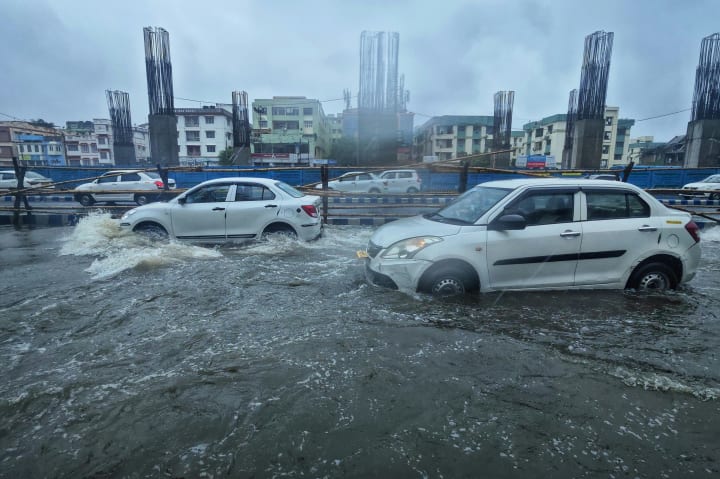
For the first time, Mr. Challenger felt truly defeated. He could not outrun the climate.
Coming Home with a New Resolve
And yet, in defeat came clarity. Mr. Challenger decided to return to Africa—not because the problems had vanished, but because running no longer made sense. The climate crisis, he realized, is global. It has no borders. It follows us, whether by drought, fire, or flood.
“If the problem is everywhere,” he said, “then the solution must begin at home.”
He returned to his village, not as a victim, but as a challenger once again. This time, his fight was against the very forces threatening his community.
Lessons from Mr. Challenger’s Journey
Mr. Challenger’s story is more than a tale of one man. It is the lived reality of billions. His journey highlights three truths about climate change:
1. It is borderless: Climate change does not recognize visas, passports, or fences. Whether in Africa, Europe, or Asia, the symptoms are the same—drought, wildfires, floods, storms. No region is immune.
2. The vulnerable pay first: In Africa, subsistence farmers are the first to feel drought. In Europe, the elderly died disproportionately in heatwaves. In Asia, coastal villages collapsed under floods. The poorest and most vulnerable communities, regardless of geography, bear the heaviest burden.
3. Adaptation is urgent: Mr. Challenger returned home because the solution is not flight—it is resilience. Investments in drought-resistant crops, reforestation, renewable energy, flood defenses, and early warning systems are not optional luxuries; they are survival tools.
The Challenger Spirit
Mr. Challenger now works with his neighbors to adapt. They are experimenting with climate-smart agriculture: terracing hillsides to capture water, planting trees to restore soil, and using solar pumps for irrigation. His story has become a call to action in his community: “If the world challenges us, then we must challenge it back—with innovation, unity, and hope.”
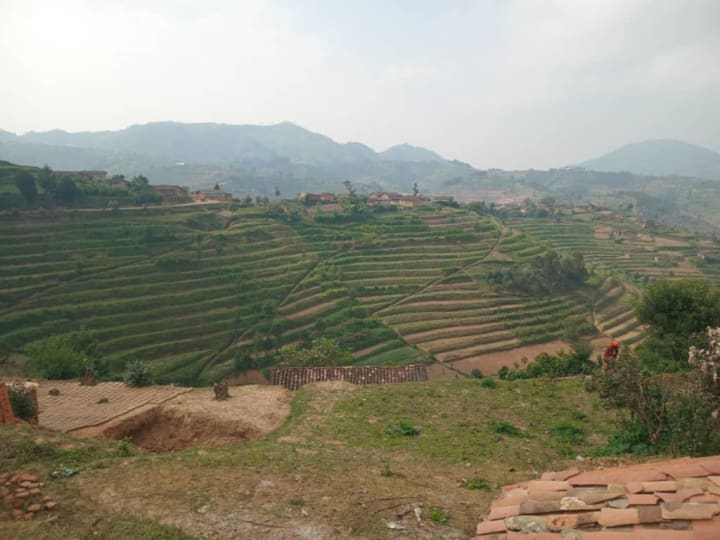
His name, once ironic, is now prophetic. The climate may challenge us, but we, too, are challengers.
Why His Story Matters
When we hear about climate change, it often comes in numbers: 1.5°C warming, 200 million potential climate migrants by 2050, billions in economic damages. But behind those statistics are lives like Mr. Challenger’s—people forced to move, to suffer, to adapt.
If one man’s path across three continents shows us anything, it is that the climate crisis is already here. It is not about 2100. It is about now.
And it is not just about survival. It is about dignity—the right to stay in one’s home without fear of hunger, fire, or flood.
Closing Reflection
When I think of Mr. Challenger, I see not just a man tested by the extremes of climate but a mirror held up to humanity. His journey tells us that no matter where we flee, there is no escape from a planet in distress. But it also tells us that solutions begin where we are, with what we have, and with the courage to face challenges head-on.
The climate has challenged us. Now it is our turn to respond.
And like Mr. Challenger, we must refuse to run away. We must rise, adapt, and fight for a livable future.
About the Creator
Marc Reflects
"Writer of African reflections, practical life lessons and lived experiences. I explore personal growth, resilience, and entrepreneurship through stories that uplift, challenge, and connect people at the heart level. Let’s grow together.”
Keep reading
More stories from Marc Reflects and writers in Earth and other communities.
Rwanda’s Journey of Restoration: Healing Land, Healing Lives
By Marc Reflects, September 2025 I often pause to look at Rwanda’s rolling hills, and I am struck by how the land tells its own story. Once stripped bare by deforestation, over-farming, and survival pressures, these hills now bear signs of healing. And yet, this healing has not been simple; it has required courage, sacrifice, and sometimes painful trade-offs. Our journey of restoration is not just about saving trees or wetlands only but it is about reshaping lives, livelihoods, and futures.
By Marc Reflects 6 months ago in Earth



Comments
There are no comments for this story
Be the first to respond and start the conversation.