
Pyrolysis Machinery: Industry-Standard Industrial Design
How It Shapes the Future of Waste Recycling


The advancement of pyrolysis technology has revolutionized the way industries address waste disposal, energy generation, and resource recovery. As the demand for more sustainable and efficient waste management systems continues to grow, the role of pyrolysis machinery becomes even more critical. However, the success of these systems is not only determined by their technical capabilities but also by the quality of their industrial design. This article explores how industrial design standards influence the performance, safety, and efficiency of pyrolysis machinery, ensuring that they meet both environmental and operational requirements.
The Role of Industrial Design in Pyrolysis Machinery
Industrial design in pyrolysis machinery refers to the structured process of designing equipment that is not only functional but also efficient, safe, and environmentally responsible. Unlike consumer product design, which often emphasizes aesthetics, industrial design for pyrolysis machinery prioritizes durability, usability, and compliance with industry standards.
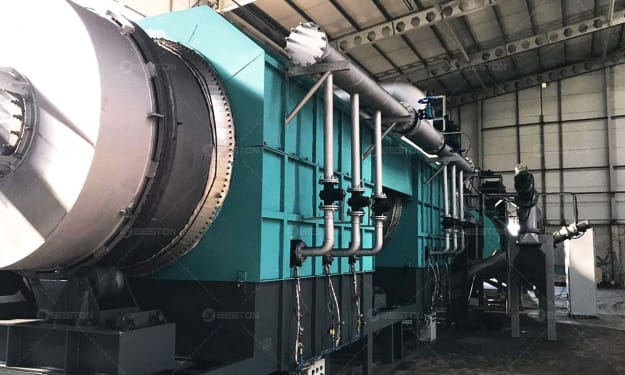
In pyrolysis plants, the equipment is tasked with converting waste materials—such as plastic, tires, and biomass—into valuable by-products like oil, gas, and carbon black. To ensure optimal performance, the machinery must be engineered to handle high temperatures, extreme pressures, and corrosive substances, all while maintaining high operational efficiency and safety standards.
Key Aspects of Industry-Standard Design for Pyrolysis Machinery
1. Safety and Compliance with Regulations
A fundamental component of industrial design is ensuring that pyrolysis machinery adheres to safety regulations and standards set by local and international authorities. This includes robust features to prevent accidents, such as:
- Pressure relief valves to manage unexpected pressure buildups
- Flame arrestors to prevent fire hazards
- Temperature control systems to prevent overheating and ensure safe thermal processes
- Emergency shutdown systems that automatically halt operations in case of failure or hazardous conditions
These safety mechanisms are not just required for legal compliance but also to guarantee the long-term functionality and operational integrity of the equipment.
2. Energy Efficiency and Resource Recovery
A well-designed pyrolysis plant maximizes the recovery of valuable by-products while minimizing energy consumption. This is achieved through:
- Heat exchange systems that recycle energy within the process, reducing the need for external energy sources
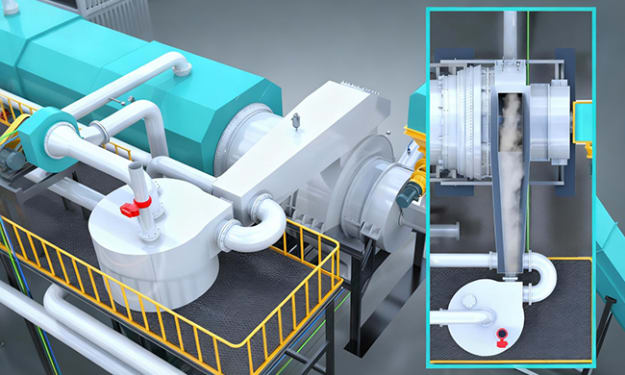
- Efficient reactors that ensure even heating and faster conversion rates, thereby enhancing the overall productivity of the plant
- Syngas collection and utilization for energy generation, reducing reliance on non-renewable sources
By focusing on these elements, industrial design ensures that the machinery operates at maximum efficiency, contributing to both environmental sustainability and cost-effectiveness for the operator.
3. Modularity and Scalability
Modern pyrolysis machinery is often designed with modular components that allow for easy upgrades and maintenance. This scalability is particularly beneficial for businesses that are looking to expand or modify their operations without having to replace the entire system. A modular design approach can include:
- Interchangeable parts for quick repairs and replacements
- Expandable reactors to accommodate increasing waste processing volumes
- Flexible configurations that allow the machinery to adapt to different types of waste materials
By implementing such scalable designs, pyrolysis machinery can remain relevant and functional as business needs evolve over time.
4. Sustainability and Environmental Impact
Sustainability is a key consideration in industrial design. Pyrolysis machinery is inherently a sustainable solution, as it transforms waste into valuable resources and reduces landfill burden. However, industrial design takes it a step further by ensuring that the machinery operates with minimal environmental impact. This includes:
- Efficient emission control systems to reduce air pollution and comply with environmental regulations
- Low-emission technologies that minimize the release of harmful gases, including CO2 and other greenhouse gases
- Water recycling systems to ensure that water usage is minimized and waste is treated in a responsible manner
With these design features, pyrolysis machinery can align with the principles of a circular economy, promoting resource recovery and waste minimization.
5. User-Friendly Operation and Maintenance
Effective industrial design not only focuses on the functionality of the machinery but also on its ease of use. Pyrolysis plants often require continuous monitoring and maintenance, which is why the equipment must be designed with user-friendly interfaces and accessible components for operators and maintenance personnel. Key features include:
- Touchscreen control panels for easy monitoring and operation of the machinery
- Clear error diagnostics that provide immediate feedback to the operator, reducing downtime
- Easy-to-access service panels for efficient routine maintenance and repairs
These features ensure that the plant runs smoothly and that operators can respond quickly to any potential issues without causing prolonged disruptions.
Conclusion
Industrial design plays a crucial role in optimizing the performance, safety, and sustainability of pyrolysis machinery. By adhering to industry standards and focusing on elements such as energy efficiency, scalability, user-friendliness, and environmental responsibility, manufacturers can produce equipment that meets the growing demands of the waste-to-energy and resource recovery sectors.
As industries around the world continue to adopt pyrolysis technology for waste management, the importance of well-engineered machinery that adheres to industry standards cannot be overstated. Not only does it ensure operational success, but it also contributes to the broader goals of sustainability and resource conservation—making it a vital component of the future of waste recycling.
About the Creator
Bestonpyrolysis
Engaged in waste plastic/tyre/rubber recycling, oil sludge treatment, biomass recycling, sewage sludge management and paper recycling…
https://bestonpyrolysisplant.com/
Keep reading
More stories from Bestonpyrolysis and writers in Earth and other communities.
Adverse Effects of Excessively High or Low Temperatures in Biochar Pyrolysis Equipment and How to Avoid Them
Temperature plays a crucial role in the efficiency and quality of biomass pyrolysis when using biochar pyrolysis equipment. Deviations, whether too high or too low, can lead to significant drawbacks. This article examines the adverse effects of temperature imbalances during pyrolysis and provides practical solutions to address them.
By Bestonpyrolysisabout a year ago in Earth
Staying sane in the insane world.
”It is no measure of health to be well adjusted to a profoundly sick society.” Jiddu Krishnamurti This quote has been one of my favourites since the moment I first laid my eyes on it. To me, it cuts right through the fog of the illusion of normality that permeates our lives. And since I am someone who has never felt (well) adjusted to this society, Krishnamurti’s words gifted me with the realisation that there isn’t anything inherently wrong with me.
By Eva Smitte7 days ago in Humans


Comments
There are no comments for this story
Be the first to respond and start the conversation.