
Polar Vortex Collapse Forecast: What It Really Means and Why Experts Are Watching Closely
1: Understanding the Polar Vortex and Its Impact on Weather Patterns
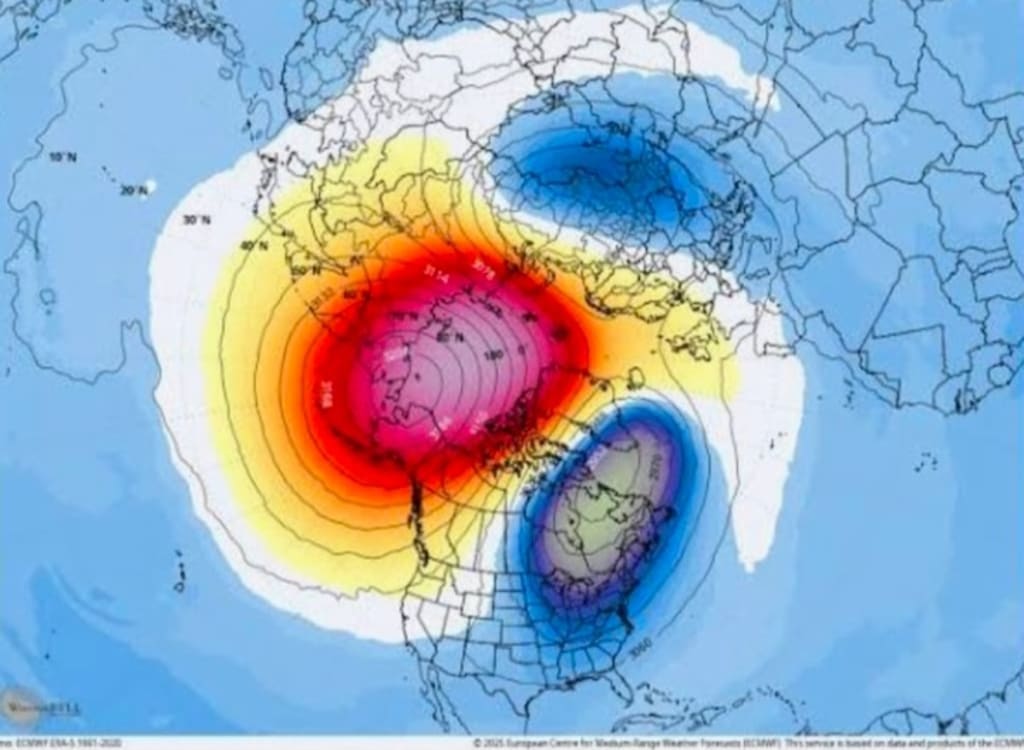
The term "Polar Vortex" has gained increasing attention in recent years, especially during the winter months. But what does it actually mean? And why are scientists and meteorologists paying such close attention to its behavior?
The polar vortex is a large area of low pressure and cold air that circulates around the Arctic. It is typically confined to the region near the North Pole, but occasionally, the vortex can weaken and shift southward, sending frigid air to the mid-latitudes, including parts of North America and Europe. A "collapse" of the polar vortex refers to a breakdown in this atmospheric system, leading to more extreme winter weather conditions.
While the polar vortex itself is not an unusual phenomenon, the frequency and intensity of its disruptions have raised alarm bells among climate scientists. In this article, we'll delve deeper into what a polar vortex collapse means, why experts are monitoring it closely, and how it can impact global weather systems.
Sub-Title 2: How Does the Polar Vortex Collapse Occur?
The polar vortex is not a fixed structure. It is an ever-changing, dynamic feature of the atmosphere. The vortex typically sits high in the atmosphere, near the Arctic region, and is made up of strong westerly winds that keep the cold air contained. Under normal conditions, the vortex spins in a counterclockwise direction, trapping the icy air within the Arctic zone.
However, several factors can lead to the weakening or collapse of the vortex. One of the most important contributors is an increase in solar activity, which can influence the jet stream's behavior. When the jet stream weakens or becomes wavier, the polar vortex can stretch and break apart. This creates large pockets of cold air that can spill out of the Arctic and affect regions much further south than usual.
A collapse or disruption of the polar vortex doesn't always mean immediate, dramatic cold spells, but it increases the likelihood of sudden drops in temperature, particularly in regions that don't usually experience such extreme weather.
Sub-Title 3: What Happens When the Polar Vortex Collapses?
When the polar vortex collapses, the resulting weather events can be severe and widespread. The displaced cold air from the Arctic can lead to sudden temperature drops and harsh winter conditions across much of the Northern Hemisphere. These cold spells often last longer than typical cold fronts, making them more dangerous.
In the United States, for example, the collapse of the polar vortex can lead to bitterly cold temperatures, heavy snowfalls, and dangerous wind chills. In 2014, a polar vortex event caused significant disruptions in daily life, with cities like Chicago experiencing temperatures as low as -30°F (-34°C).
Beyond the immediate cold temperatures, these disruptions can also have long-term effects. Cold air masses can lead to record-breaking snowfalls and create transportation and infrastructure issues, from icy roads to power outages. Additionally, the unpredictable weather can affect agriculture, tourism, and other industries dependent on stable climate conditions.
Sub-Title 4: Why Are Experts Concerned About the Increasing Frequency of Polar Vortex Collapses?
Experts are increasingly concerned about the frequency and intensity of polar vortex collapses, as they appear to be linked to broader changes in the climate. Some studies suggest that rising global temperatures are contributing to the destabilization of the polar vortex.
The Arctic region is warming at twice the rate of the global average, a phenomenon known as "Arctic amplification." As the Arctic warms, the temperature difference between the warm air in the mid-latitudes and the cold air near the North Pole decreases, which can weaken the jet stream. When the jet stream weakens, it becomes more likely that the polar vortex will destabilize and cause extreme weather events further south.
Although the connection between climate change and polar vortex disruptions is still being studied, scientists are particularly focused on understanding how the warming Arctic might influence the behavior of this important atmospheric system. Some research suggests that as the Arctic warms, the polar vortex may become more prone to abrupt shifts, leading to more frequent and intense winter weather events.
Sub-Title 5: What Does This Mean for Global Weather Patterns?
The collapse of the polar vortex has far-reaching implications for global weather patterns. The sudden displacement of Arctic air can lead to extreme weather events in other regions, particularly in the mid-latitudes, where temperate climates are more vulnerable to sudden changes.
In addition to colder temperatures, the shifting of the polar vortex can also disrupt normal precipitation patterns. For example, a breakdown of the polar vortex can increase the likelihood of heavy snowfall in the northern parts of North America and Europe, while droughts or unusual weather patterns may develop in other regions.
One of the most concerning aspects of the collapse of the polar vortex is its potential to interact with other atmospheric phenomena, such as the El Niño and La Niña patterns, which further complicates weather predictions. As the interactions between these systems become more erratic, predicting future weather events becomes more challenging, both for meteorologists and for those who rely on weather forecasts for planning and preparedness.
Sub-Title 6: Preparing for a Polar Vortex Event: What Can We Do?
Given the unpredictable nature of the polar vortex, it’s essential for both individuals and communities to be prepared for the possibility of extreme winter weather. The best way to prepare for a polar vortex event is by staying informed and taking proactive measures.
Monitoring Weather Alerts: National weather agencies like the National Weather Service (NWS) and the European Centre for Medium-Range Weather Forecasts (ECMWF) provide early warnings of potential disruptions to the polar vortex. Staying updated on these forecasts will give you ample time to prepare for potential cold spells.
Winterizing Your Home: Ensure your heating system is working efficiently and that your home is properly insulated. Pipe insulation and proper weatherproofing can prevent freezing and energy loss during extreme cold conditions.
Emergency Kits and Supplies: Having an emergency kit on hand, with essentials like bottled water, non-perishable foods, extra blankets, and a flashlight, is crucial in case of power outages or disruptions caused by severe weather.
Transportation Preparedness: Keep your vehicle winter-ready, especially if you live in an area that could be affected by a polar vortex collapse. Stock your car with essential items like blankets, a first-aid kit, extra clothing, and snow removal tools.
Sub-Title 7: Conclusion: A Growing Concern in an Uncertain Climate
The forecast of a polar vortex collapse is more than just a headline for a winter storm. It is a sign of the changing dynamics of our global climate system and the increasing unpredictability of weather patterns. While not every disruption of the polar vortex results in extreme cold, its growing frequency is a cause for concern among climate scientists and meteorologists.
As climate change continues to affect global weather systems, understanding and preparing for polar vortex events will become even more important. By staying informed, taking preventive measures, and working to mitigate the underlying causes of climate change, we can better navigate the uncertainty of the future and build resilience against extreme weather events.
Ultimately, while the polar vortex collapse may sound like a distant phenomenon, it’s something that directly impacts our daily lives — and its increasing frequency signals a need for serious attention.
About the Creator
Keep reading
More stories from Ayesha Lashari and writers in Earth and other communities.
Melting Antarctic Ice Did the Opposite of What Scientists Expected
Antarctica’s ice sheets are melting faster than ever. For decades, scientists believed this could actually help slow climate change by feeding the ocean with iron, a nutrient that powers algae growth — and in turn, draws carbon dioxide from the atmosphere.
By Ayesha Lashari2 days ago in Earth
Enoch Burke Case: Disciplinary Panel Members Resign in Major Blow to Efforts to Resolve Row Over Teacher’s Dismissal
The long-running dispute surrounding Irish teacher Enoch Burke has taken another dramatic turn after members of a disciplinary panel resigned, dealing a significant setback to efforts aimed at resolving the controversy over his dismissal. The case, which has attracted widespread public attention, continues to raise complex questions about employment rights, institutional authority, and the handling of disputes involving personal beliefs in professional settings.
By Aarif Lashariabout 5 hours ago in Earth


Comments
There are no comments for this story
Be the first to respond and start the conversation.