
Playing and Living in the Desert
Wildlife in the desert


The animals who can survive the harsh conditions of the desert do it in various ways. It can be with large ears to radiate heat or thick coats to prevent sunburn and withstand freezing temperatures are night. Some of the are nocturnal and avoid the heat of day. All of them can get by with very little water.
African Bullfrogs
African bullfrogs are the second-largest frogs on the African continent. They can avoid the heat of the desert by methods such as burying themselves until the weather improves. These bullfrogs burrow into the ground and lie dormant. They slough off their skin, forming a cocoon to hold in the body moisture and abosorb water that is stored in their bladders. When the rains come the bullfrogs return to the surface to feed and breed. They'll dine on birds, rodents, and other frogs.
Arabian Oryxes

Arabian oryxes are herbivores. They have white coats to reflect the sunlight in the daytime. Their dark legs help absorb heat druing cold desert mornings. Oryxes can sense rain over long distances and can find fresh grasses and plant. They feed during dawn and late afternoon, resting in shady areas during midday heat. They can go without water for day and even weeks and when needed they get water from the plants they eat.
Arabian Wolves

Arabian wolves are a subspecies of gray wolves. They have adapted to live in very harsh desert conditions. Their long winter coats insulate them against freezing temperatures. In the summer they have shorter coats, the longer fur remains along their backs to protect against the heat of the sun. They can disperse body heat with their extra large ears. To escape from extreme temperatures they dig deep dens and rest in the shade. Arabian wolves lead solitary lives and prey on small birds, reptiles, and hares as well as large animals such as gazelles and ibexes. Not being able to go without water they stick to gravel plains and the fringes of the desert.
Costa's Hummingbirds

These hummingbirds escape the heat of the hottest summer days by migrating to chapparal or scrub habitats. When the overnight temperatures dorp the birds enter a state of torpor when they slow down their heart rates to conserve energy. These littel birds get water from nectar and feed on insects. They will sip water when a source is available.
Elf Owls
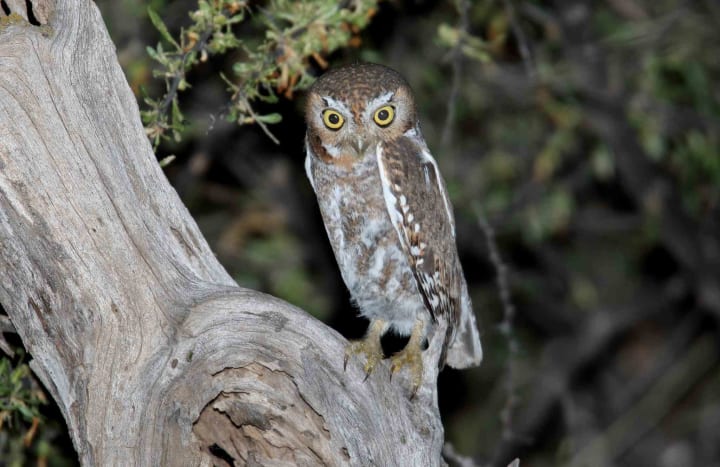
Elf owls are at home in hot, sandy environments. These tiny owls live in riparian areas of the Sonoran desert in the western US. They dine on scorpions and other prey. Elf owls escpate the heat of day resting in tree cavities or holes in Saguaro cacti left abandoned by woodpeckers. The owls hunt at night and have low-light vision. They get water from the food they consume.
Desert Bighorn Sheep
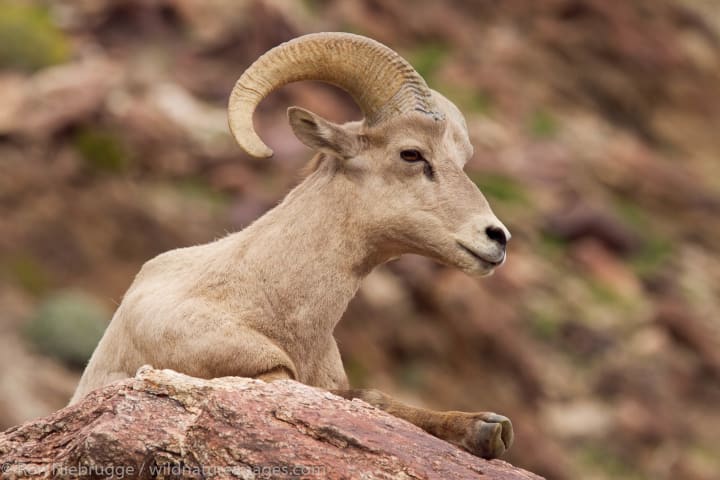
Desert bighorn sheep live in rugged landscapes in the western US. They can go for weeks without water and get their water when needed from food and rainwater sources. They use their horns to split open barrel cacti and eat the watery flesh. Desert bighorn sheep can survive slight body temperature fluctuations, unlike many other mammals, which helps them thrive in such extreme heat and cold.
Desert Hedgehogs

These adorable desert residents are found in Africa and the Middle East. They're adapted to living in desert and arid scrub habitats. This species is one of the smallest hedgehogs. They survive the heat escaping into burrows during the day and hunt at night. Their diets consist of insects, invertibrates, bird eggs, snakes, and scorpions. Desert hedgehogs stay hydrated through their prey.
Fennec Foxes

Fennec foxes live in the deserts of North Africa. They re nocturnal omnivores with huge ears. These ears help the animals cool down by releasing heat from the blood that circulates thrugh them, They have thick fur coats keeping them warm on frigid nights. The fur that covers their paws protects them from the hot sand.
The fennec fox eats plants, eggs, insects, and pretty much anything else it finds. It can survive without access to free-standing water, in part to kidneys adapted to minimize water loss.
Jerboas

Jerboas are tiny kangaroo-like rodents native to the deserts of North Africa, China, and Mongolia. They happily burrow beneath the ground creating burrowing systems to escape extreme temperatures. They have short forearms and well-built hind legs for digging and folds of skin that can close off their nostrils to sand. These little creatures have specialized hairs to keep sand from getting into their ears, Their long back legs let them travel rapidly. They get water from the vegetation and insects they eat.
Kalahari Lions

Kalahari lions are a subspecies of African lions and adapted to desert environments. They have longer legs and leaner bodies. These lions have more endurance. They live in small groups laying claim to larger territories and dine on smaller prey such as antelopes, porcupines, and birds. They have a strong resistance to thirst and can go two weeks without drinking water. They rely on their prey for moisture. Kalahari lions cool down their bloof by panting and sweating through the pads of their paws.
Meercats

Meercats are well-known residents of the Kalahari Desert. They get water from their diets of insects, snakes, scorpions, roots, and tubers. They create burrowing systems to escape predators and harsh weather. Meercats can close their ears to keep sand out and have third eyelids to protect their eyes. The dark coloration around their eyes proctects them by reducing the glare of the sun.
Ring-tailed Cats

Ring-tailed cats are fox-like nocturnal animals about the size of cats with tail that are similar to raccoons. They can be found in rocky outcroppings and mine shafts and can scale anything from cliffs to cacti by rotating their hind legs 180 degrees for great grip with their semi-retractable claws. These cats live in the western US including the Sonoran Desert in Arizona. They will dine on anything from fruit to insects to reptiles and small mammals, They keep out of the midday sun and are active at night. Their diets provide them with enough moisture.
Sand Cats

Adorable sand cats make their homes in northern Africa and central and southwest Asia. They live in a sandy desert habitat. Their big ears are set low protecting them from windblown sand and they can locate prey hiding underground. Their thickly furred paws help them cope with extreeme hot or cold sand. To escape extreme temperatures they go into burrows abandoned by foxes or rodents. Sand cats are active during the day in winter and nocturnal in summer.
For their meals they prey on rats, mice, hares, birds, snakes, spiders, and insects.
Sonoran Pronghorns

Pronghorns are the fastest land animals in North America and found across the continent. Sonoran pronghorns have adapted to living in challenging environments. They eat and digest plants including dry grasses and cacti. They have teeth with particularly high crowns to handle abrasive foods and have a four-part stomach to extract as many nutrients as possible. Their hollow hairs trap heat to insulate them against the freezing temperatures at night. They can raise patches of hair to release trapped heat and cool off on hot days.
Snow Leopards

Snow leopards live in the Gobi Desert and other areas of inner Asia. Their high-altitude homes make it tough to survive. Their large chests let them get enough oxygen from thin mountain air and their nasal cavities help warm air before it gets into their lungs. Snow leopards have massive paws and extra-long tails to navigate the rocky terrain and their long, thick coats keep them warm in freezing temperatures.
Snow leopards are carnivores and dine on what they can find like ibex, markhor, deer, bharal, boar, marmots, small rodents, and pikas.
About the Creator
Rasma Raisters
My passions are writing and creating poetry. I write for several sites online and have four themed blogs on Wordpress. Please follow me on Twitter.
Keep reading
More stories from Rasma Raisters and writers in Earth and other communities.
Plans Lodged for Assembly Rooms Replacement
Plans have been officially submitted for the replacement of the historic Assembly Rooms, signaling a significant transformation in the heart of the city. The Assembly Rooms, long regarded as a cultural and architectural landmark, have been a venue for public gatherings, performances, and civic events for decades. With the new plans now lodged, the community, local authorities, and heritage groups are preparing for a debate over modern development versus preserving historical character.
By Muhammad Hassan7 days ago in Earth
Man Shot and Killed During Minneapolis Immigration Crackdown Graduated from Preble High School
A man shot and killed during an immigration enforcement operation in Minneapolis has been identified as a graduate of Preble High School, a detail that has added a deeply personal dimension to an already controversial crackdown. As authorities continue to investigate the circumstances surrounding the fatal shooting, community members, former classmates, and civil rights advocates are demanding transparency, accountability, and a broader review of how immigration enforcement actions are being carried out.
By Salaar Jamali3 days ago in Earth



Comments
There are no comments for this story
Be the first to respond and start the conversation.