
Plastic pollution in oceans
Plastic pollution in the world’s oceans has become the pressing environmental issues of the 21st century.

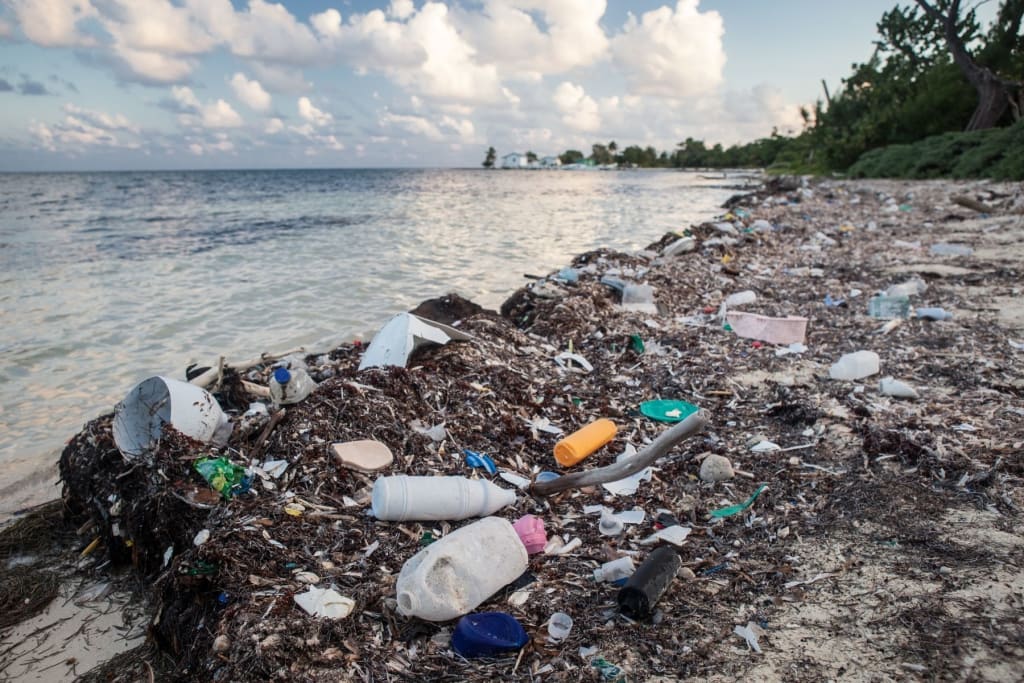
The oceans cover over 70% of the Earth's surface, and they play an essential role in sustaining life on Earth. However, plastic waste has infiltrated this vast ecosystem, causing irreversible damage to marine life, ecosystems, and human health.
(I)The Growing Crisis
Each year, millions of tons of plastic waste are dumped into the ocean. According to the United Nations, an estimated 8 million tons of plastic enter the oceans annually. A significant portion of this plastic comes from land-based sources, including litter, improper disposal, and inadequate waste management. Once in the ocean, plastic debris breaks down slowly due to its non-biodegradable nature. Some plastics, such as plastic bags and bottles, can take hundreds of years to degrade. As a result, plastics accumulate over time, creating vast floating islands of trash known as "garbage patches."
The Great Pacific Garbage Patch, the largest of these, spans a staggering 1.6 million square kilometers. This patch is composed primarily of tiny plastic particles, known as microplastics, which have broken down from larger items. These microplastics are so small that they are nearly impossible to remove from the environment. Unfortunately, plastic waste is not confined to just these patches. It is found everywhere, from the deep sea to the most remote islands in the world.
(II)Impact on Marine Life
One of the most visible and concerning effects of plastic pollution is its devastating impact on marine life. Sea animals, including turtles, fish, whales, and seabirds, often mistake plastic items for food. When they ingest plastic, it can cause blockages in their digestive systems, leading to malnutrition, starvation, or even death. A study found that over 700 species of marine animals have been affected by plastic pollution.
Marine creatures like sea turtles are particularly vulnerable. They often mistake plastic bags for jellyfish, one of their primary food sources. Ingesting plastic not only causes physical harm but also introduces harmful chemicals into their bodies. Chemicals from plastics, such as Bisphenol A (BPA) and phthalates, can leach into the ocean and accumulate in marine animals, leading to toxic effects and disrupting reproductive systems. These chemicals also enter the food chain, as larger fish consume smaller fish and other creatures that have ingested plastic.
Additionally, plastics in the ocean can entangle marine species, particularly whales, dolphins, and seabirds, causing physical injuries or death. This is often the result of fishing nets, ropes, and other discarded plastic debris that ensnare animals.
(III)Microplastics: A Hidden Threat
Microplastics are another significant issue associated with plastic pollution. These are small plastic particles less than five millimeters in size, created when larger plastic items break down over time. Microplastics are also intentionally manufactured for use in products like facial scrubs, toothpaste, and synthetic clothing fibers. They are so tiny that they are often invisible to the naked eye, yet they pose a massive threat to marine organisms and ecosystems.
Fish and other marine life can mistake microplastics for food, ingesting them in large quantities. This not only harms the animals directly but also causes microplastics to enter the food chain. Eventually, humans, who consume seafood, may also be ingesting microplastics, which can have unknown long-term health consequences.
One of the most concerning aspects of microplastics is their ability to absorb toxic chemicals from the surrounding water. These toxins can then be passed on to marine organisms when they ingest the particles. The full extent of the harm caused by microplastics is still being researched, but early studies indicate that they can have harmful effects on the health of marine life.
(IV)The Human Connection
While the focus of plastic pollution often centers on marine life, it is important to remember that humans are also deeply connected to the oceans. The oceans provide food, support livelihoods, and regulate climate patterns. As plastic pollution continues to increase, it poses a direct threat to human health and economies.
Plastic waste that enters the ocean eventually breaks down into microplastics, which accumulate in the food chain. As seafood consumption increases globally, humans may unknowingly consume microplastics. Research has already detected microplastics in bottled water, table salt, and even beer. Ingesting these particles can lead to serious health risks, including potential damage to the digestive system and the immune system. Moreover, toxic chemicals from plastics could also leach into the environment, affecting soil and freshwater systems, further extending the impact of pollution.
The economic cost of plastic pollution is also staggering. The global fishing industry, worth billions of dollars, suffers immense losses due to damage caused by plastic debris. Additionally, tourism industries that rely on clean beaches and oceans face declining revenues as plastic waste accumulates on shorelines.
(V)Solutions and Actions
Addressing plastic pollution requires a multifaceted approach involving individuals, governments, and businesses. Reducing plastic consumption is key. Many countries and regions are implementing plastic bans on single-use items like straws, bags, and bottles. Public awareness campaigns encourage people to reduce their plastic use and recycle more effectively. Innovations in biodegradable plastics and alternative materials also offer promising solutions.
Governments and international organizations must work together to create global standards for waste management, especially in countries with inadequate infrastructure. It is also essential to focus on cleaning up existing pollution. Many organizations and initiatives are currently involved in efforts to remove plastic waste from oceans through large-scale cleanup operations and technological innovations.
In conclusion, plastic pollution in the oceans is a complex and growing problem that threatens marine ecosystems, human health, and the global economy. While solutions exist, it will require collective action from all sectors of society to curb this crisis. By making changes in our consumption habits, improving waste management, and supporting innovative cleanup efforts, we can protect the oceans and ensure a healthier planet for future generations.
About the Creator
Badhan Sen
Myself Badhan, I am a professional writer.I like to share some stories with my friends.
Keep reading
More stories from Badhan Sen and writers in Earth and other communities.
📢 Raise Your Voice Thread: 02/05/2026
Our “Raise Your Voice Threads” are hosted most alternating Thursdays at 12PM ET to offer creators more avenues to uncover exceptional stories on Vocal. As we are continuously searching for fresh creators and inspiring stories, this thread provides an opportunity to exchange and discuss the stories that have moved and motivated us on Vocal.
By Raise Your Voice by Vocal3 days ago in Resources


Comments (1)
Nice work.