
Trump Administration Reapproves Dicamba for GMO Soybeans and Cotton
Farmers gain a powerful tool, but environmental groups warn of drift, crop damage, and health risks
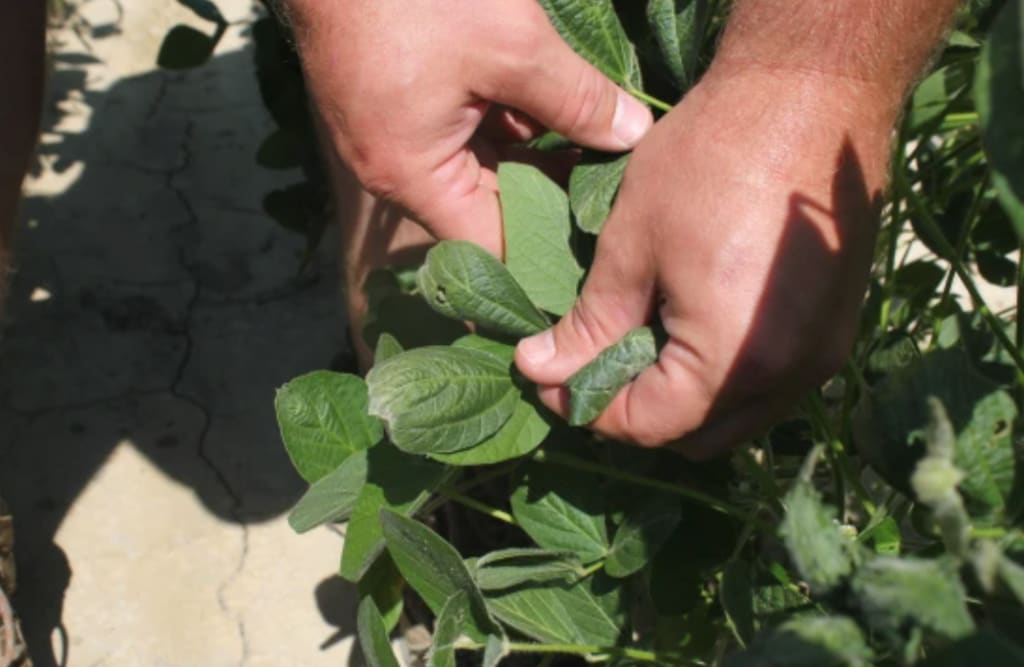
In a controversial move, the Trump administration’s Environmental Protection Agency (EPA) has reapproved the use of the herbicide dicamba on genetically modified soybeans and cotton. While farmers see the decision as critical for combating resistant weeds, environmentalists and scientists have raised alarm over its drift-prone nature, potential crop damage, and health concerns.
Dicamba, first introduced in the 1960s, was engineered to kill broadleaf weeds while leaving certain genetically modified crops unharmed. However, its tendency to volatilize and drift into neighboring fields or sensitive areas has sparked lawsuits and regulatory challenges over the past decade.
Why Dicamba Matters to Farmers
Farmers, particularly in the Midwest and Southern United States, have struggled with “superweeds” resistant to older herbicides. Soybeans and cotton genetically engineered to tolerate dicamba offered a solution, but previous approvals faced legal hurdles.
The reapproval allows farmers to control invasive weeds, protect crop yields, and potentially reduce the economic impact of herbicide-resistant plants. Advocates argue that without dicamba, production losses could reach billions of dollars, threatening both local economies and national agricultural output.
Regulatory Background
Dicamba’s regulatory journey has been turbulent. In 2020 and 2024, federal courts struck down EPA approvals due to procedural issues and environmental concerns. Each ruling emphasized the herbicide’s risk of drift and damage to non-target crops, highlighting the need for stricter regulation.
The Trump administration’s latest approval introduces enhanced safeguards, including:
Reduced application rates
Restricted seasonal spraying periods
Mandatory buffer zones to prevent drift
These measures are intended to address past concerns while providing farmers the tools they need for weed control.
Environmental and Health Concerns
Environmental groups remain unconvinced. Dicamba’s volatility means that even with stricter guidelines, it can damage nearby crops, gardens, and natural vegetation. Studies show that drift has led to widespread crop losses and ecosystem disturbances.
Additionally, researchers caution about potential health risks. Long-term exposure to dicamba has been linked to certain cancers and other health problems, though studies are ongoing. Critics argue that approving the chemical, even with restrictions, puts public health and the environment at risk.
Industry and Farmer Reactions
Farmers’ organizations, like the American Soybean Association, have welcomed the approval. They argue that dicamba is essential for modern agriculture, particularly against herbicide-resistant weeds. Farmers stress that the herbicide helps maintain yield and economic viability, especially in high-demand crops like soybeans and cotton.
Agricultural chemical companies also support the move, citing the need for clear regulations to plan sales and ensure compliance with EPA rules.
Legal Challenges Likely to Continue
Despite the EPA’s reapproval, environmental and community groups have indicated plans to challenge the decision in court. Previous rulings suggest that legal disputes over dicamba may continue for years, highlighting the tension between agricultural needs and environmental protection.
These potential lawsuits could affect enforcement, application guidelines, and long-term approval status.
Balancing Agricultural Needs and Environmental Safety
The dicamba debate underscores the difficulty of balancing farmers’ economic interests with ecological and public health concerns. While genetically modified crops and associated herbicides can boost productivity, chemical drift and contamination create conflicts for neighboring farms and communities.
Regulators face a complex task: providing effective weed control tools while protecting ecosystems and human health from potential harm.
Economic Implications
For farmers, dicamba represents not just a crop protection tool, but an economic necessity. Losses from resistant weeds could reduce profitability, increase production costs, and threaten the viability of small to medium-sized farms.
However, damage from drift to neighboring farms and organic crops can have the opposite economic effect, potentially sparking lawsuits and compensation claims. The balance between productivity and risk management is delicate and closely monitored by all stakeholders.
Community and Environmental Justice Concerns
Dicamba use also raises questions about environmental justice. Communities near large farms may be disproportionately exposed to drift, while organic farmers and gardeners face crop losses through no fault of their own. Critics argue that the benefits of dicamba are concentrated among large agricultural operations, while environmental and health risks are widespread.
Conclusion
The Trump administration’s reapproval of dicamba for genetically modified soybeans and cotton marks a significant moment in the intersection of agriculture, law, and environmental policy. While farmers gain a crucial tool for controlling resistant weeds, the decision reignites debates about chemical safety, ecological responsibility, and regulatory oversight.
As the 2026 planting season begins, both farmers and environmental groups will watch closely to see how the new restrictions are implemented and whether they effectively prevent the crop damage and drift concerns that have plagued previous seasons.
The ongoing controversy highlights a broader question: how to balance modern agricultural innovation with environmental stewardship and community safety in a rapidly changing regulatory landscape.
About the Creator
Under the Quiet Sky
Under the Quiet Sky The city wakes before the sun, breathing smoke, horns, and hurried footsteps. From the fourth floor of an aging apartment, Ayman watches the morning unfold like a restless tide. He is a delivery rider, a job built on speed, yet his own life moves slowly, measured by prayers whispered between traffic lights and thoughts carried across bridges. People notice his green jacket, not his eyes. They see the package, not the person holding it.
By Imran Hossain5 days ago in Earth
Protesters Bid to Save the ‘Heart’ of Margate
Residents and activists in Margate have launched a passionate campaign to save what they describe as the town’s “heart” — a historic public space facing redevelopment. The dispute has ignited local debate over preserving heritage, supporting small businesses, and maintaining the cultural identity of one of England’s most iconic seaside towns.
By Aarif Lashari5 days ago in Earth
The Devil's Triangle
The sails ruffled in the breeze as we cruised along. The Sea Breeze was a mid-size catamaran that sailed out of Royal Naval Dockyard in Bermuda. We had booked this trip weeks in advance and were now looking at our Captain, Spike and two boat hands. Paddy and Wilson seemed like nice guys, joking around with the passengers and telling us some stories about Bermuda that only locals would know. Their island accents sounded almost British but they were pleasant to listen to.
By Barbara Gode Wiles4 days ago in Fiction


Comments
There are no comments for this story
Be the first to respond and start the conversation.