
Rivers: Formation, deltas, and dams
Rivers are one of the most significant natural water bodies on Earth, playing a crucial role in shaping landscapes, sustaining ecosystems, and supporting human civilization. They serve as lifelines for agriculture, transportation, and power Generation.

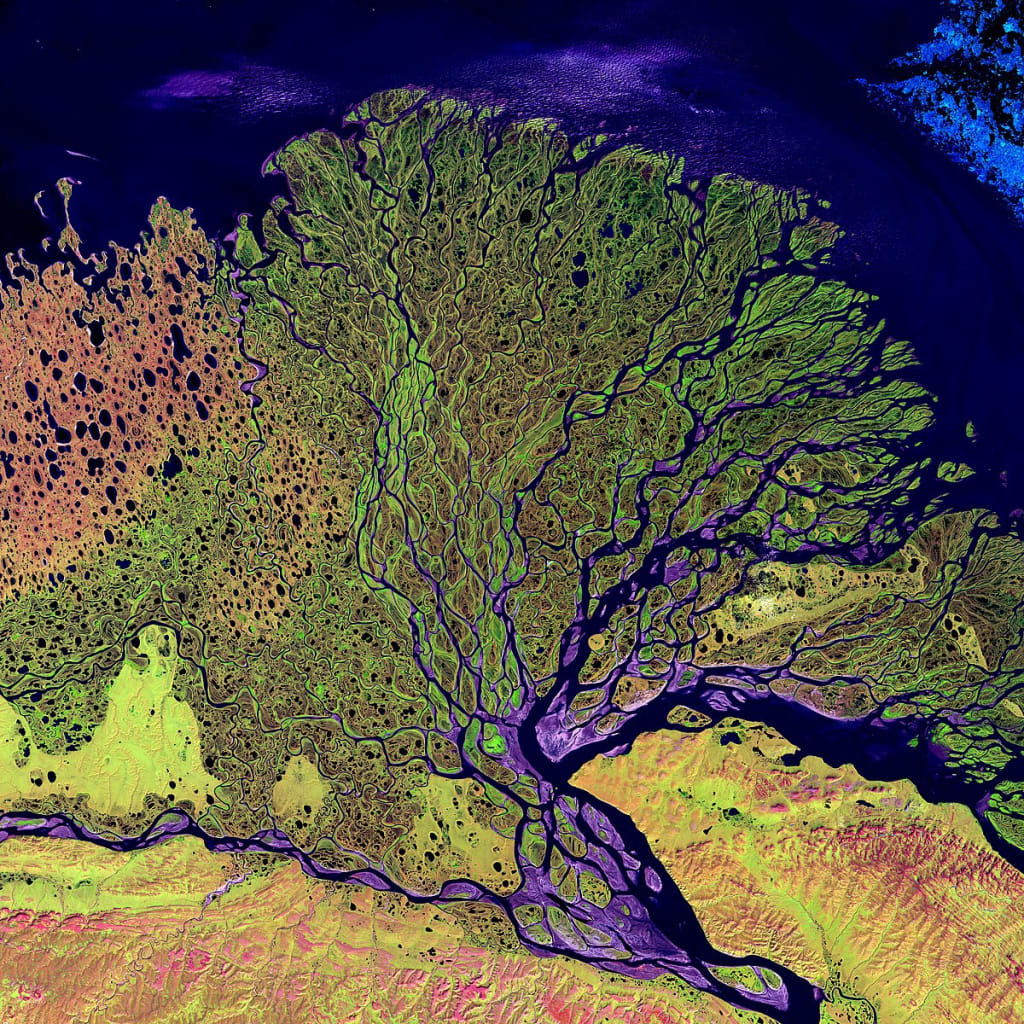
The article of rivers explores the formation of rivers, their deltas, and the impact of dams on their natural flow.
(I)Formation of Rivers
Rivers originate from a variety of sources, including glaciers, springs, and rainfall accumulation. Their formation generally follows a structured process that begins with surface runoff. When precipitation falls on land, some of it infiltrates the ground while the rest flows downhill due to gravity, collecting in small channels and streams. These streams merge to form larger watercourses, ultimately giving rise to rivers.
The course of a river is typically divided into three stages: the upper course (youthful stage), the middle course (mature stage), and the lower course (old stage).
Upper Course: This stage is characterized by steep gradients, fast-flowing water, and the presence of waterfalls and rapids. The river actively erodes its bed and banks, cutting through rock formations and creating deep valleys.
Middle Course: As the river progresses, its gradient decreases, and the flow becomes less turbulent. Meanders begin to form as the river carves out a wider path. This stage is significant for sediment transport, where eroded material from the upper course is carried downstream.
Lower Course: In this stage, the river approaches its mouth, slowing down considerably. Deposition becomes more dominant than erosion, leading to the formation of landforms like floodplains and deltas.
(II)River Deltas
A river delta is a landform created by the deposition of sediments at the river’s mouth, where it meets a larger water body like an ocean, sea, or lake. The gradual accumulation of sediments leads to the formation of multiple distributary channels that spread out in a fan-like shape. Famous examples of river deltas include the Nile Delta, the Mississippi Delta, and the Ganges-Brahmaputra Delta.
(III)Formation of Deltas
Deltas form when a river carries a high sediment load and slows down upon reaching a standing water body. The decrease in velocity causes sediments to settle, gradually building up land. Factors influencing delta formation include:
Sediment Supply: The greater the sediment carried by the river, the more pronounced the delta.
Tidal and Wave Action: Strong waves and tides can redistribute sediments, affecting the delta’s shape.
Sea Level Changes: Rising sea levels can submerge deltas, while falling sea levels expose new deltaic land.
Deltas are ecologically significant as they provide fertile land for agriculture, support diverse wildlife, and act as natural barriers against coastal erosion and storm surges.
(IV)Dams and Their Impact on Rivers
Dams are artificial structures built across rivers to control water flow, generate hydroelectric power, facilitate irrigation, and prevent flooding. While they offer substantial benefits, dams also have significant environmental and social consequences.
(V)Benefits of Dams
Hydroelectric Power Generation: Dams provide renewable energy by harnessing water flow to generate electricity, reducing reliance on fossil fuels.
Water Storage and Irrigation: Dams store large volumes of water, ensuring a steady supply for agricultural and domestic use during dry periods.
Flood Control: By regulating water discharge, dams help mitigate flood risks in downstream areas.
Navigation and Recreation: Many reservoirs created by dams support activities such as boating, fishing, and tourism.
(VI)Negative Impacts of Dams
Disruption of Natural Flow: Dams alter river flow patterns, affecting ecosystems that rely on seasonal water variations.
Sediment Trapping: Dams prevent the downstream transport of sediments, leading to erosion of riverbanks and deltas.
Loss of Biodiversity: Aquatic life is disrupted as fish migration routes are blocked, impacting species that depend on free-flowing rivers.
Displacement of Communities: Large dam projects often require relocating populations, leading to loss of homes and livelihoods.
(VII)Notable Examples of Dams
Three Gorges Dam (China): The largest hydroelectric dam in the world, generating massive electricity but causing environmental concerns.
Aswan High Dam (Egypt): Controls the flow of the Nile, supporting agriculture but reducing sediment deposits in the delta.
Hoover Dam (USA): Provides power and water supply but has altered the Colorado River’s ecosystem.
IN THE END
Rivers are dynamic natural systems that shape landscapes and sustain life. Their formation, the development of deltas, and human interventions like dams all play a vital role in defining their ecological and economic significance. While dams provide essential benefits, their long-term impacts on river health must be carefully managed to ensure a sustainable balance between human needs and environmental conservation. By understanding and respecting the natural flow of rivers, we can work towards preserving these invaluable resources for future generations.
About the Creator
Badhan Sen
Myself Badhan, I am a professional writer.I like to share some stories with my friends.
Keep reading
More stories from Badhan Sen and writers in Earth and other communities.
Hydrological cycle (evaporation, precipitation)
The hydrological cycle, also known as the water cycle, is a continuous process by which water circulates through the Earth's atmosphere, surface, and underground reservoirs. This cycle is essential for maintaining ecological balance and supporting life on our planet. The two most significant processes in this cycle are evaporation and precipitation, which facilitate the movement of water between different states and locations. This article explores the fundamental aspects of the hydrological cycle, emphasizing evaporation and precipitation and their roles in sustaining the global water balance.
By Badhan Senabout a year ago in Earth
Storm Leonardo Triggers Mass Evacuations Across Spain and Portugal
Storm Leonardo has unleashed severe weather across parts of Spain and Portugal, forcing authorities to evacuate more than 11,000 residents as flooding, powerful winds, and widespread disruption threaten public safety. Emergency services in both countries remain on high alert, warning that risks persist even as conditions show signs of gradual improvement.
By Adil Ali Khanabout 6 hours ago in Earth



Comments (2)
very intresting
Nice work.