
Pakistan Announces Sadqa-e-Fitr and Fidya Amounts for Ramadan 2026
Government’s New Guidelines Aim to Ensure Fair Support for the Needy During the Holy Month
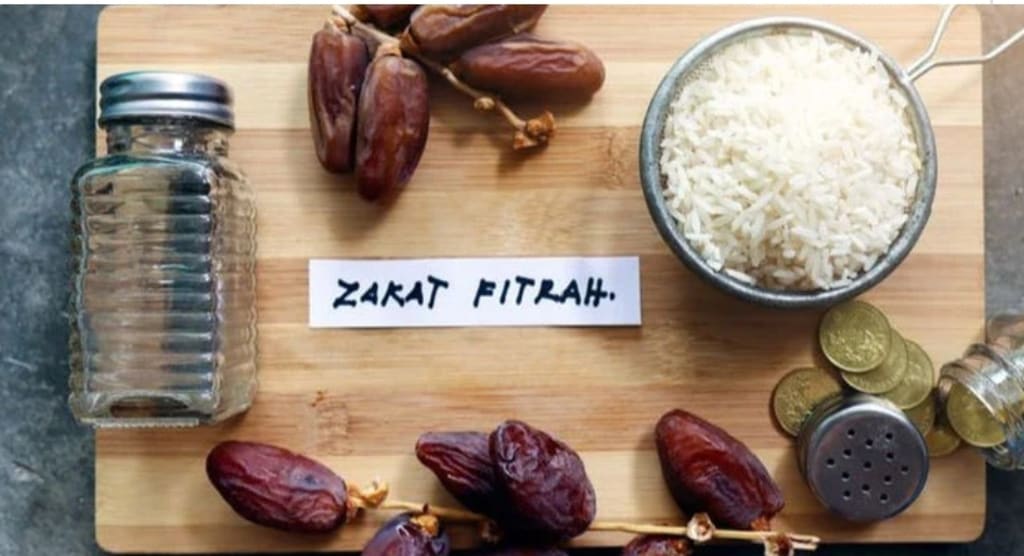
As the holy month of Ramadan approaches in 2026, the Government of Pakistan has officially announced the updated amounts for Sadqa-e-Fitr and Fidya, providing guidance to millions of Muslims across the country. These charitable obligations play a vital role in supporting underprivileged communities and promoting social solidarity during Ramadan. The announcement has once again highlighted the importance of compassion, generosity, and shared responsibility in Islamic society.
Each year, the government, in consultation with religious scholars and economic experts, reviews market conditions and food prices to determine fair and reasonable rates. The 2026 announcement reflects rising living costs and aims to ensure that donations remain meaningful and beneficial for those in need.
Understanding Sadqa-e-Fitr and Fidya
Sadqa-e-Fitr, also known as Zakat-ul-Fitr, is a compulsory charity that every financially capable Muslim must pay before offering Eid-ul-Fitr prayers. Its primary purpose is to purify fasting individuals from any shortcomings during Ramadan and to help poor families celebrate Eid with dignity.
Fidya, on the other hand, is paid by individuals who are unable to fast due to chronic illness, old age, or other valid reasons and cannot make up missed fasts later. Instead of fasting, they provide meals or money to needy people for each missed day.
Both forms of charity are deeply rooted in Islamic teachings and serve as practical expressions of empathy and social justice.
Official Announcement for Ramadan 2026
For Ramadan 2026, Pakistan’s Ministry of Religious Affairs, in coordination with the Council of Islamic Ideology and prominent scholars, has announced revised rates for Sadqa-e-Fitr and Fidya. These rates are based on staple food items commonly consumed in the country, such as wheat, barley, dates, raisins, and flour.
The government has emphasized that these rates represent the minimum required amount. Individuals who can afford to give more are encouraged to do so, as greater generosity brings greater reward and social impact.
The announcement was made through official channels, including press briefings, media statements, and mosque notices, ensuring that people from all regions are informed.
Factors Behind the Revised Amounts
Several economic and social factors influenced the updated rates for 2026.
First, inflation has continued to affect food prices across Pakistan. The rising cost of basic necessities such as flour, rice, cooking oil, and sugar has increased the financial burden on low-income families. To address this reality, the government adjusted the charity amounts accordingly.
Second, market surveys were conducted in major cities and rural areas to understand price variations. This helped authorities determine average costs and maintain fairness across different regions.
Third, religious scholars advised that charity amounts should reflect real purchasing power. If rates are too low, they fail to meet the needs of the poor. If too high, they may discourage participation. The 2026 rates aim to strike a balance between these two concerns.
Importance for Low-Income Communities
For millions of poor families in Pakistan, Sadqa-e-Fitr and Fidya serve as crucial sources of support during Ramadan and Eid. These contributions help them purchase food, clothes, and essential items, allowing them to participate in festive celebrations.
Many daily wage workers, widows, orphans, and unemployed individuals rely on these donations to survive periods of financial hardship. In times of economic uncertainty, such assistance becomes even more valuable.
Charitable funds are often distributed through mosques, welfare organizations, and community groups. Some institutions also provide food packages, ration bags, and cash assistance using these donations.
Role of Religious Institutions and Scholars
Religious leaders play an important role in educating people about their responsibilities during Ramadan. Imams and scholars regularly address congregations, explaining the rules and significance of Sadqa-e-Fitr and Fidya.
During Friday sermons and special Ramadan lectures, scholars emphasize timely payment, sincerity of intention, and fair distribution. They also encourage people to verify beneficiaries and support trustworthy organizations.
In 2026, many mosques and madrasas have introduced digital payment systems to make charity contributions easier and more transparent.
Impact of Digital Payments and Online Platforms
With the rapid growth of digital banking and mobile wallets in Pakistan, charity payments have become more convenient than ever. People can now donate Sadqa-e-Fitr and Fidya through apps, websites, and online portals.
Many reputable welfare organizations offer secure platforms where donors can select specific causes, such as food distribution, orphan care, or medical assistance. This has increased transparency and trust in the donation process.
The government has welcomed this trend, as it helps ensure that funds reach deserving recipients quickly and efficiently.
Public Response to the Announcement
The public response to the 2026 announcement has been largely positive. Many citizens appreciate the government’s effort to adjust rates according to economic realities. Social media platforms have been filled with discussions, reminders, and charity campaigns encouraging people to fulfill their obligations.
However, some citizens have expressed concerns about affordability, especially for large families with limited income. In response, religious scholars have reminded people that charity is obligatory only for those who meet the minimum financial threshold.
Community organizations have also stepped in to support struggling households by collecting donations and redistributing them fairly.
Encouraging a Culture of Generosity
Beyond mandatory charity, Ramadan is a time for voluntary giving as well. Many Pakistanis use this month to donate generously to hospitals, schools, disaster relief funds, and orphanages.
The government’s announcement serves as a reminder of the broader spirit of Ramadan: selflessness, patience, and kindness. Acts of charity strengthen social bonds and reduce inequality.
In 2026, several national campaigns have been launched to promote responsible and inclusive giving, urging citizens to prioritize transparency and long-term community development.
Challenges in Distribution
Despite improvements, challenges remain in ensuring fair distribution. In some areas, overlapping donations lead to unequal coverage, while other regions receive limited support.
To address this issue, authorities and NGOs are working on better coordination and data-sharing systems. Community leaders are also being trained to identify deserving families more accurately.
Efforts are being made to reduce duplication and ensure that no household is left behind during Ramadan.
Conclusion
The announcement of Sadqa-e-Fitr and Fidya amounts for Ramadan 2026 reflects Pakistan’s commitment to maintaining religious traditions while adapting to economic realities. These charitable obligations remain essential tools for promoting social welfare, dignity, and unity.
By following the updated guidelines, paying on time, and giving generously, Muslims across the country can help ease the hardships of vulnerable communities. In doing so, they uphold the true spirit of Ramadan—compassion, gratitude, and shared responsibility.
About the Creator
Rising from the Depths: Archaeologists Lift Massive Stones from the Legendary Lighthouse of Alexandria
The Lighthouse of Alexandria, also known as the Pharos of Alexandria, has fascinated historians and travelers for centuries. Built over 2,300 years ago, it was one of the Seven Wonders of the Ancient World, guiding sailors safely through the treacherous waters of the Mediterranean. Now, modern archaeology is uncovering parts of this legendary beacon in a way few could have imagined.
By Ayesha Lashari2 days ago in Earth
Five Remain Displaced After Roof Damaged in Storm
Five people remain displaced after a powerful storm tore through a residential neighborhood, severely damaging the roof of a family home and forcing emergency services to declare the property unsafe. The incident occurred late in the evening as heavy rain and strong winds swept across the area, leaving behind structural damage that residents say happened within minutes.
By Fiaz Ahmed 2 days ago in Earth



Comments
There are no comments for this story
Be the first to respond and start the conversation.