
Solar Users to Pay Full Electricity Unit Price Under Latest Net-Billing Rule
How the New Policy Is Reshaping Renewable Energy Adoption and Consumer Costs
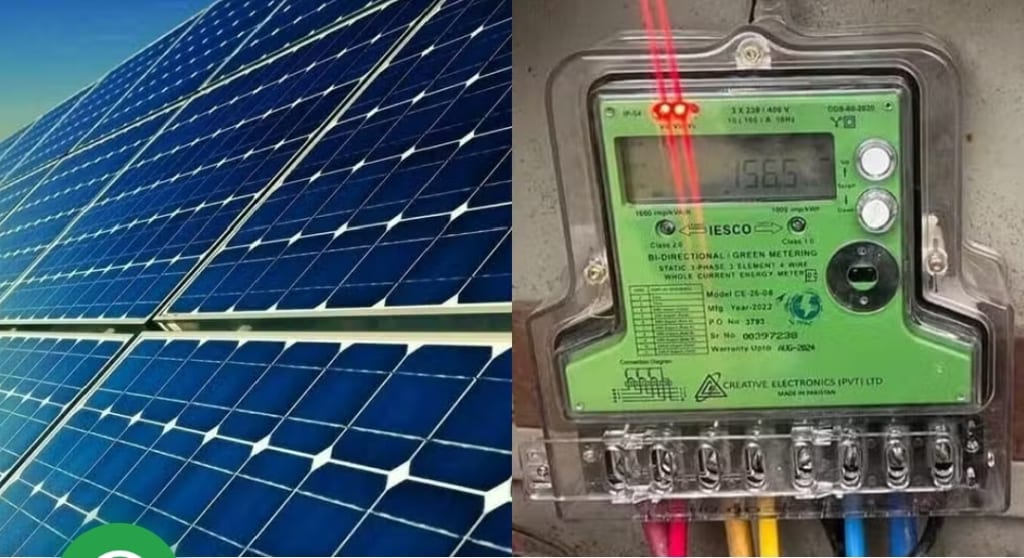
The global transition toward renewable energy has been gaining momentum over the past decade, with solar power playing a central role in this transformation. Millions of households and businesses have invested in rooftop solar panels to reduce electricity bills, lower carbon emissions, and gain partial independence from traditional power grids. However, recent changes in energy policies are beginning to reshape this landscape. Under the latest net-billing rule, solar users are now required to pay the full electricity unit price for power they consume from the grid, marking a significant shift in how solar energy is valued and compensated.
This new regulation has sparked widespread debate among consumers, energy experts, and environmental advocates. While policymakers argue that the rule promotes fairness and grid stability, critics believe it may discourage future investment in renewable energy. Understanding the implications of this change is essential for both current and prospective solar users.
Understanding Net-Billing and How It Works
To appreciate the impact of the new rule, it is important to first understand net-billing. Traditionally, many countries and regions followed a “net-metering” system. Under net-metering, solar users could send excess electricity generated by their panels back to the grid and receive credits at the same rate they paid for electricity. This system made solar installations financially attractive, as users could significantly offset their bills.
Net-billing, on the other hand, operates differently. Instead of receiving credits at the full retail rate, solar users are compensated for excess electricity at a lower, predetermined rate, often close to wholesale prices. Meanwhile, electricity consumed from the grid is charged at the standard retail price.
Under the latest rule, this distinction has become even more pronounced. Solar users must now pay the full unit price for all electricity they draw from the grid, regardless of how much power they contribute. This means the financial benefits of exporting surplus solar energy have been reduced.
Key Features of the New Net-Billing Rule
The updated policy introduces several important changes:
First, electricity consumed from the grid is billed at the regular market rate, with no special discounts for solar users. Even households that generate large amounts of solar power must pay the full price when relying on grid electricity at night or during cloudy weather.
Second, excess energy exported to the grid is compensated at a lower rate, often determined by utility companies or regulators. This rate is usually much lower than the retail price.
Third, fixed charges and grid maintenance fees may increase. Authorities argue that all users, including solar households, should contribute fairly to maintaining power infrastructure.
Together, these measures aim to balance the financial burden between solar and non-solar users.
Reasons Behind the Policy Change
Governments and utility providers have presented several justifications for introducing this rule.
One major reason is grid sustainability. Maintaining transmission lines, substations, and backup power systems requires substantial investment. As more people adopt solar energy, utilities receive less revenue under traditional net-metering systems, making it harder to fund infrastructure upgrades.
Another factor is fairness. Policymakers claim that under previous systems, non-solar users were indirectly subsidizing solar users. Since solar households paid lower bills, the cost of maintaining the grid was shifted to others. The new rule aims to distribute these costs more evenly.
Additionally, regulators believe that net-billing encourages responsible energy use. By paying full price for grid electricity, solar users may be more motivated to consume power efficiently and invest in energy storage solutions.
Impact on Solar Users
For existing solar users, the new rule may result in higher electricity bills, especially for those who rely heavily on the grid during evenings or winter months. While they still benefit from using their own solar power during the day, the reduced compensation for surplus energy means lower overall savings.
For new customers considering solar installations, the financial calculation has changed. The payback period for solar systems may now be longer, making some households hesitant to invest. In regions where installation costs are high, the reduced economic incentive could slow adoption.
However, users who combine solar panels with battery storage may experience fewer negative effects. By storing excess energy for later use, they can minimize reliance on the grid and avoid paying full unit prices.
Effects on the Renewable Energy Market
The new net-billing rule may have mixed consequences for the renewable energy industry.
On one hand, slower growth in rooftop solar installations could impact manufacturers, installers, and service providers. Smaller companies may face challenges as demand stabilizes or declines.
On the other hand, the policy could encourage innovation. Energy storage systems, smart meters, and home energy management technologies may become more popular. Companies focusing on batteries and efficiency solutions are likely to benefit.
Moreover, large-scale solar farms and community solar projects may gain importance, as individual households find rooftop systems less profitable.
Environmental Implications
From an environmental perspective, critics argue that the policy may hinder climate goals. If fewer people invest in solar energy, fossil fuel consumption could remain higher for longer periods. This would slow progress toward reducing greenhouse gas emissions.
Supporters, however, maintain that stable grid financing ensures reliable integration of renewable energy. They argue that long-term sustainability requires balanced policies that support both clean energy and infrastructure development.
Public Response and Criticism
The announcement of the new rule has generated strong reactions. Many solar users feel that their investments are being undermined after years of government encouragement. Some consumer groups have called for transitional arrangements to protect existing users.
Environmental organizations have also expressed concern, warning that reduced incentives may weaken public trust in renewable energy policies.
In response, some governments have introduced temporary subsidies, tax credits, or low-interest loans to soften the impact and maintain momentum in the solar sector.
The Future of Solar Energy Under Net-Billing
Despite the challenges, solar energy remains a vital part of the global energy transition. Technological advancements continue to reduce installation costs and improve efficiency. Over time, cheaper batteries and smarter grids may offset the effects of the new billing structure.
Consumers are also becoming more energy-aware. Many are adjusting usage patterns, running appliances during daylight hours to maximize self-consumption. Such behavioral changes can help maintain savings under the new system.
Policymakers are expected to review and refine net-billing rules as market conditions evolve. Balancing affordability, sustainability, and innovation will remain a key priority.
Conclusion
The latest net-billing rule, which requires solar users to pay the full electricity unit price for grid consumption, represents a major shift in renewable energy policy. While it aims to promote fairness and financial stability, it also reduces the economic appeal of rooftop solar systems.
For consumers, the new reality demands careful planning, efficient energy use, and greater interest in storage solutions. For governments and utilities, it highlights the need to support clean energy without compromising infrastructure.
Ultimately, the future of solar energy will depend on how effectively policymakers, industry leaders, and consumers adapt to these changing rules. With the right balance, solar power can continue to play a central role in building a sustainable and resilient energy system.
About the Creator
Death On Death
A petrol sheen glimmered on the water’s surface, where all the ripples of my units passage through the dead swamp had long since dissipated. It was deep as my calves, but like most water it was such a murky, toxic brown I couldn’t see the bottom. It stank more than most, though, like ammonia and chlorine.
By I. D. Reevesa day ago in Earth




Comments
There are no comments for this story
Be the first to respond and start the conversation.